8 Steps to a House Renovation Design and Plan
Get a clear house renovation design and plan with these 8 practical steps. Learn how to organize your project, set a budget, and avoid common mistakes.
|
March 13, 2026
In this article:
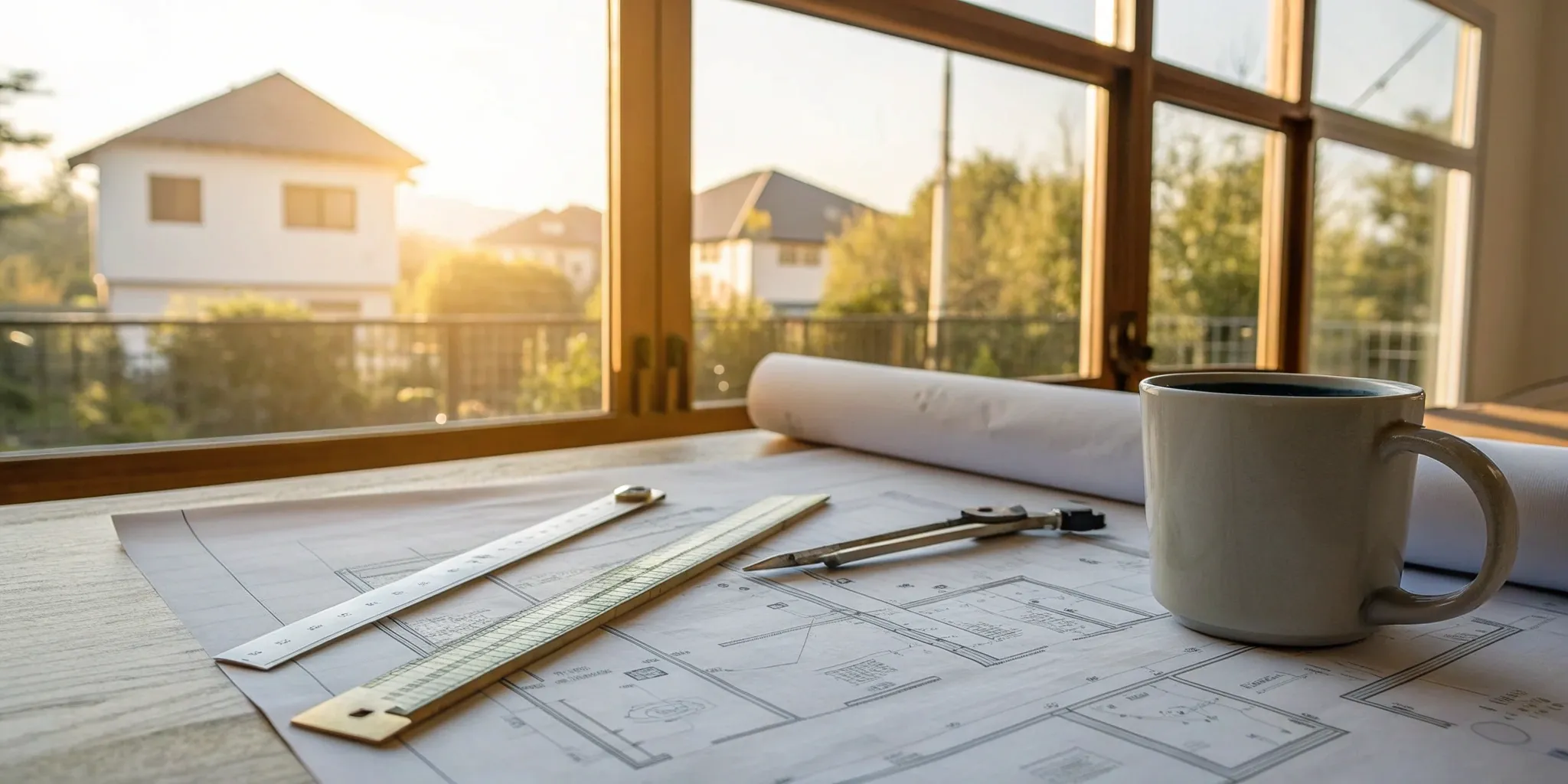
Knowing where to start is often the hardest part of any renovation. Do you find a contractor first, or create a design? How do you set a budget before you know what things cost? These questions can stop a project in its tracks. The key is to follow a logical sequence of steps that builds momentum and clarity. A great house renovation design and plan doesn’t happen all at once; it’s created through a series of deliberate stages, from defining your goals to finalizing material selections. We’ve broken down this complex process into a clear, step-by-step guide to help you get started.
Key Takeaways
- A solid plan is your best tool: Before any work begins, create a detailed plan that defines your goals, sets a realistic budget with a contingency fund, and maps out a practical timeline. This upfront effort is the single best way to prevent stress and costly mistakes down the road.
- Build the right team and communicate clearly: Your renovation is only as good as the people who build it. Take the time to hire vetted professionals you trust, and then establish a consistent rhythm for communication to ensure your vision is executed correctly from start to finish.
- Make smart choices that add lasting value: Focus your investment on high-impact areas like kitchens and bathrooms, choose durable, timeless materials for permanent fixtures, and balance your personal style with broad appeal. This approach creates a home you love that is also a sound financial asset.
Where to Start: Your Renovation Game Plan
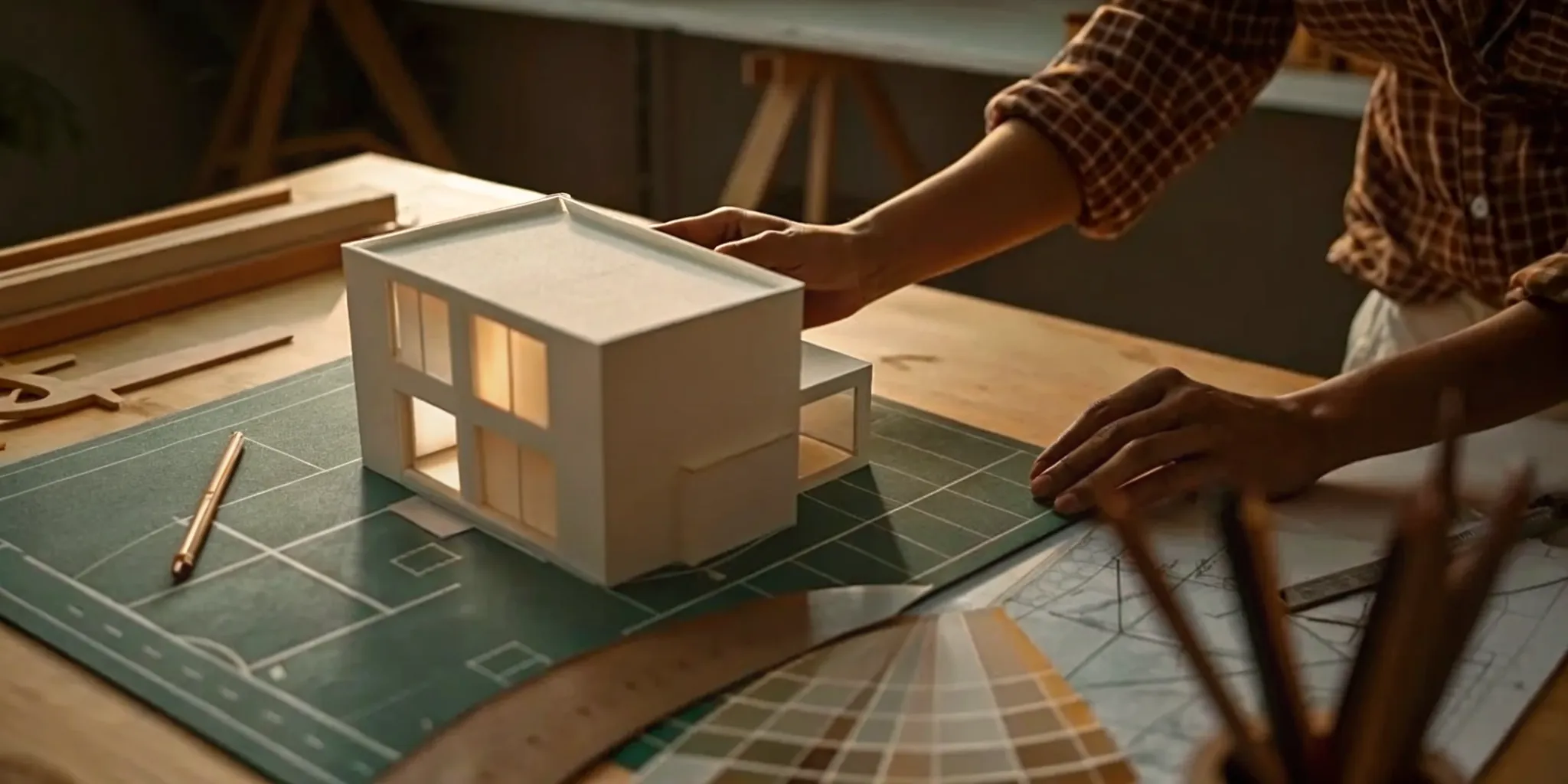
A successful renovation doesn’t start with a sledgehammer; it starts with a solid plan. Before you even think about paint colors or new appliances, taking the time to map out your project will save you from headaches, budget overruns, and delays down the road. Think of this as creating the blueprint for your dream home. It’s the essential first step that ensures everyone involved, from you to your contractor, is working toward the same goal. A clear game plan turns a chaotic process into a series of manageable steps. This initial phase is all about asking the right questions and getting organized, which is exactly how Realm’s process helps homeowners start on the right foot. By defining your vision, setting a practical timeline, understanding local regulations, and assembling a trustworthy team, you build a strong foundation for the entire project. This upfront work might feel slow, but it's the smartest investment you can make in your home and your sanity.
Define Your Goals and Vision
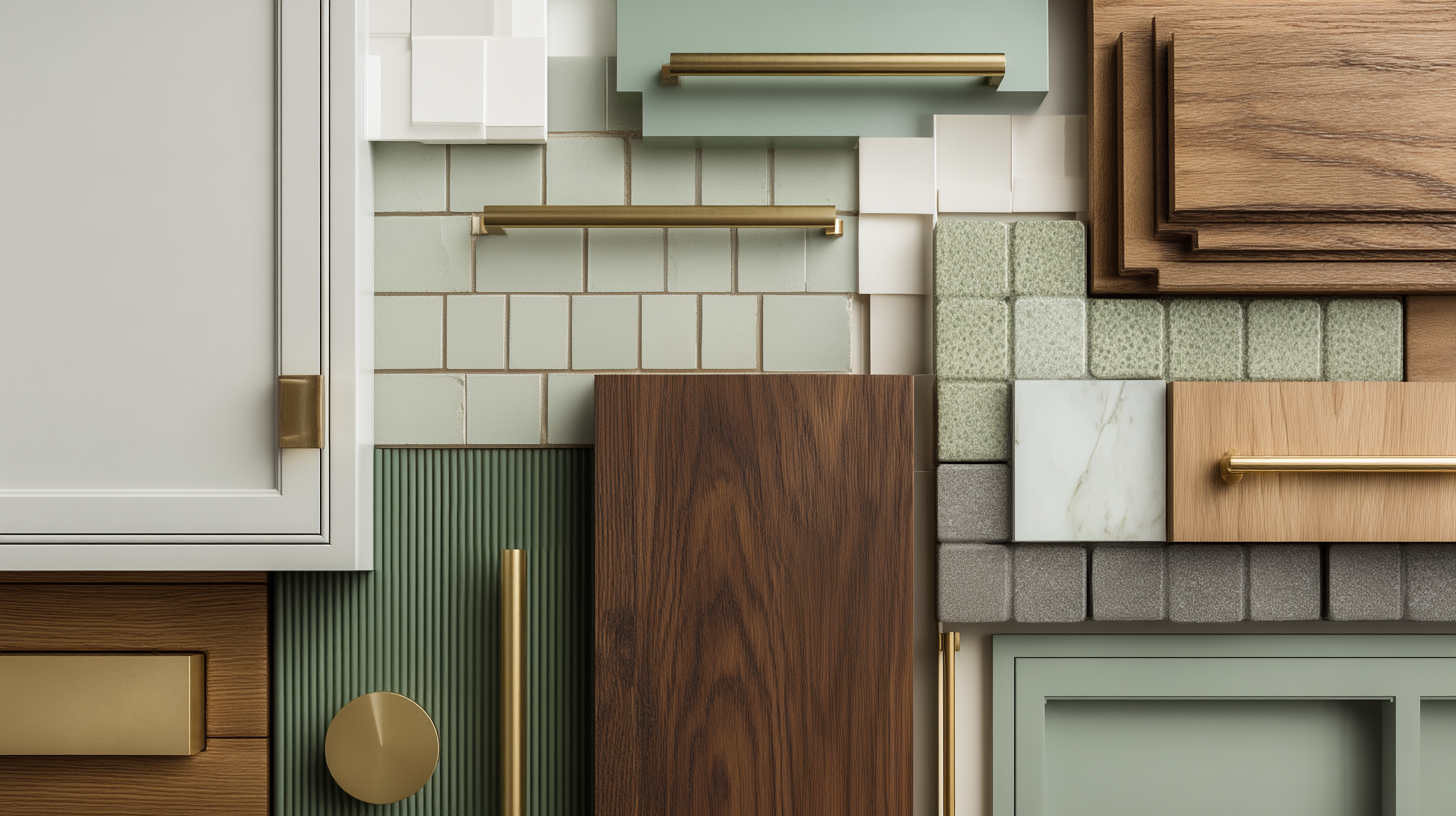
First things first: get clear on what you want to achieve. Why are you renovating? Are you trying to create a more functional kitchen for your growing family, add a home office, or update a dated bathroom to increase your home’s value? Before you get lost in design details, think about your goals for the space. Make a list of your must-haves and your nice-to-haves. This simple exercise will help you prioritize when making budget decisions later. Creating a mood board on Pinterest or tearing pages from magazines can also help you visualize the style and feel you’re going for. This vision will become your North Star, guiding every decision you make throughout the renovation.
Set a Realistic Timeline
It’s easy to underestimate how long a renovation can take. A realistic timeline is one of the most important tools for managing your own expectations and keeping the project on track. Remember to account for every phase, not just the construction itself. This includes the initial planning, hiring professionals, waiting for permit approvals, and ordering materials, which can sometimes have long lead times. Discussing timelines upfront with potential contractors will give you a much clearer picture. Be sure to build in a buffer for unexpected surprises, because they almost always happen. A little flexibility will go a long way in keeping your stress levels down.
Research Local Permits and Rules
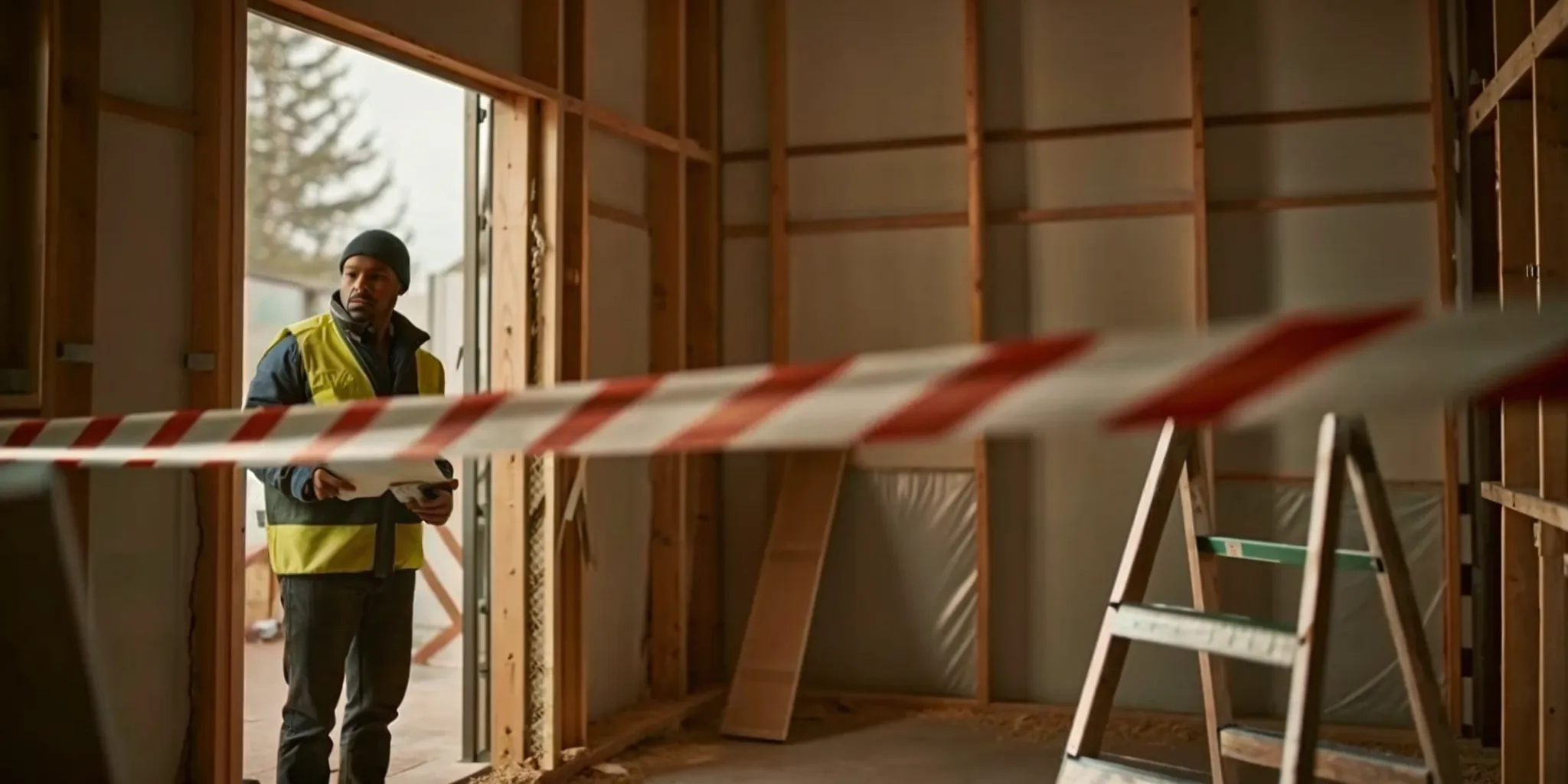
This might not be the most glamorous part of planning, but it’s one of the most important. Nearly every city and county has its own set of building codes and permit requirements for home renovations. These rules are in place to ensure the work is done safely and correctly. Some projects might require a licensed professional, and your contractor will typically handle the permit applications and inspections. However, it’s smart to have a basic understanding of what your project will require. Ignoring these regulations can lead to fines, project delays, or even having to tear out completed work. This is an area where having an expert advisor can be a huge help.
Build Your Renovation Team
Your renovation will only be as good as the people who bring it to life. Assembling the right team of professionals is critical. You’ll want to find a contractor who is licensed, insured, and has a portfolio of work similar to your project’s scope. Don’t just go with the lowest bid; check references and read reviews to get a sense of their reliability and craftsmanship. More importantly, find people you can communicate with effectively. You’ll be working closely with your team for weeks or months, so a good rapport is essential. A strong team that understands your vision will be your greatest asset in turning that vision into a reality.
How to Create a Realistic Renovation Budget
A solid budget is the foundation of a smooth renovation. It’s about making informed decisions that align your dream space with your financial reality. Getting this right from the start prevents stress and surprise expenses down the road.
Assess Your Finances
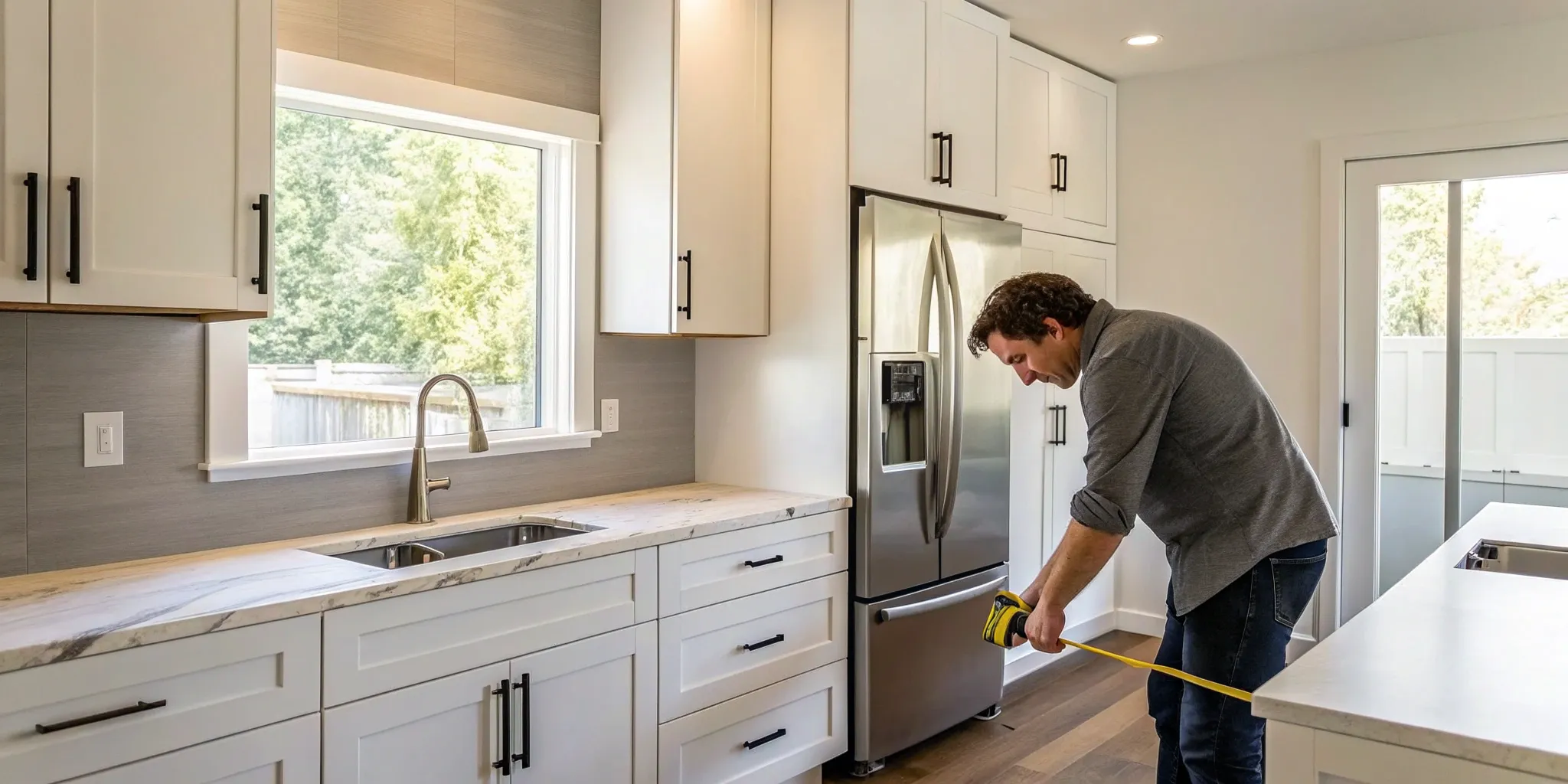
Okay, let's talk money. One of the biggest renovation mistakes is underestimating a project's true cost. Before you start pinning your dream kitchen, take an honest look at your finances. How much cash do you have saved, and what are you comfortable spending? This isn't about limiting your vision, but grounding it in reality. Knowing your maximum budget helps you and your team make smart choices from day one.
Break Down the Costs
A single, giant number for your renovation can feel overwhelming. The best way to get a handle on it is to break it down. Start by prioritizing your wish list into must-haves and nice-to-haves. From there, itemize everything into categories like labor, materials, permits, and fixtures. This detailed view shows exactly where your money is going, making it easier to spot potential savings. A customized plan can make this process much clearer.
Plan for the Unexpected
If there’s one rule in renovating, it’s this: expect the unexpected. Surprises often pop up, especially in older homes, like finding outdated wiring behind a wall. That’s why a contingency fund is non-negotiable. This is a separate pot of money, typically 10% to 20% of your total project cost, set aside for these unforeseen expenses. Think of it as your project’s safety net. It provides peace of mind and prevents a small surprise from derailing your budget.
Explore Your Financing Options
Not everyone has the cash on hand to fund a major renovation. For larger-scale remodels, many homeowners explore financing through a home equity line of credit (HELOC) or a home equity loan. These options often come with lower interest rates than personal loans because they use your home as collateral. Speak with your bank or a financial advisor to find the right fit for your situation. Researching your options early ensures you have the funds ready when you need them.
Designing a Layout That Works for You
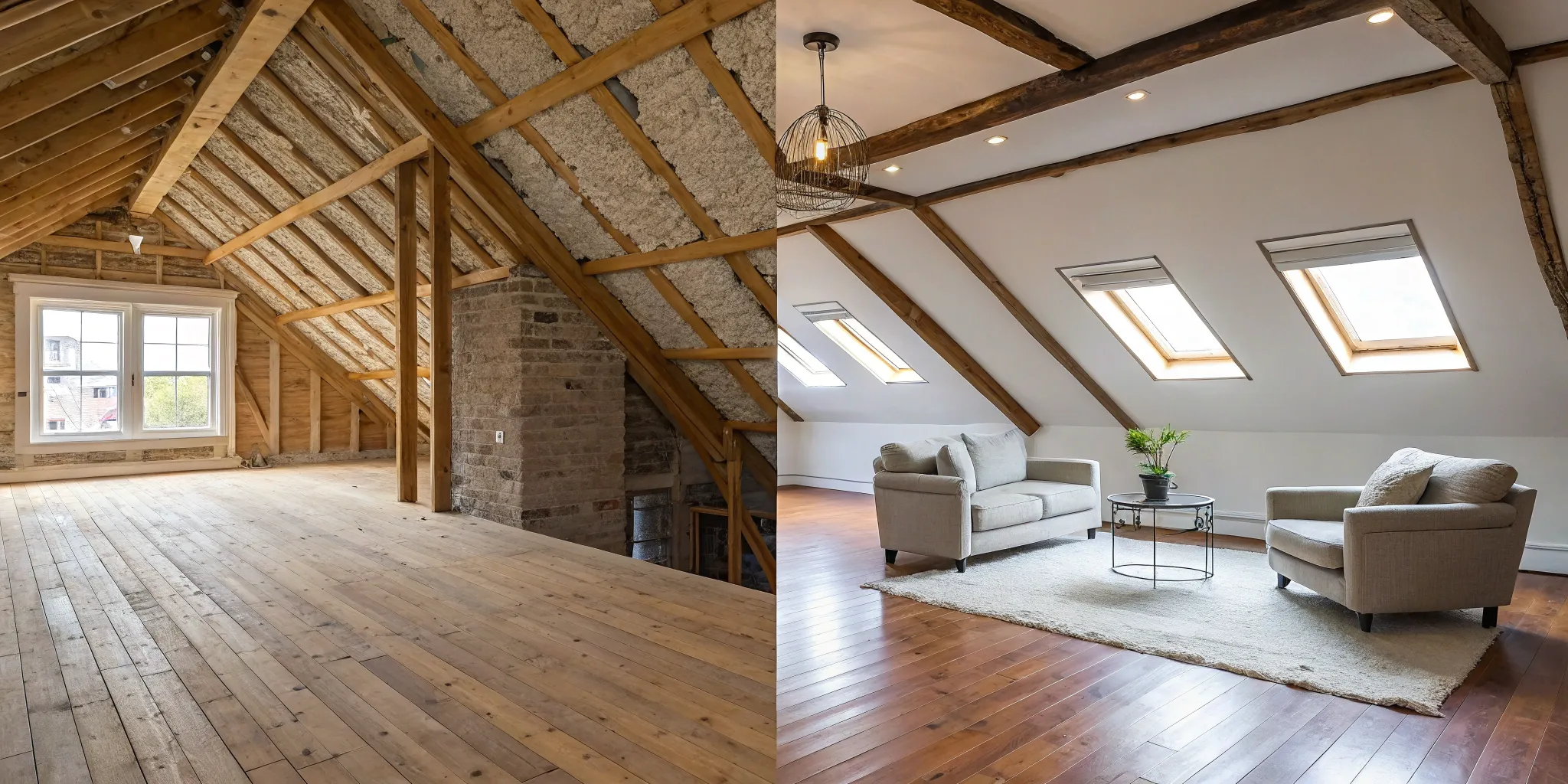
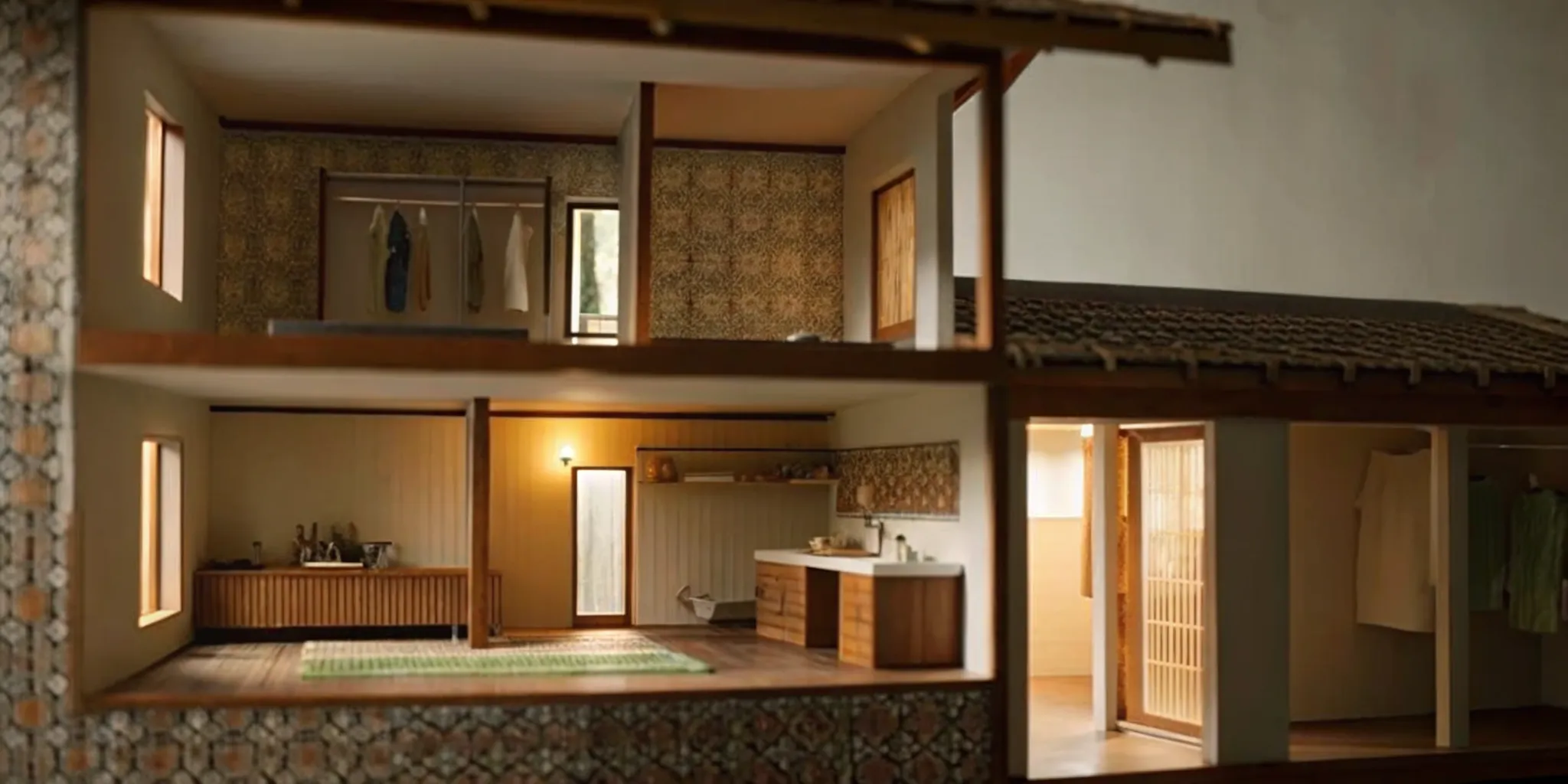
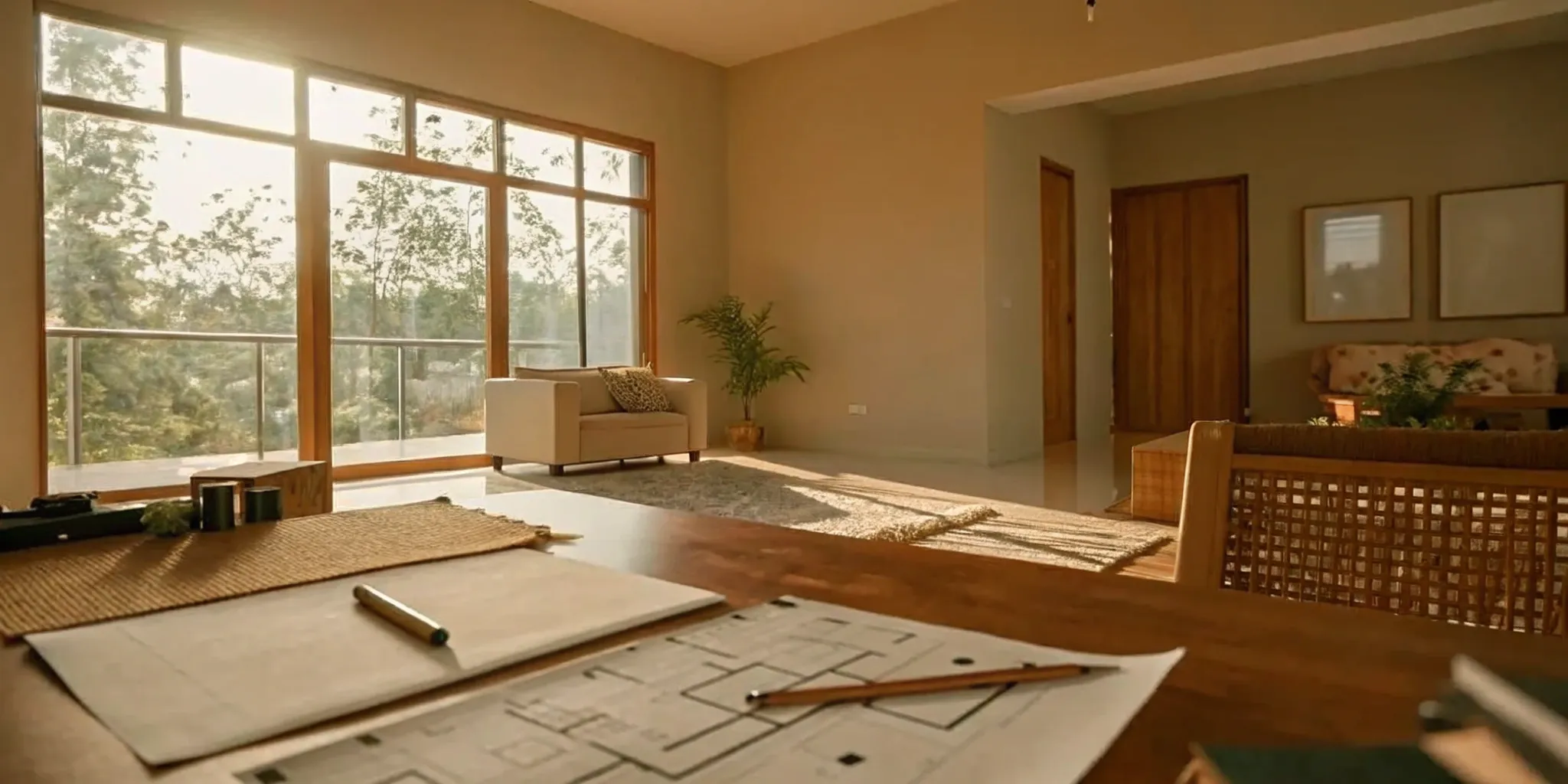
A successful renovation goes beyond fresh paint and new fixtures. The real magic happens when you create a layout that truly supports the way you live. Your home's floor plan is its foundation, dictating how you move, interact, and feel in your space every day. A thoughtful layout can make a small home feel spacious, improve natural light, and create a seamless flow between rooms. It’s the difference between a kitchen where everyone gathers comfortably and one where you’re constantly bumping into each other. It’s about creating dedicated zones for work, relaxation, and family time that feel distinct yet connected.
Before you even think about knocking down walls, it’s essential to map out a design that is both beautiful and perfectly functional for your unique needs. This is your chance to solve those daily annoyances, like a lack of storage or a poorly placed laundry room, and build a home that works for you, not against you. Thinking through your layout is the most critical investment you can make in your project. It ensures that your final space not only looks incredible but also enhances your daily life in meaningful ways. This planning phase sets the stage for a home that you’ll love for years.
Analyze Your Current Lifestyle
First, take a close look at your daily routines. Think about what works in your current layout and what drives you crazy. Where does the mail pile up? Is the kitchen too cramped when you have guests? Do you wish you had a quiet corner to work from home? Before you can design a better space, you need to understand your goals and identify which parts of your home are flexible and which are fixed. A great way to start is by walking through your home and making a list of pain points and wishes for each room. This practical assessment is the first step toward a design that genuinely improves your quality of life.
Optimize Your Home's Flow
A home's "flow" is all about how easily you can move from one area to another. Poor flow creates bottlenecks, like a cramped hallway or an awkwardly placed island that everyone has to squeeze past. A great renovation can fix these issues. Sometimes, moving a wall just a few feet can completely transform a primary suite by allowing for a more spacious bathroom. Even when you can't change major elements like window locations, a new layout can make them feel more intentional. Your goal is to create clear, intuitive pathways that make your home feel open and effortless to live in. A dedicated advisor can help you see possibilities you might have missed.
Balance Style with Practicality
It’s easy to get swept up in beautiful design inspiration, but your layout needs to be as practical as it is stylish. Think about the realities of your life. If you have young kids or pets, durable, easy-to-clean surfaces might be more important than a high-maintenance material you saw in a magazine. This is also where clear communication with your contractor becomes critical. You need to ensure your aesthetic vision can be executed well within your budget and timeline. A successful project happens when your design dreams are grounded in the practical details of construction, ensuring the final result is both beautiful and built to last.
Plan for Future Changes
Life is always evolving, and your home should be able to adapt with you. When planning your layout, think about your long-term needs. Could that home office one day become a nursery? Do you need to consider accessibility features for aging in place down the road? Since most of us don't have an unlimited budget, you’ll need to prioritize your projects. Focus on changes that offer the most impact now while keeping future possibilities open. Designing flexible spaces, like a bonus room with multiple potential uses or incorporating ample storage, will ensure your home continues to serve you well for years to come.
Common Renovation Mistakes (and How to Avoid Them)
A home renovation is an exciting process, but it’s also complex, with plenty of opportunities for things to go sideways. Even the most carefully planned projects can hit a snag. The difference between a minor hiccup and a major disaster often comes down to foresight. Knowing the common pitfalls before you begin is the best way to protect your investment and your peace of mind. By avoiding these frequent mistakes, you can ensure your project stays on track and results in a transformation you’ll love for years to come.
Skipping the Detailed Plan
Jumping into a renovation without a detailed plan is like starting a road trip without a map. You might have a destination in mind, but you’re likely to get lost, waste time, and spend more money than you intended. One of the biggest renovation mistakes is underestimating the true scope and cost of a project. A comprehensive plan should outline everything from the exact layout changes and material selections to the project timeline and payment schedule. This document serves as a critical guide for you and your contractor, ensuring everyone is aligned on the vision and expectations from day one. A dedicated advisor can help you build this roadmap, making sure no detail is overlooked.
Underestimating Time and Money
It’s a classic renovation story: a project that was supposed to take three weeks is now entering its third month, and the budget is a distant memory. Optimism is great, but realism is essential for a successful renovation. Always build a contingency fund of at least 15% to 20% into your budget to cover unexpected issues, like finding old wiring that needs replacing or deciding on a last-minute upgrade. Similarly, be realistic about your timeline. Delays can happen due to supply chain issues, permit approvals, or unforeseen complications. Having a clear project plan with built-in buffer time will help you manage stress and make better decisions when surprises pop up.
Ignoring Building Codes
Dealing with permits and building codes can feel like a hassle, but ignoring them is a recipe for disaster. These regulations exist to ensure your home is safe, structurally sound, and meets local standards. Failing to get the proper permits can lead to hefty fines, orders to tear out completed work, and major problems when you eventually decide to sell your home. Before any demolition begins, work with your contractor to understand which permits are required for your project. A good general contractor will handle the submission process for you, but it’s your responsibility as the homeowner to ensure it gets done.
Not Vetting Your Contractor
The contractor you hire can make or break your renovation experience. A common mistake is hiring the first person you talk to or simply choosing the cheapest bid without doing any research. It’s crucial to thoroughly vet any professional you bring into your home. Start by checking for proper licensing and insurance. Ask for a list of recent references and take the time to call them to ask about their experience. Reviewing a contractor’s portfolio will also give you a sense of their quality and style. Using a service with a network of vetted contractors can save you time and provide confidence that you’re working with a true professional.
Communicating Poorly with Your Team
Clear and consistent communication is the glue that holds a renovation project together. Misunderstandings between you and your contractor can lead to costly errors and frustrating delays. Before the project starts, establish how you’ll communicate. Will you have a weekly check-in call? Do they prefer texts or emails for questions? Whatever you decide, stick to it and make sure to put any significant changes or decisions in writing. Effective communication is a two-way street, so be prepared to answer questions promptly and provide clear feedback. This collaborative approach ensures your vision is executed correctly and the entire process runs more smoothly.
Choosing Design Styles and Features
This is where your renovation plan really comes to life. Choosing the styles, features, and finishes for your home is exciting, but it’s also about making smart decisions that blend your personal taste with long-term value. Think about how you want your space to feel and function, not just today, but for years to come. The right choices will create a home you love while also being a sound financial investment.
Add Value with Timeless Elements
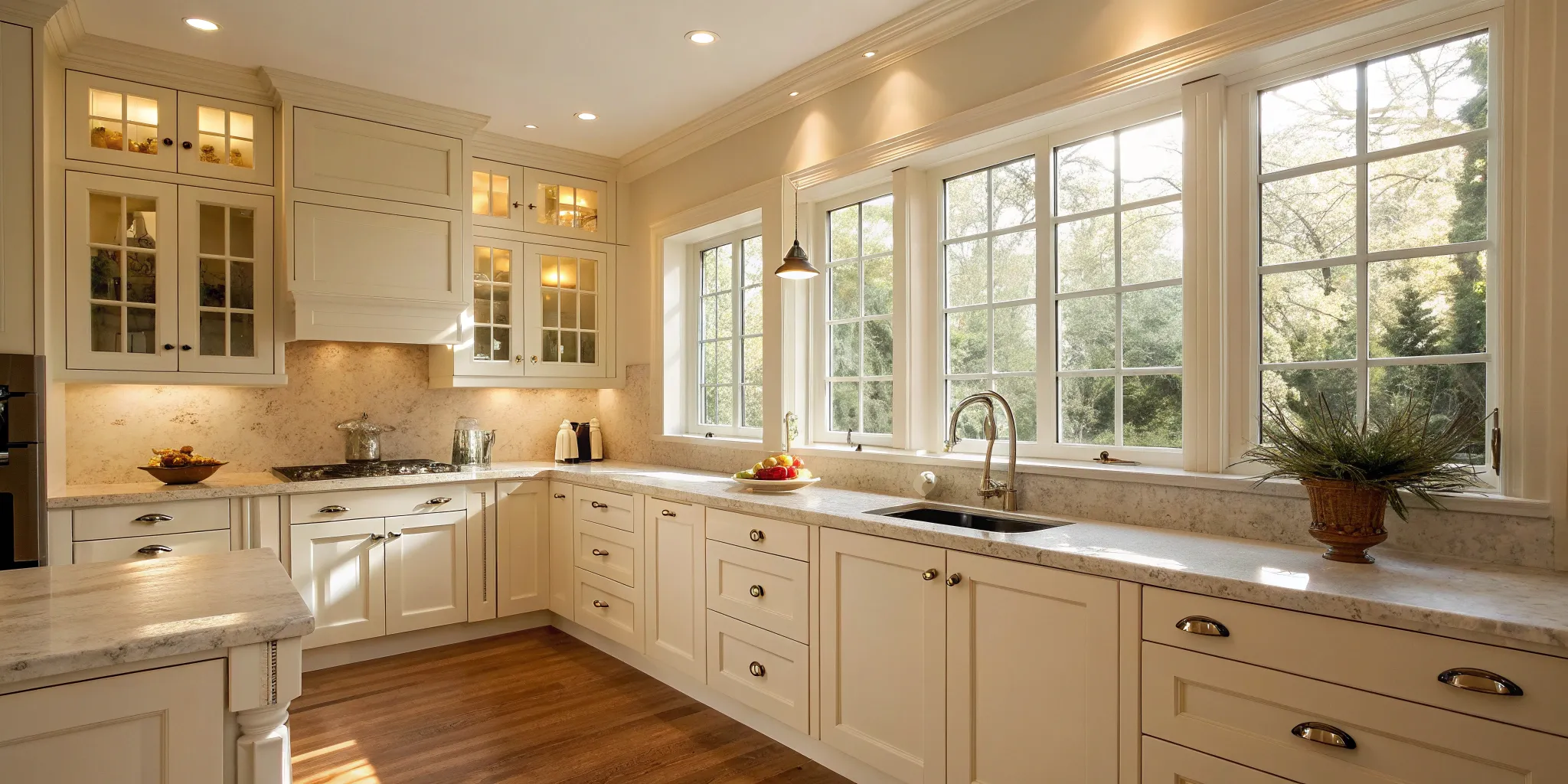
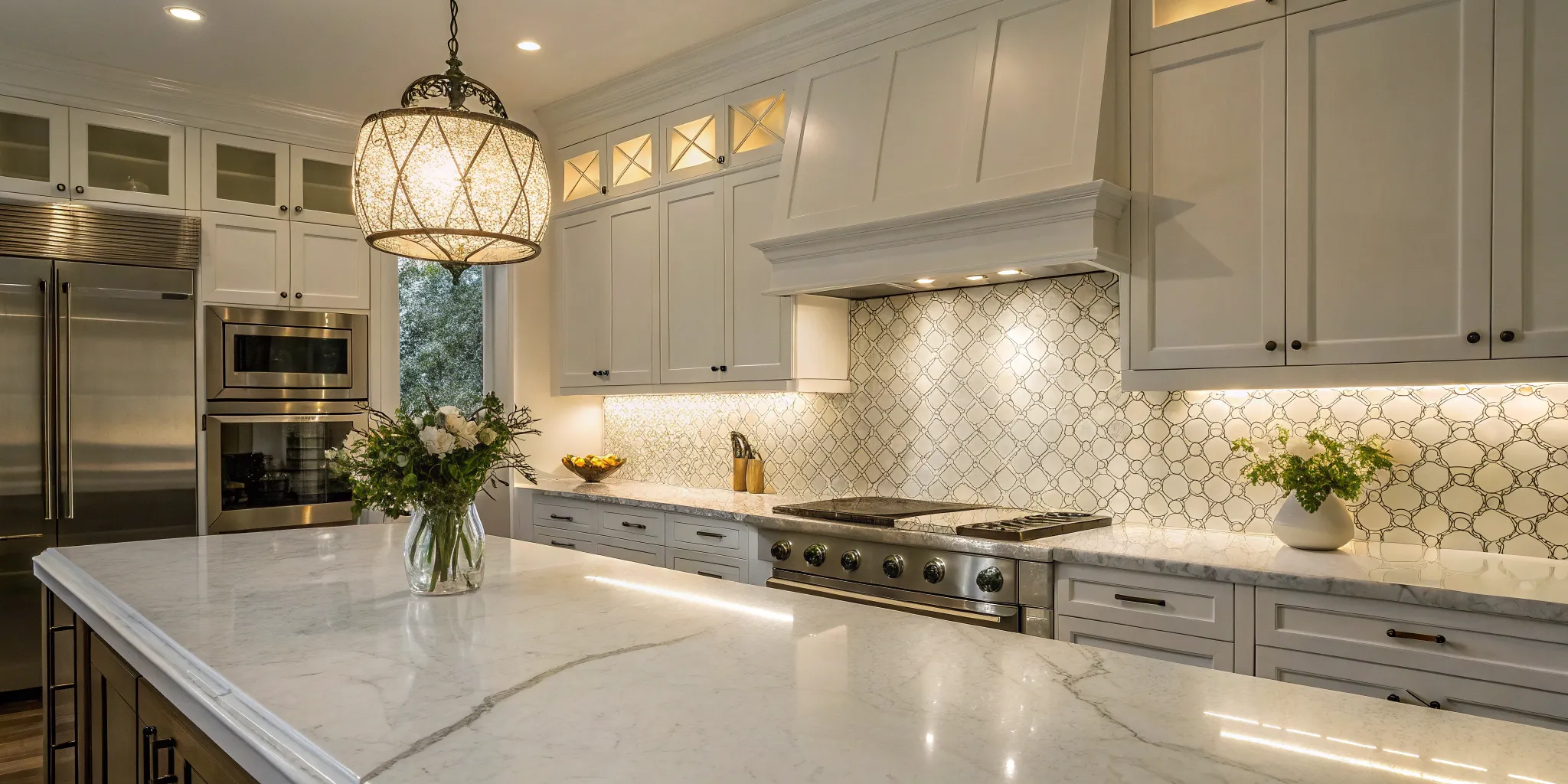
Trends come and go, but timeless design always feels right. Opting for classic elements is a great way to ensure your renovation adds lasting value. In the kitchen, for example, this could mean choosing durable quartz countertops, simple Shaker-style cabinets, or a classic subway tile backsplash. These features appeal to a wide range of tastes and won't look dated in a few years. The goal is to create a beautiful, functional backdrop that you can easily update with more trend-focused decor, like paint colors or light fixtures, as your style evolves over time.
Explore Modern and Contemporary Looks
If you love clean lines, open spaces, and a minimalist feel, a modern or contemporary design might be perfect for you. These styles emphasize simplicity, neutral color palettes, and natural light. To achieve this look, clear communication with your renovation team is essential. A simple design often requires precise execution. Creating a detailed mood board with inspiration photos can help you articulate your vision and ensure your contractor understands exactly what you want. Your Realm advisor can also help translate your ideas into actionable plans for the build team.
Go Green with Sustainable Features
Incorporating sustainable features into your renovation is a smart move for both the planet and your wallet. Energy-efficient upgrades can significantly lower your utility bills and increase your home's value. Consider installing high-performance windows, adding insulation, or upgrading to an energy-efficient HVAC system. You can also choose sustainable materials like bamboo flooring or recycled glass countertops. Even small changes, such as installing low-flow faucets and toilets, contribute to a healthier, more eco-friendly home. These green choices are an investment that pays off in comfort and long-term savings.
Integrate Smart Home Technology
Smart home technology is no longer a futuristic luxury; it’s becoming a standard feature that adds convenience and security to everyday life. From smart thermostats that learn your schedule to automated lighting and integrated security systems, there are endless options to consider. The key is to plan for this technology from the beginning of your renovation. Integrating these systems often requires specific wiring and placement, so discussing your goals with your designer and contractor early on is crucial. A vetted professional can help ensure everything is installed correctly for a seamless, user-friendly experience.
Creating Detailed Plans and Communicating Your Vision
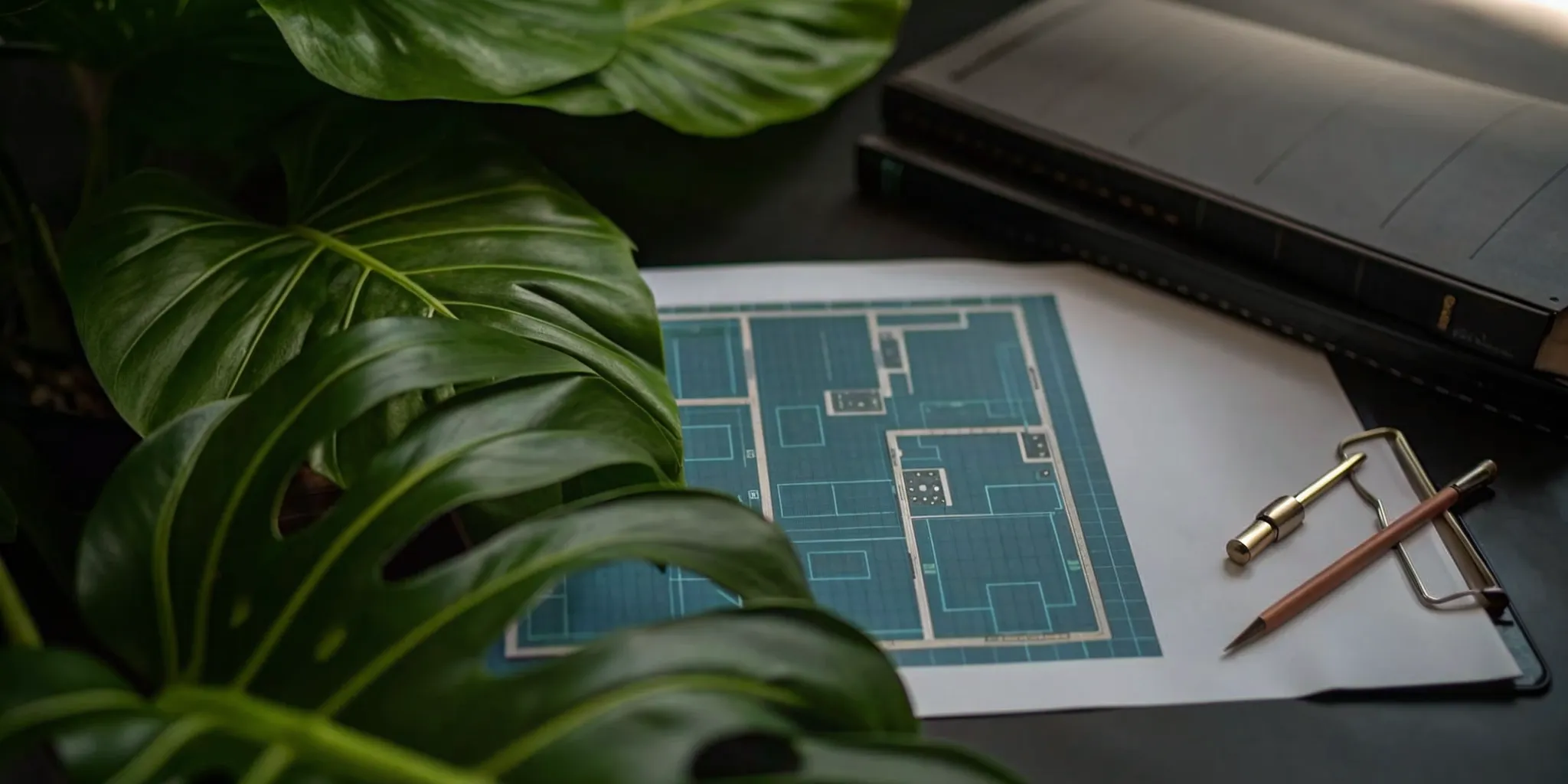
With your goals defined and your team assembled, it’s time to translate your vision into a concrete plan. This is where the details come to life, from wall placements to faucet finishes. Clear, detailed plans are your project’s roadmap, and strong communication is the fuel that keeps everything moving in the right direction. Getting this step right prevents misunderstandings, costly changes, and delays down the line, ensuring the final result is exactly what you imagined.
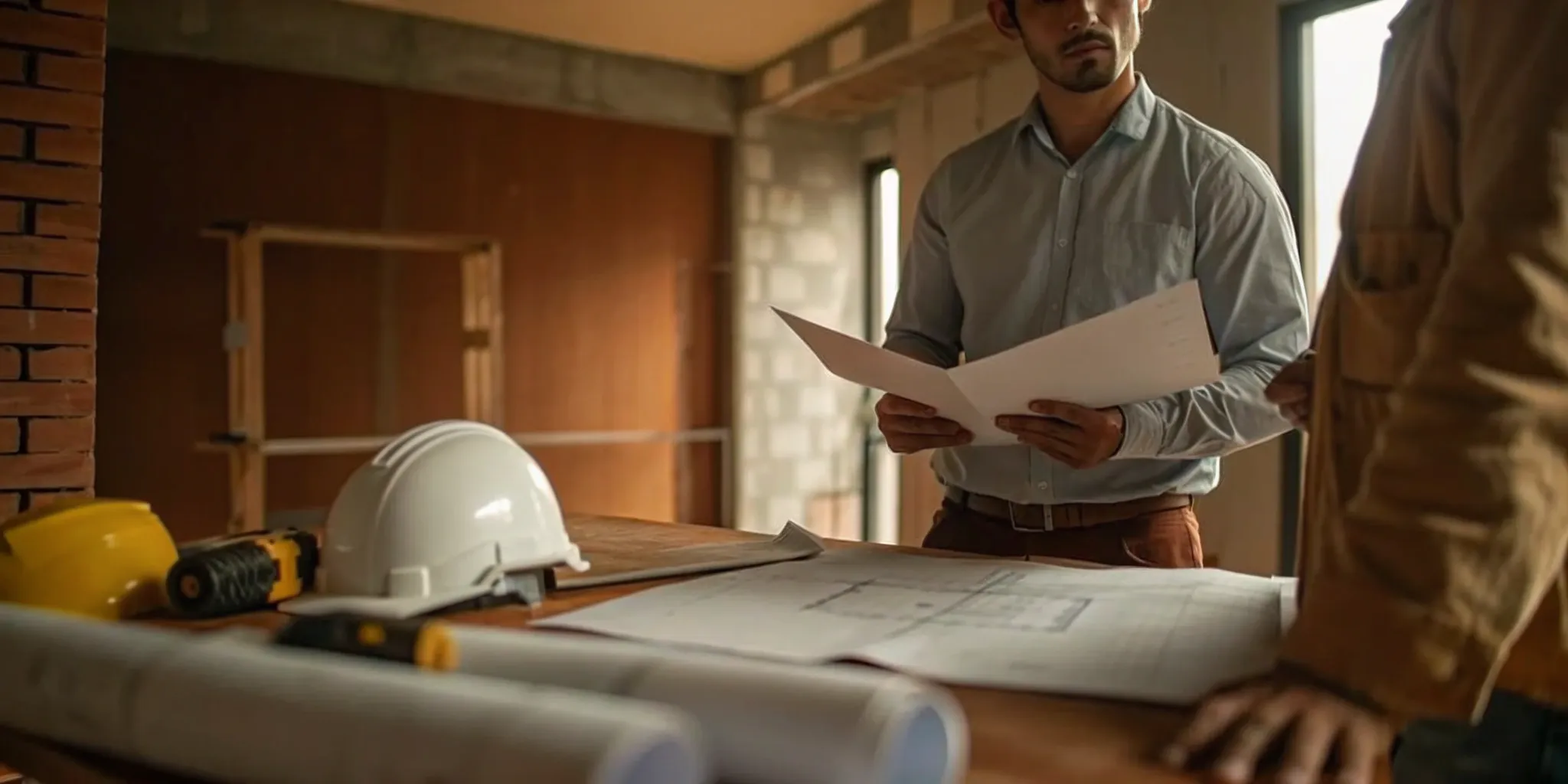
Work with Architects and Designers
Your architect and designer are your partners in turning ideas into reality. Effective communication with your renovation team is the foundation for achieving your dream results. From the very beginning, establish a clear rhythm for updates. Will you connect daily via text, have a weekly phone call, or use a project management app? Discuss with your general contractor how updates will be shared and agree on a method for addressing questions. A dedicated project advisor can be invaluable here, acting as a central point of contact to ensure nothing gets lost in translation between you and your build team.
Understand Structural Requirements
Before you get attached to the idea of knocking down a wall, it’s essential to understand your home’s structural bones. Every house has elements that can be changed, like non-load-bearing walls, and parts that cannot, like foundational supports or main plumbing stacks. An experienced contractor or structural engineer will help you identify these critical components early in the planning process. Knowing your home’s limitations from the start allows you to design a new layout that is both beautiful and structurally sound, saving you from potential headaches and budget overruns later on.
Plan for Electrical, Plumbing, and HVAC
The systems hidden behind your walls, like wiring, pipes, and ductwork, are the unsung heroes of a comfortable home. The best time to address these is when the walls are open, before insulation and drywall go up. Your contractor will map out the new electrical, plumbing, and HVAC runs based on your new layout. This includes planning for everything from recessed lighting and outlet placements to new sink locations and thermostat wiring. Your contractor typically handles the necessary permits and inspections for this work, ensuring everything is up to code for safety and function.
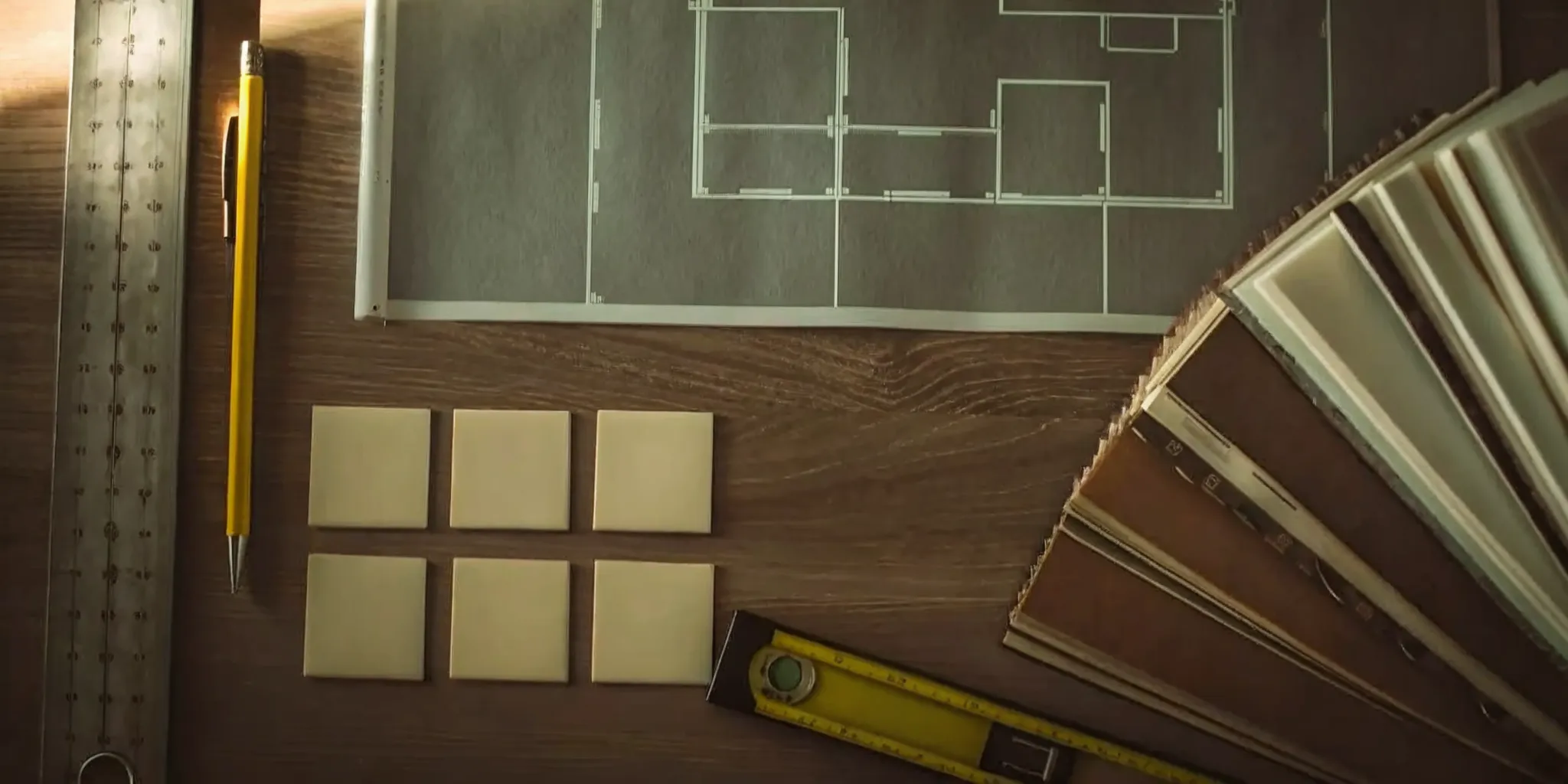
Select Your Materials and Finishes
Choosing your materials and finishes is one of the most exciting parts of a renovation, but it’s also where decisions can feel overwhelming. Try to finalize these selections before construction begins. Knowing your exact flooring, tile, countertops, and fixtures allows your contractor to create a more accurate budget and timeline. It prevents delays caused by backordered items or indecision mid-project. Create a detailed list or spreadsheet with every finish, from the paint colors to the cabinet hardware. This document will become an essential reference for you and your team.
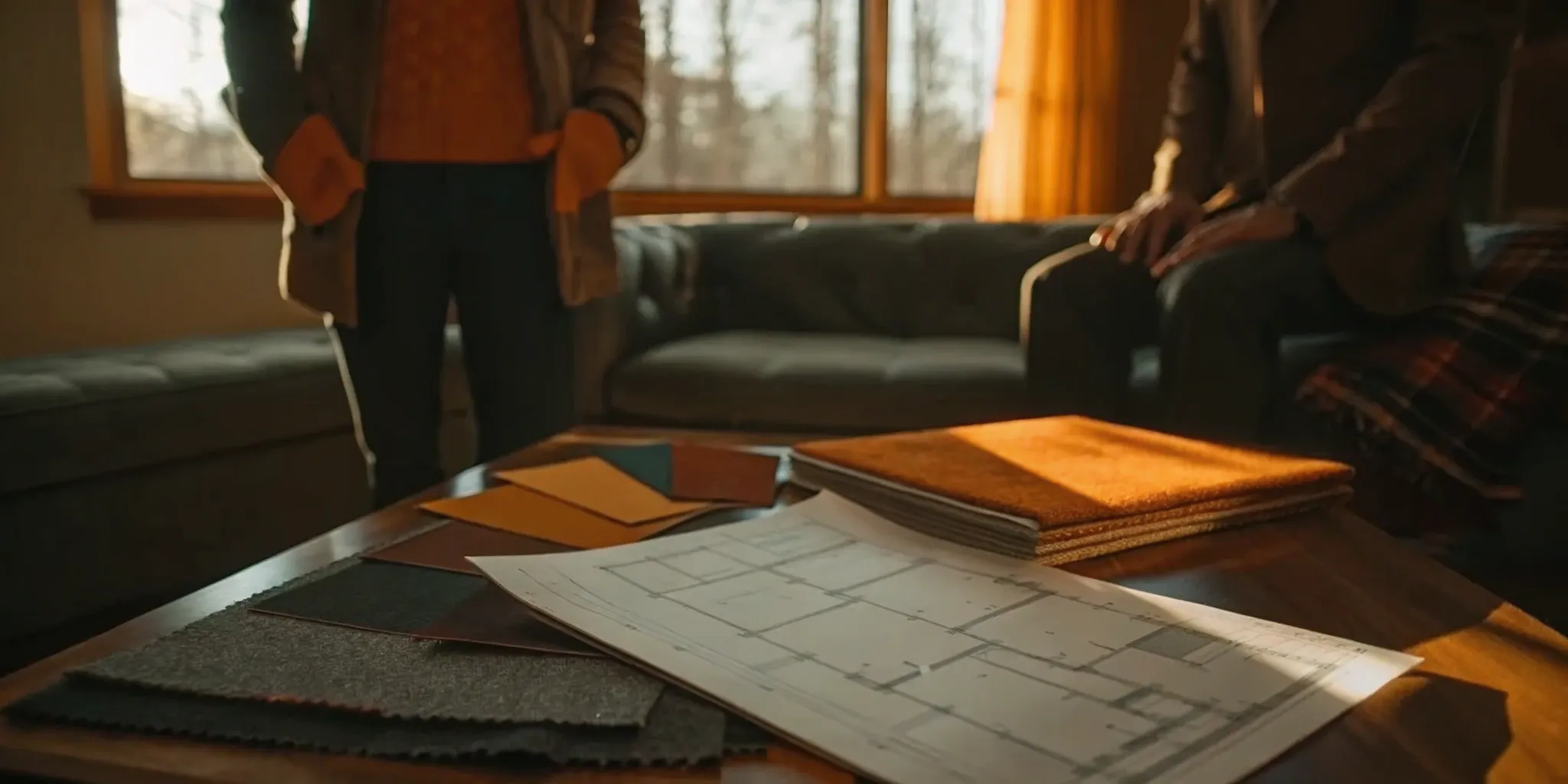
Use Visuals to Convey Your Ideas
A picture is truly worth a thousand words, especially in a renovation. Words like “modern” or “warm” can mean different things to different people. To make sure everyone is on the same page, use visual aids to express your aesthetic preferences. Create a mood board on Pinterest or compile a folder of inspiration photos that capture the look and feel you’re after. Sharing sketches or images of specific products provides immense clarity for your designer and builder. These visuals act as a guidepost, ensuring the final product aligns perfectly with your vision.
What to Expect During the Renovation
Once the plans are finalized and the team is in place, the construction phase begins. This is where your vision starts to take physical shape, but it’s also where the dust, noise, and disruption become part of your daily life. Knowing what’s coming can make the entire process feel much more manageable. The key to a smooth construction phase is consistent and clear communication. With a solid plan and a great team, you can handle the twists and turns of the renovation journey.
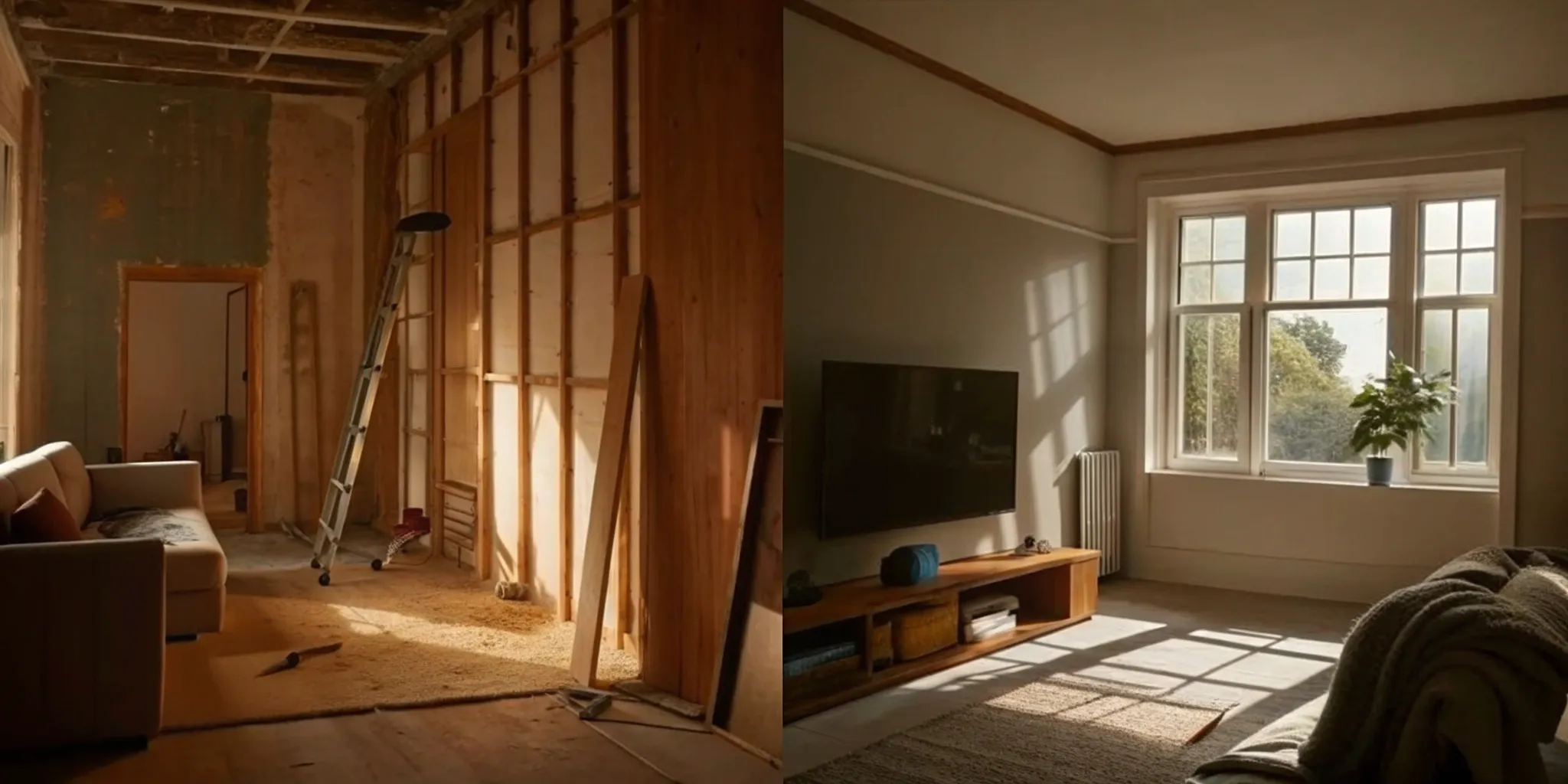
This is the time to lean on your project team, ask questions, and stay engaged. Regular updates and a clear understanding of the schedule will help you feel in control, even when your kitchen is down to the studs. Remember, every bit of demolition and every new frame is a step closer to your dream home.
Manage Contractors and Timelines
Setting clear expectations from day one is the best way to keep your project on track. Before the first hammer swings, have a detailed conversation with your contractor about the project timeline, key milestones, and the payment schedule. A well-defined plan helps everyone understand their roles and responsibilities. Regular check-ins, whether daily or weekly, are also essential for staying aligned. These meetings are your chance to ask questions, review progress, and address any small issues before they become big problems. Having a dedicated project advisor can streamline this process, giving you a single point of contact to manage communication and keep things moving forward smoothly.
Handle Delays and Setbacks
Even with the most meticulous planning, delays can happen. A material shipment might be late, a surprise structural issue could be uncovered behind a wall, or a string of bad weather could halt exterior work. It’s a normal part of any renovation. When challenges pop up, the goal is to approach them with a calm, problem-solving mindset. Instead of pointing fingers, work with your contractor to understand the issue and discuss potential solutions. Open and professional communication is your best tool for getting through setbacks. A good contractor will be transparent about delays and work with you to adjust the timeline and budget accordingly, ensuring you’re always in the loop.
Maintain Quality Control
You’ve invested a lot of time and money into your renovation, so you want to ensure the final result meets your standards. This is where quality control comes in. If you can, visit the site regularly to see the work firsthand. Don’t be afraid to ask questions about the materials being used or the techniques being applied. Your detailed plans and design documents are your guide here; they outline exactly what was agreed upon. If something doesn’t look right, bring it up immediately. A professional team will welcome your feedback and make sure the work aligns with your vision. This is a major benefit of working with vetted professionals who are committed to high-quality craftsmanship.
Prepare for Life During Construction
Living in a construction zone can be challenging. Depending on the scope of your project, you might need to set up a temporary kitchen, seal off certain areas to contain dust, or even move out for a short period. Plan for this ahead of time. Talk to your contractor about their plan for daily cleanup and how they’ll minimize disruption to your family’s routine. It’s also important to prepare mentally. There will be noise, messes, and a lot of new faces in your home. Keeping your eye on the end goal and maintaining a sense of humor can make all the difference during this temporary phase of beautiful chaos.
How to Ensure Your Renovation Adds Value
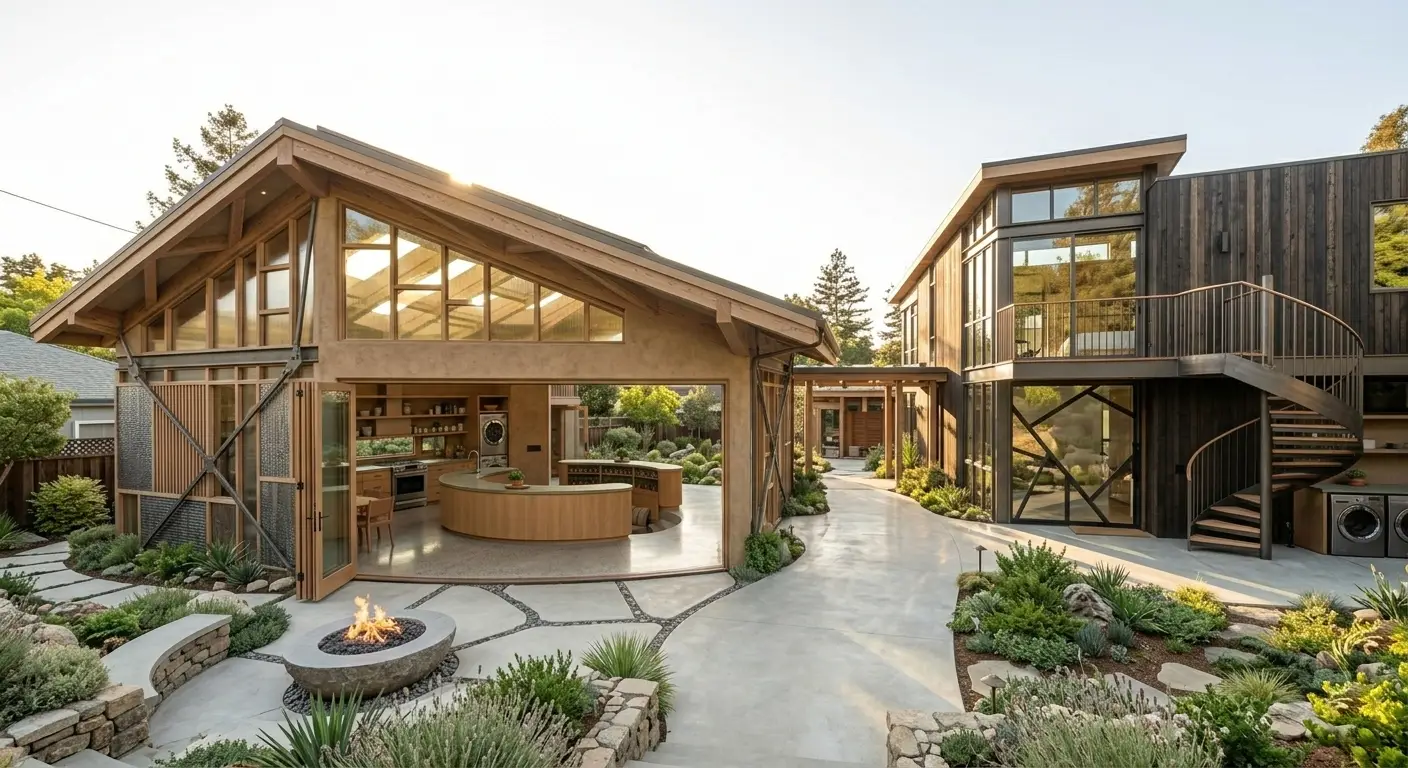
A renovation is more than just a fresh coat of paint or a new layout; it's a significant investment in your home. While the primary goal is to create a space you love living in, it’s also smart to think about how your project will impact your home’s long-term value. Not all upgrades offer the same return, and a thoughtful approach can make a huge difference when it’s time to sell. The key is to make strategic choices that enhance your daily life while also appealing to future buyers.
Making these decisions can feel overwhelming, but you don’t have to do it alone. A successful renovation hinges on a solid plan that considers your budget, lifestyle, and local market trends. By focusing on projects with a proven return on investment (ROI) and selecting materials that stand the test of time, you can confidently improve your home. This means looking beyond fleeting trends and focusing on quality and function. With the right expert guidance, you can ensure every dollar you spend not only brings you joy but also contributes to your home's overall worth.
Focus on High-Impact Areas (Kitchens & Baths)
When it comes to adding value, kitchens and bathrooms are the undisputed champions. These are the functional heart of a home, and buyers pay close attention to them. An outdated kitchen or a cramped bathroom can be a major turnoff, while a modern, well-designed space can make your home stand out. Simple updates like replacing old countertops, refinishing cabinets, or installing new, energy-efficient appliances can completely transform a kitchen’s appeal.
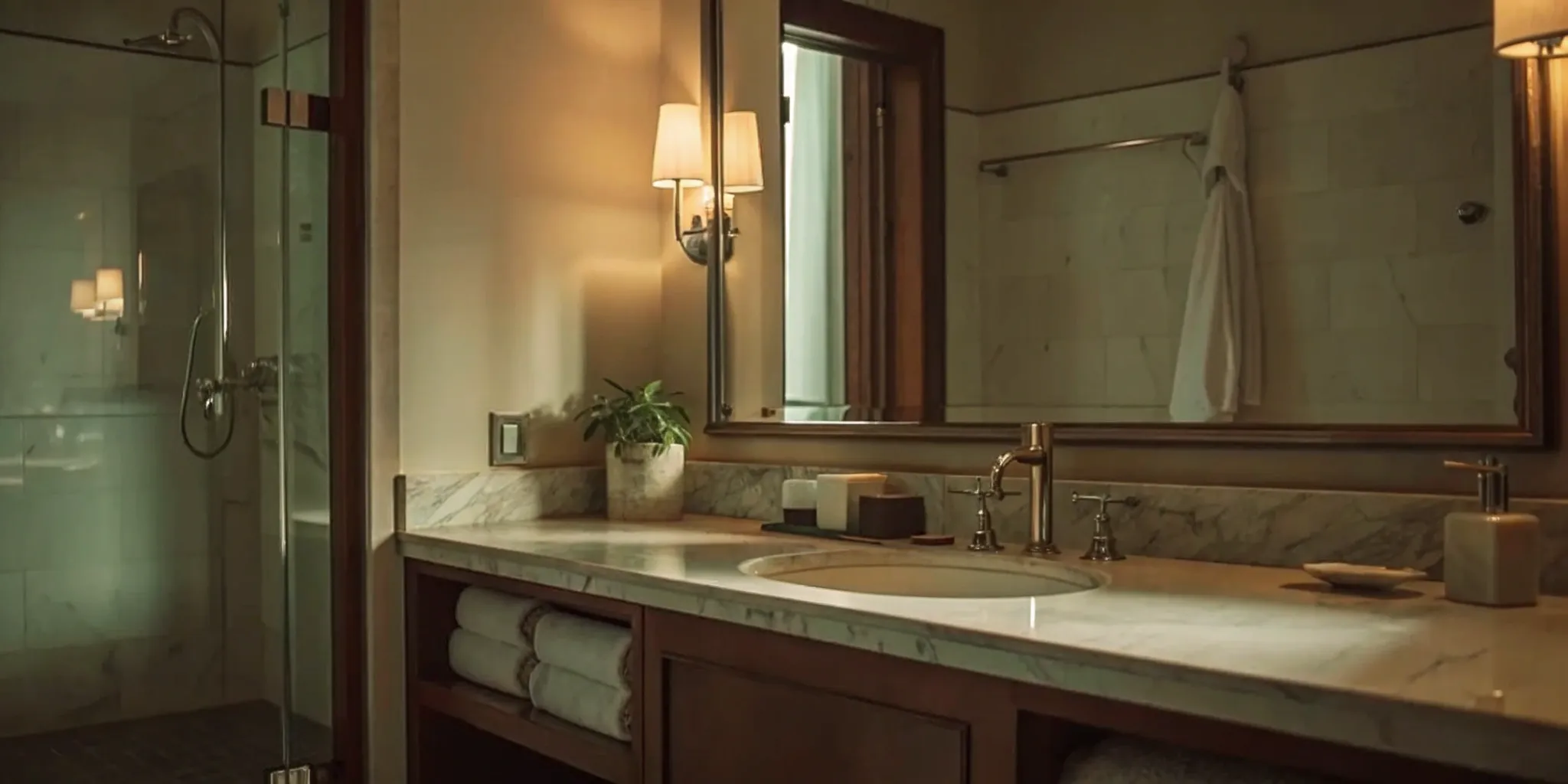
For bathrooms, consider upgrading fixtures, improving lighting, and maximizing storage. If your home only has one bathroom, adding a second one, even a small half-bath, can provide one of the highest ROIs of any renovation project. These are the rooms where thoughtful improvements make the biggest impression and deliver the most significant financial returns.
Choose Durable, Low-Maintenance Materials
Your choice of materials has a lasting impact on both your home's appeal and its upkeep. Opting for durable, low-maintenance materials is a smart move that pays off for years. For example, swapping out worn carpet for solid hardwood flooring not only looks timeless but is also much easier to clean and maintain, a huge plus for families and pet owners. Carpet can trap dust and allergens, while wood floors contribute to a cleaner, calmer environment.
This principle applies throughout the house. Think quartz countertops that resist stains and scratches in the kitchen, or fiber cement siding that withstands the elements better than wood. These choices might have a higher upfront cost, but they signal quality and longevity to potential buyers, who will appreciate a home that doesn't come with a long list of future maintenance projects.
Research Your Local Market
What adds value in one neighborhood might not in another. Before you start knocking down walls, it’s essential to understand your local real estate market. Take a look at recently sold homes in your area to see what features are common and what renovations are fetching higher prices. Are updated kitchens with stone countertops the standard? Do buyers expect a finished basement? This research helps you avoid over-improving for your area, which could mean you won’t recoup your investment.
A renovation project can get expensive quickly, so prioritizing your upgrades based on market demand is a financially sound strategy. This ensures your choices align with what local buyers are looking for, making your home more competitive when you decide to sell. Understanding these nuances is a key part of smart renovation planning.
Balance Personal Style with Resale Appeal
It’s your home, and it should absolutely reflect your personality. However, if you have any plans to sell in the future, it’s wise to balance your unique taste with broad resale appeal. Overly specific or bold design choices can make it harder for potential buyers to envision themselves living in the space. The goal is to create a home that feels personal to you but can be easily adapted by someone else.
A great way to do this is by using neutral, timeless finishes for permanent fixtures like flooring, tile, and countertops. These elements are expensive and difficult to change. You can then inject your personality with things that are easy to update, such as paint colors, light fixtures, cabinet hardware, and decor. This approach gives you a home you love today and one that will attract a wide range of buyers tomorrow.
Helpful Tools for Renovation Planning
A successful renovation starts long before the first hammer swings. Having the right tools on hand during the planning phase can make all the difference, helping you clarify your vision, stick to your budget, and communicate effectively with your team. From digital mood boards to expert advice, these resources are designed to bring structure and confidence to your project. Think of them as your pre-construction toolkit, essential for building a solid foundation for the work ahead.
Design Software and Apps
Clearly communicating your aesthetic vision is one of the biggest challenges in a renovation. This is where design tools come in. Using inspiration photos, sketches, or mood boards provides a powerful visual reference that words alone can’t capture. Platforms like Pinterest and Houzz are perfect for gathering ideas and creating a cohesive look for your project. When you can show your contractor exactly what you mean by "modern farmhouse kitchen," you reduce the risk of misunderstandings. This visual clarity helps your team give you more accurate quotes and ensures everyone is working toward the same goal from day one.
Professional Consultation Services
You don't have to plan your renovation alone. Professional consultation services provide invaluable expertise, acting as a bridge between you and your contractors. This is especially important because effective communication is the key to a smooth process. An experienced advisor helps you set realistic timelines, understand complex bids, and make informed decisions. At Realm, we provide every homeowner with a dedicated advisor who offers unbiased, expert guidance from start to finish. This support ensures you feel confident and in control, knowing you have a professional advocate on your side.
Budgeting and Project Tools
One of the most common renovation mistakes is underestimating how much a project will truly cost. A detailed budget is your best defense against financial surprises. Start with a simple spreadsheet or a budgeting app to track every potential expense, from materials and labor to permits and fixtures. It’s crucial to prioritize your wants versus your needs and to set aside a contingency fund of at least 15% for unexpected issues. Using a renovation cost calculator can give you a data-backed starting point, helping you create a realistic financial plan that keeps your project on track without breaking the bank.
Related Articles
- Residential Construction Renovation: A Simple Guide
- 2-Bedroom House Remodel Cost: A Full Breakdown
- How to Create a Renovation Budget That's Realistic
- How Much Does a Home Addition Cost? A Full Breakdown
- Creating a Home Renovation Project Plan in 7 Steps
Frequently Asked Questions
How much should I really set aside for unexpected costs? While the standard advice is to have a contingency fund of 15% to 20% of your total budget, the right number depends on your project. For an older home with unknown electrical or plumbing issues, aiming for 20% is a smart move. If you’re doing a more straightforward cosmetic update in a newer home, 15% might be sufficient. Think of this fund as your project’s insurance policy; it’s there to cover surprises without derailing your progress or forcing you to compromise on your vision.
What's the best way to handle a disagreement with my contractor? The key is to address issues early and professionally. Start by referring back to your detailed project plan and written contract, which should outline the scope of work and materials. Schedule a calm, in-person conversation to discuss your concerns and listen to their perspective. Often, a simple misunderstanding is the root cause. If you put any changes or solutions in writing, you can prevent future confusion. This is also where having a project advisor can be a huge help, as they can act as a neutral third party to facilitate communication.
Do I have to move out during my renovation? This really depends on the scale of your project. For a single-room renovation, like a guest bathroom, you can likely stay in your home by sealing off the work area. However, for a major kitchen remodel or any project that involves turning off water or electricity for extended periods, moving out might be necessary for your safety and sanity. Consider the dust, noise, and disruption to your daily routine. It’s a good idea to discuss the logistics with your contractor beforehand so you can make a plan that works for your family.
How do I make sure my personal style choices will still add value to my home? A great strategy is to distinguish between permanent fixtures and easily changed decor. For expensive, hard-to-replace items like flooring, countertops, and tile, stick with timeless, neutral choices that have broad appeal. This creates a beautiful, high-quality canvas. Then, you can express your unique personality through elements that are less costly and simpler to update, such as paint colors, light fixtures, cabinet hardware, and window treatments. This approach gives you a home you love now and one that will attract a wide range of buyers later.
What's the difference between an architect, a designer, and a contractor? Think of them as specialists for different phases of your project. An architect primarily deals with the structure, creating blueprints for new builds or additions and ensuring everything is structurally sound and up to code. A designer focuses on the interior flow, layout, and aesthetic, helping you select finishes, colors, and fixtures that create a cohesive look. The general contractor is the one who manages the construction itself, hiring subcontractors and bringing the architect's and designer's plans to life. For smaller projects, you may only need a contractor, but for larger renovations, all three play crucial roles.
















.png)




.png)