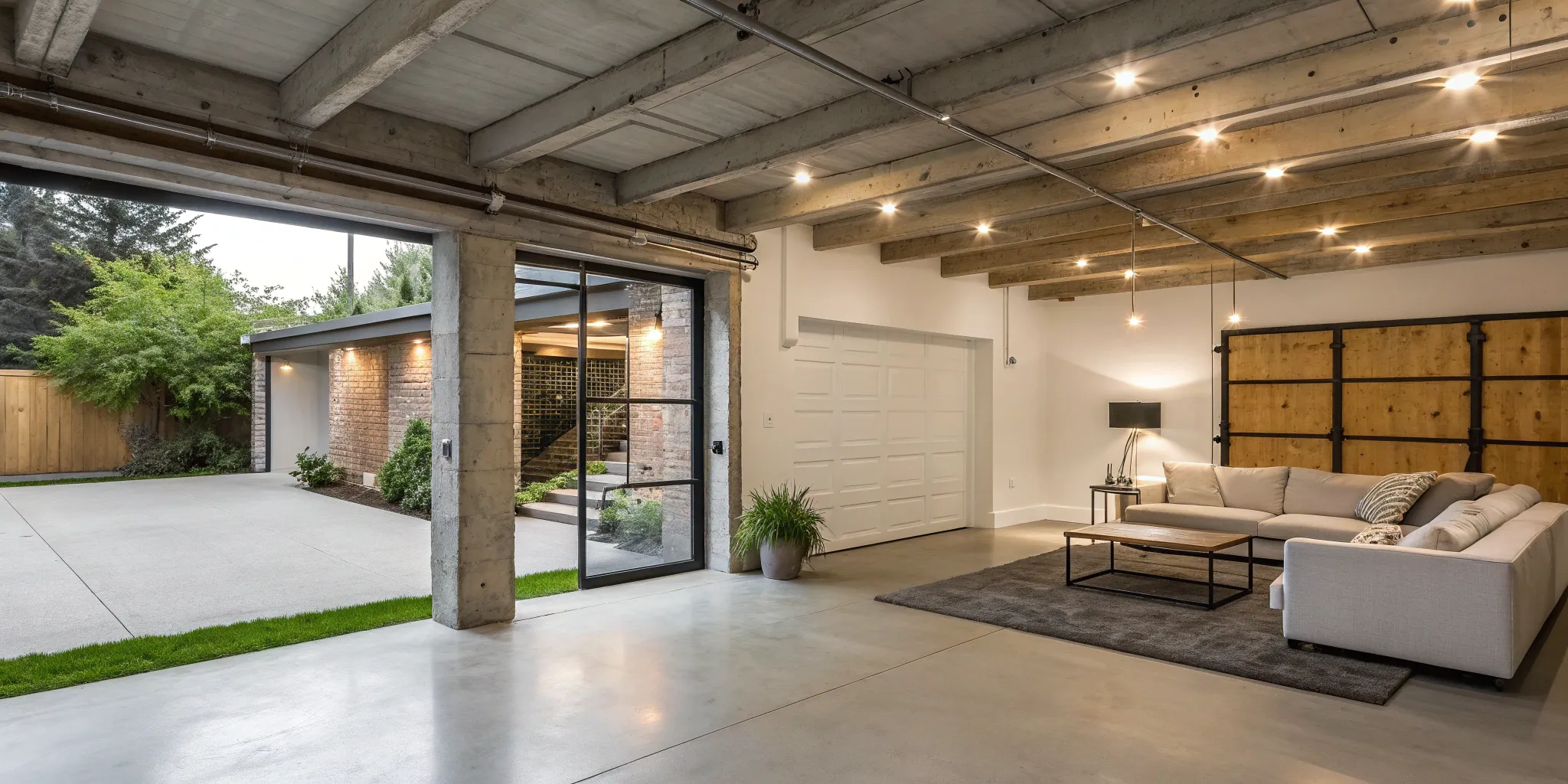
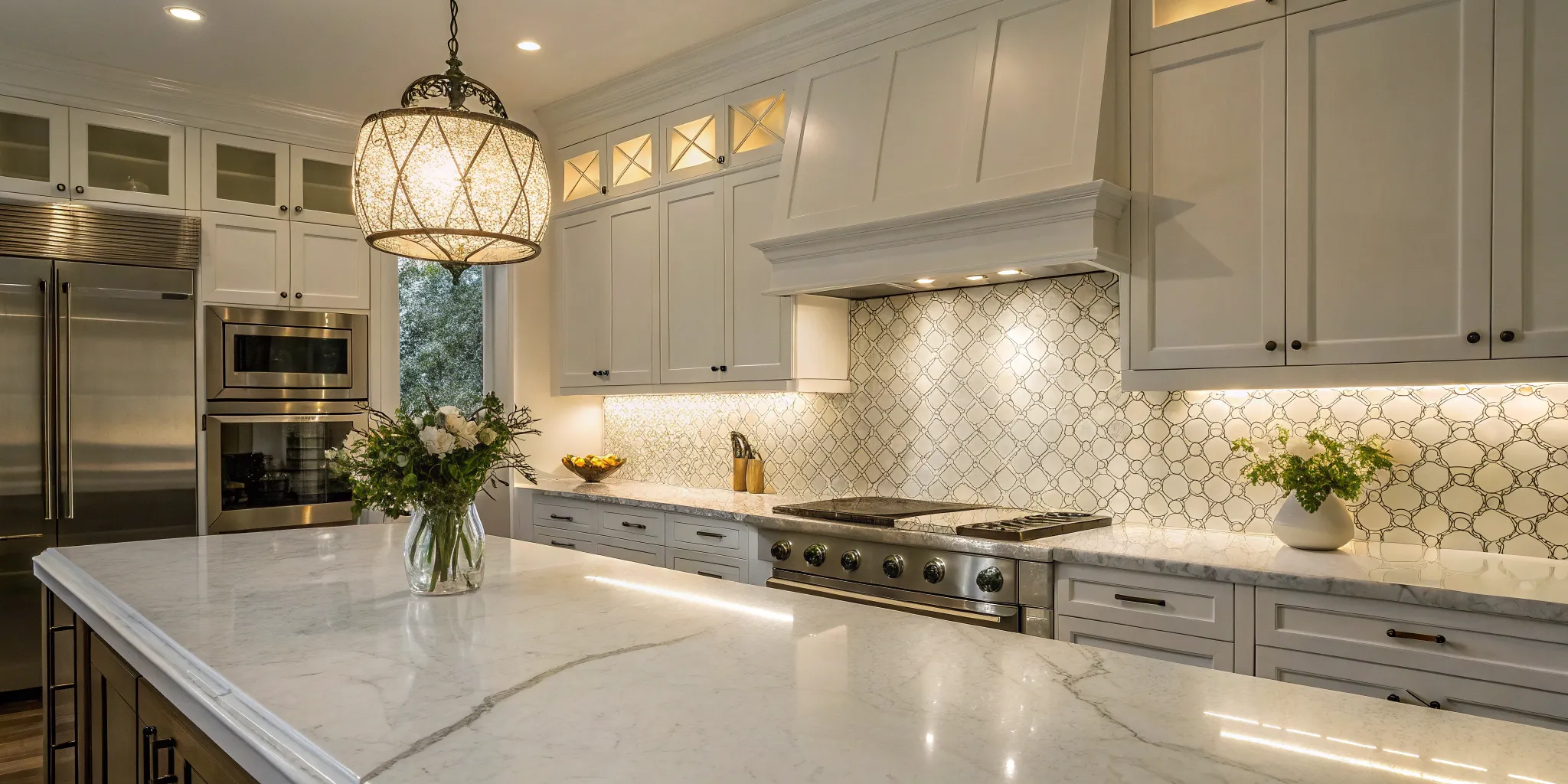
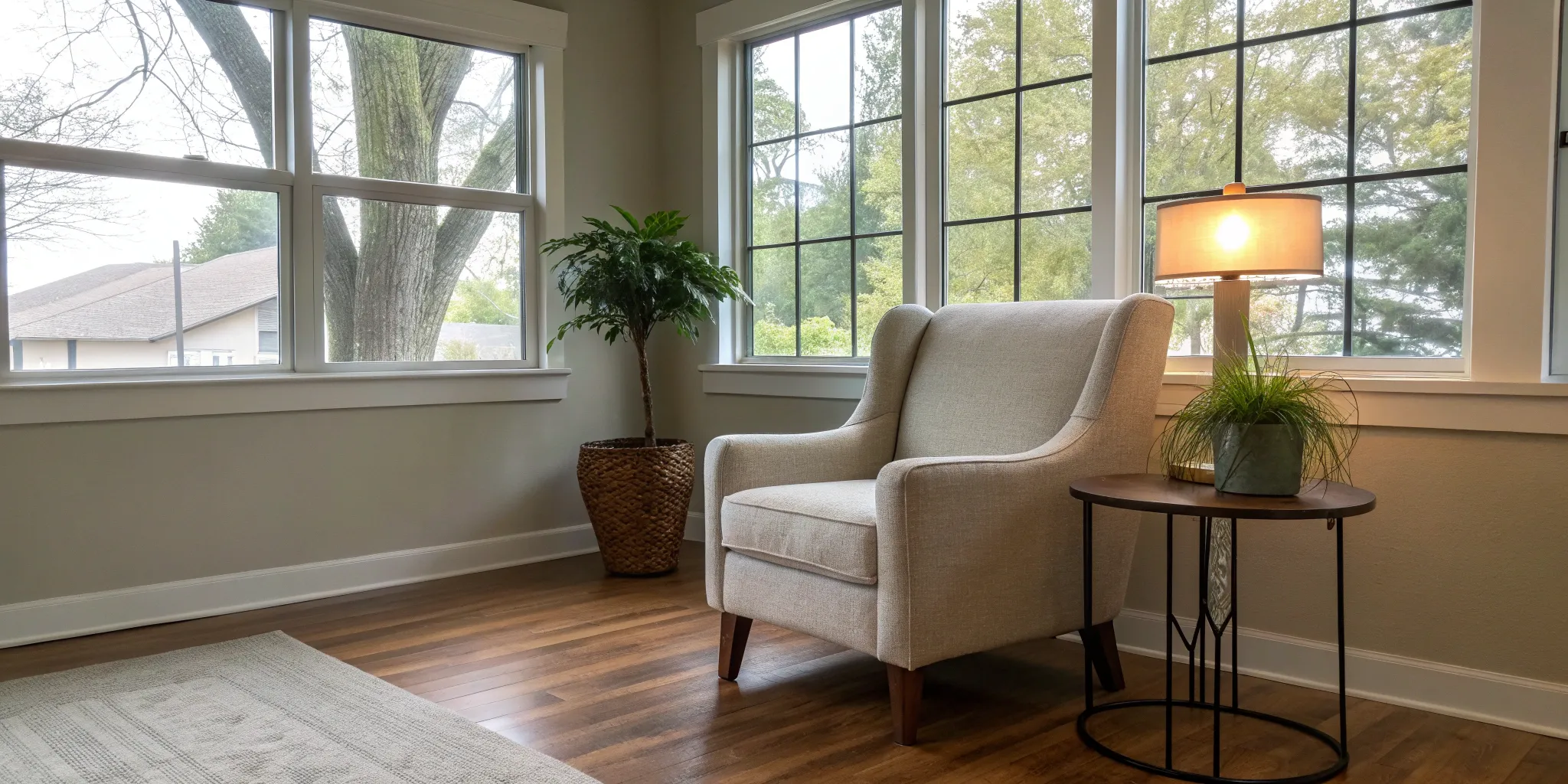
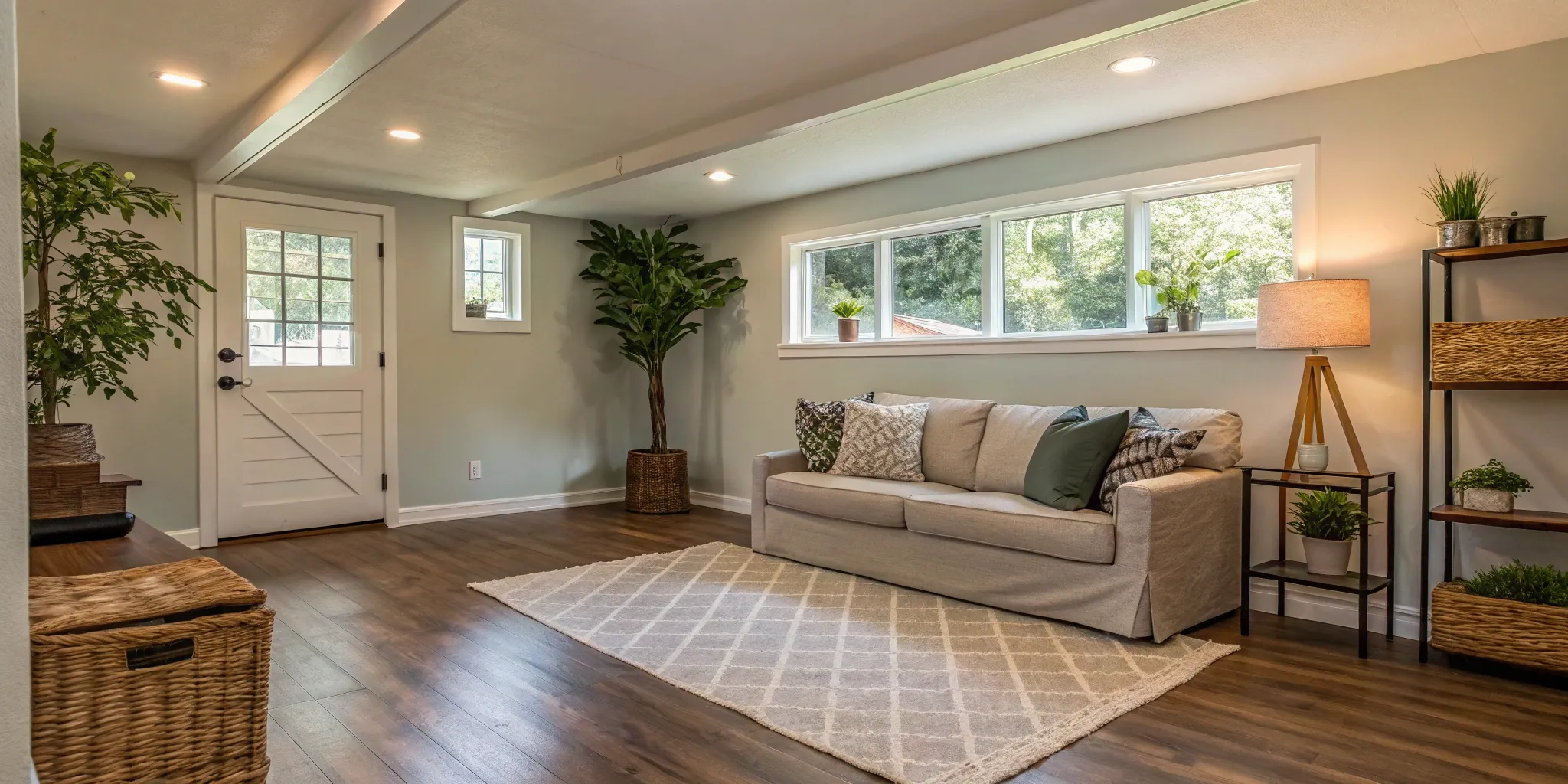
5 Garage Conversion Ideas on a Budget You'll Love
Find practical garage conversion ideas on a budget to add space and function to your home without overspending. Get inspired with these creative solutions.
|
December 12, 2025

In this article:
Your family’s needs are always changing. The home office you need today might need to become a playroom in a few years, or a guest suite down the road. That’s the real beauty of a garage—it’s a blank canvas that can adapt to whatever life throws your way. It’s the ultimate flexible space, ready to become a home gym, a creative studio, or a cozy den. The best part is that you can achieve this transformation without a massive financial commitment. These garage conversion ideas on a budget are designed to be adaptable, helping you create a functional room that grows with you.
Key Takeaways
- A Smart Plan is Your Best Tool: A garage conversion is a cost-effective way to add valuable living space, but its success hinges on solid prep work. Start by defining the room's purpose, setting a realistic budget with a contingency fund, and sorting out local permit requirements.
- Focus on the Fundamentals First: To truly transform your garage into a comfortable room, you must invest in its core structure. Prioritize proper insulation, a safe electrical upgrade to handle modern needs, and an effective heating and cooling solution to make the space livable year-round.
- Design for Function to Maximize Your Budget: You don't need to overspend to create an inviting space. Choose multi-purpose furniture that serves several needs, use vertical shelving to keep floors clear, and select durable, affordable finishes that make a big visual impact.
Why a Budget-Friendly Garage Conversion is a Smart Move
Feeling like you've outgrown your home but don't want the stress and expense of moving or building a massive addition? Your garage might be the perfect solution hiding in plain sight. A garage conversion is one of the most practical ways to add square footage to your home. It uses an existing structure, which keeps costs down and timelines shorter. Whether you're dreaming of a quiet home office, a guest suite, or just a place to send the kids on a rainy day, transforming your garage is a clever move that pays off in more ways than one.
Get More Living Space for Less
When you need more room, the first thoughts are often a full-scale home addition or even packing up and moving. But both of those options come with a hefty price tag and a lot of disruption. A garage conversion, on the other hand, is a much more wallet-friendly approach. Because you’re working with an existing foundation and structure, you can often add valuable living space for a fraction of the cost of building from scratch. Think of it as unlocking the hidden potential of your home without breaking the bank.
Create the Functional Room You Actually Need
The best part about a garage conversion is its flexibility. This isn't just about adding a generic room; it's about creating the exact space your family needs right now. Need a quiet place to work? It can be a home office. A spot for your in-laws to stay? It becomes a cozy guest suite. You can also design a home gym, a creative studio, or a dedicated playroom. With a bit of smart planning, you can design a space that solves a real-life problem and makes your home work better for you.
Build an Investment That Grows With You
A well-executed garage conversion does more than just add space—it adds value. This project is a solid investment that can increase your home's market price while also improving your day-to-day life. By properly finishing the space with essentials like insulation, new electrical wiring, and climate control, you’re creating a comfortable and legitimate living area. It’s a renovation that not only meets your immediate needs but also pays you back when it’s time to sell. It’s a win-win that grows with your family and your financial goals.
Cost-Effective Garage Conversion Ideas
A garage conversion is one of the most practical ways to add square footage to your home without the cost and complexity of a full-blown addition. The best part? You don’t need a massive budget to create a space you’ll actually use and love. The key is to focus on your family’s real needs and get creative with your approach. Instead of thinking about what a garage should be, think about what your home is missing. Is it a quiet place to work? A spot for the kids to burn off energy? A private room for visiting family?
By starting with a clear purpose, you can make smart decisions about where to spend and where to save. A simple home office might only need good lighting and insulation, while a guest suite will require more investment in plumbing and finishes. No matter your goal, a thoughtful plan is your best tool for keeping costs down. We’ll walk through five popular and budget-friendly ideas to show you what’s possible. Each one can be adapted to fit your style and financial plan, turning that underused space into your home’s new favorite room. If you're wondering where to begin, understanding how the renovation process works can help you set a solid foundation for your project.
A Home Office That Actually Works
If you’re tired of taking conference calls from your kitchen table, converting the garage into a home office can be a game-changer for your productivity. Creating a dedicated workspace that’s physically separate from your main living area helps establish a clear boundary between work and home life. You can create a functional and professional environment with just a few key elements: a comfortable desk and chair, good lighting, and plenty of storage. To make the most of a smaller footprint, think vertically. Installing tall bookshelves or wall-mounted shelving frees up valuable floor space and keeps your work materials organized and within reach. With a little planning, you can design a quiet, focused retreat that makes working from home feel a lot more manageable.
A Personal Gym (Minus the Membership Fees)
Imagine skipping the commute to the gym and having your own private fitness space just steps away. Converting your garage into a home gym is a fantastic way to save on monthly membership fees and make it easier to stick to your workout routine. The essentials are simpler than you might think. Start with durable and comfortable flooring, like affordable interlocking rubber mats, which protect your joints and the concrete slab underneath. From there, you can add storage for weights and equipment to keep the area tidy. You don’t need to buy every machine at once; start with a few key pieces that fit your fitness style and build your collection over time. This is a practical conversion that pays for itself in convenience and long-term savings.
A Welcoming Guest Suite for Visitors
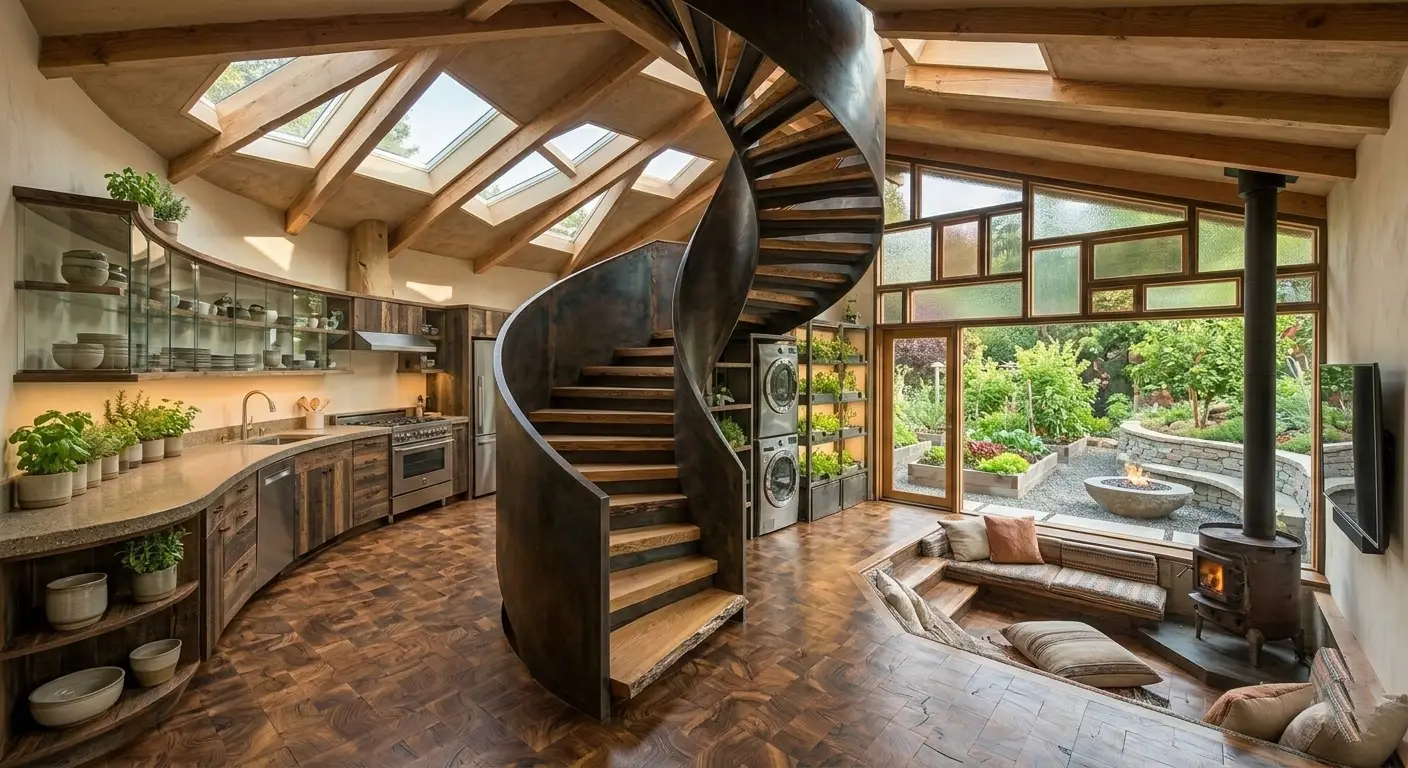
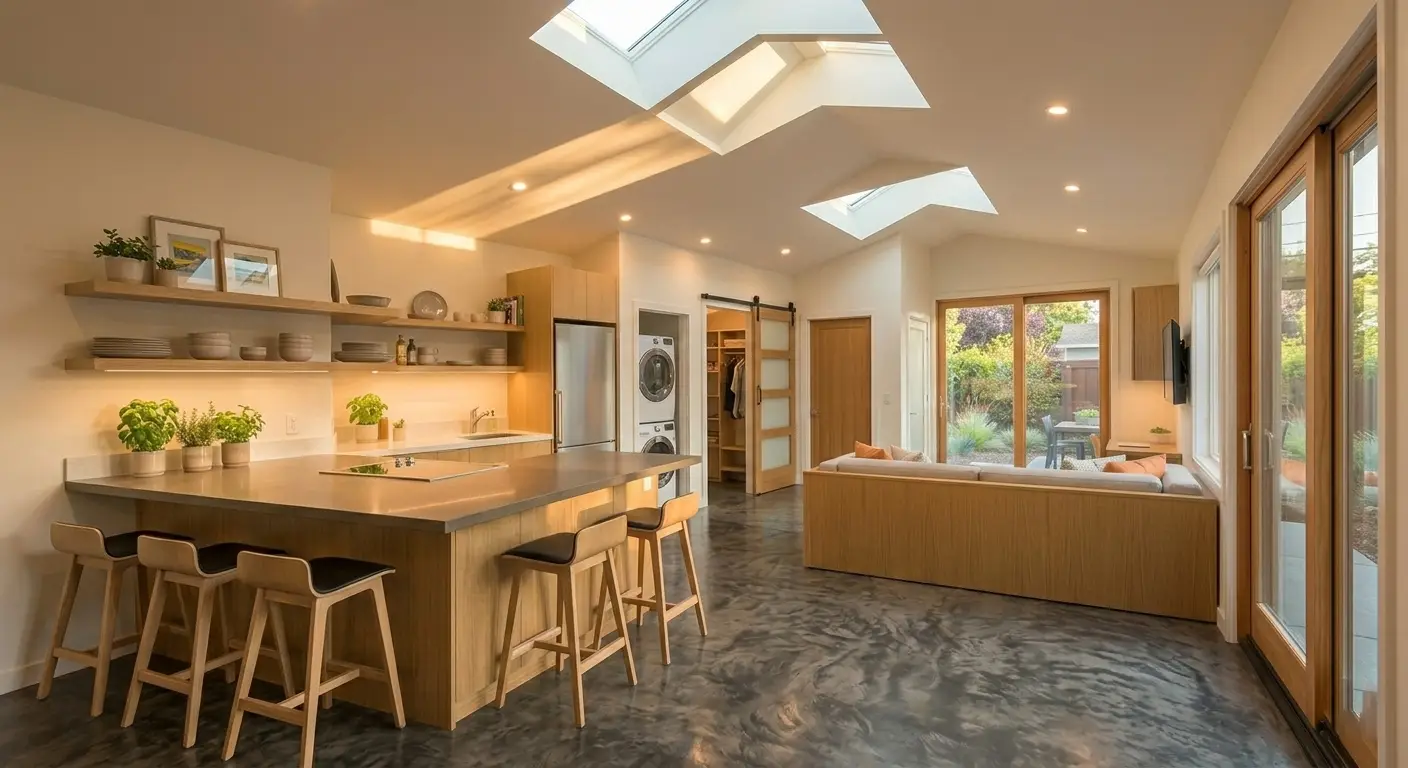
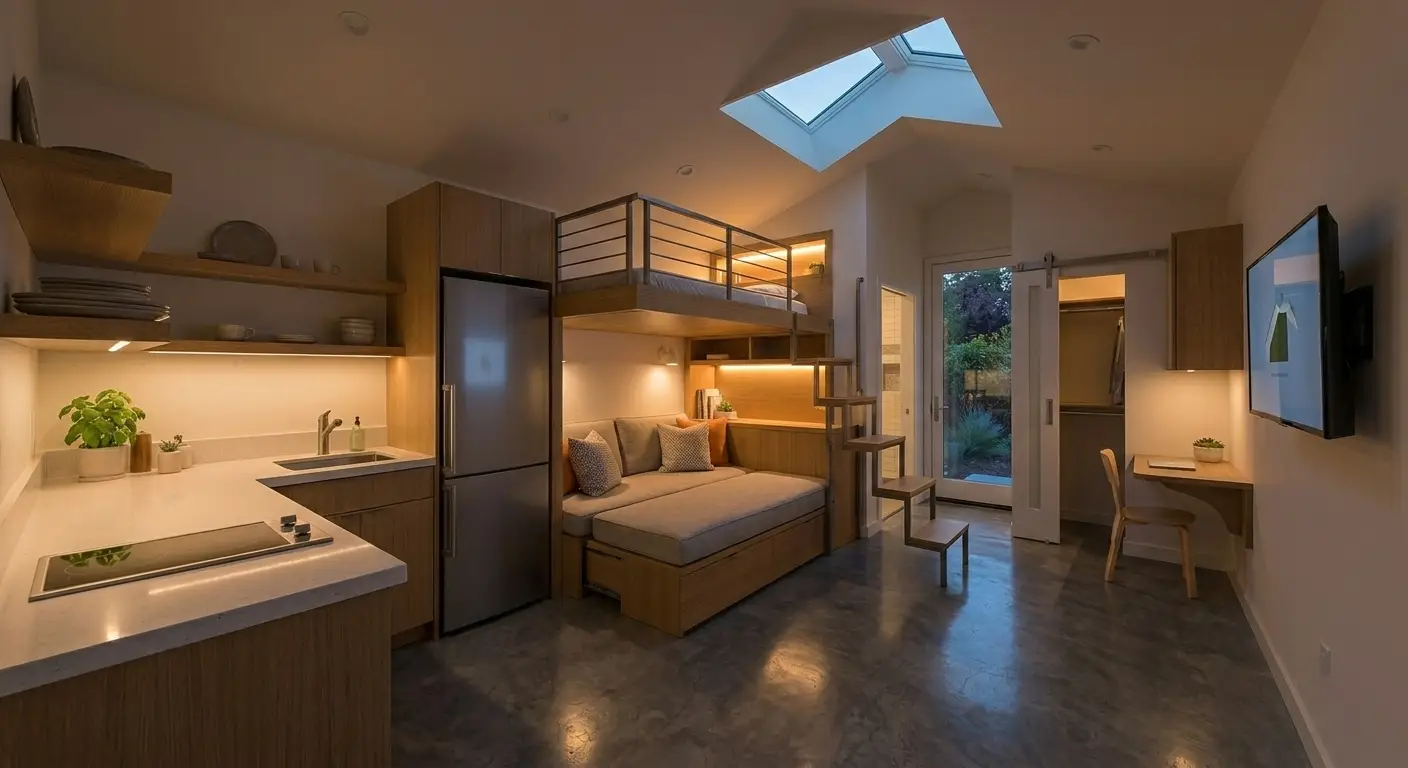
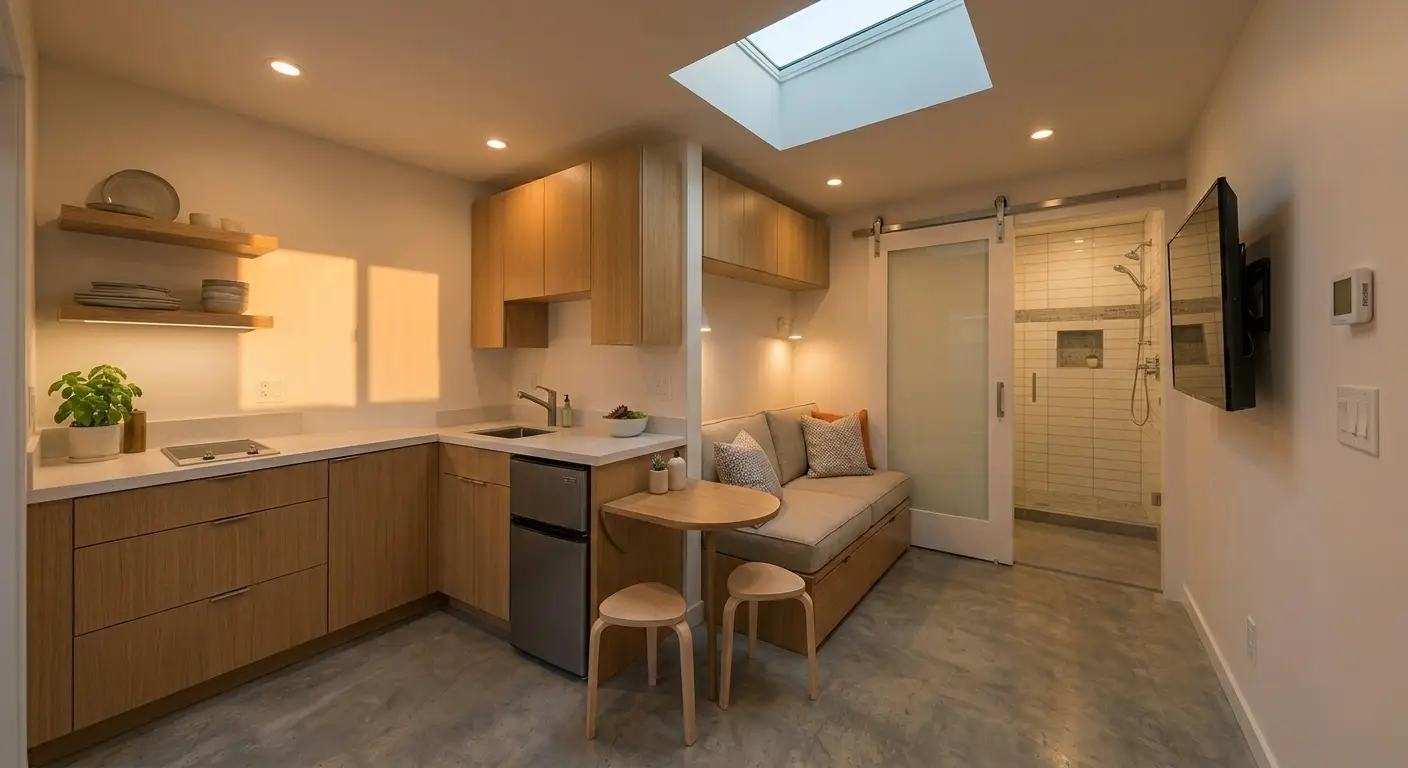
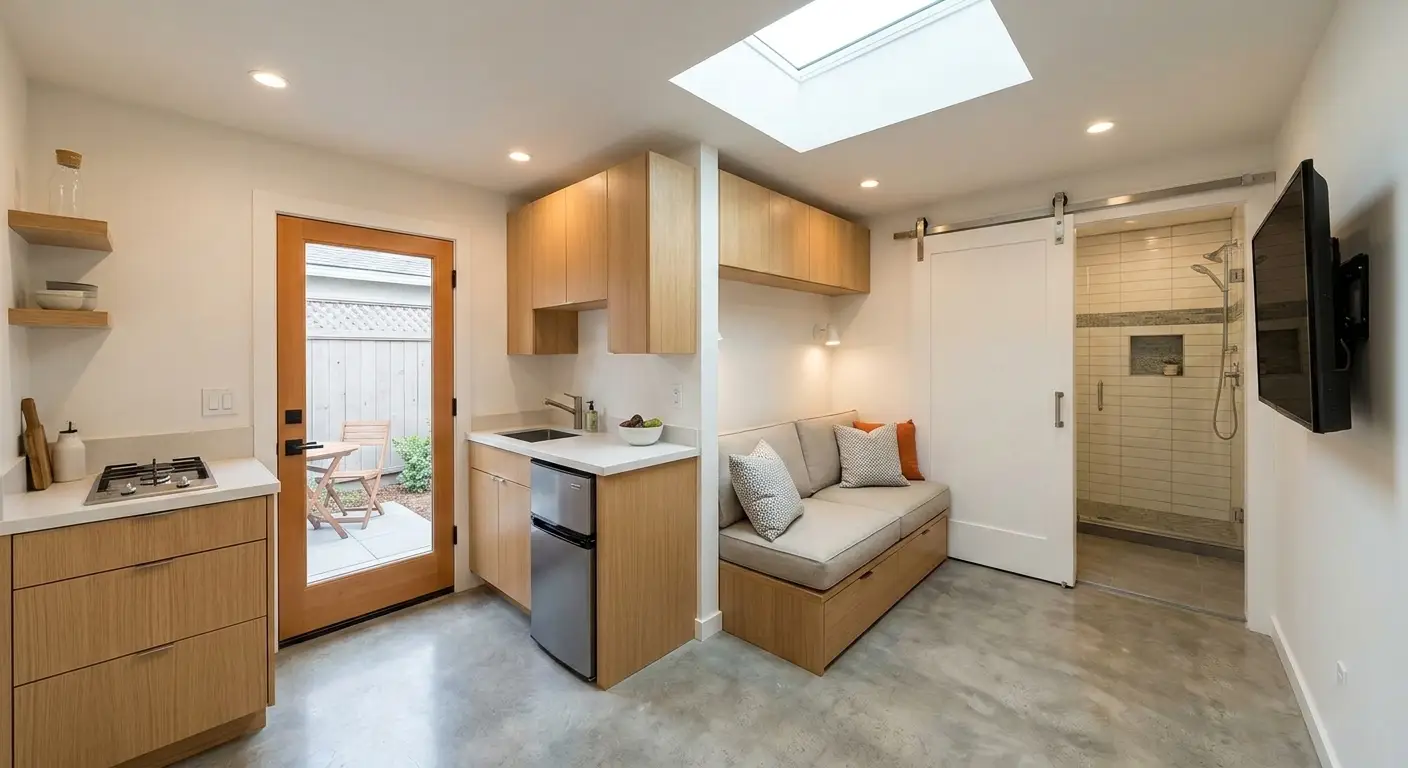
If you frequently host friends or family, turning your garage into a guest suite offers them a comfortable and private place to stay. It’s a much more personal alternative to a hotel and gives your visitors a sense of having their own space. A successful guest suite can be as simple as a cozy bedroom with an attached bathroom, or you could create a small studio-style apartment with a kitchenette for longer stays. This type of conversion adds significant value to your home and makes hosting a breeze. By providing a dedicated space for guests, you ensure everyone is comfortable during their visit, making their stay—and your hosting duties—far more enjoyable.
A Creative Studio for Your Hobbies
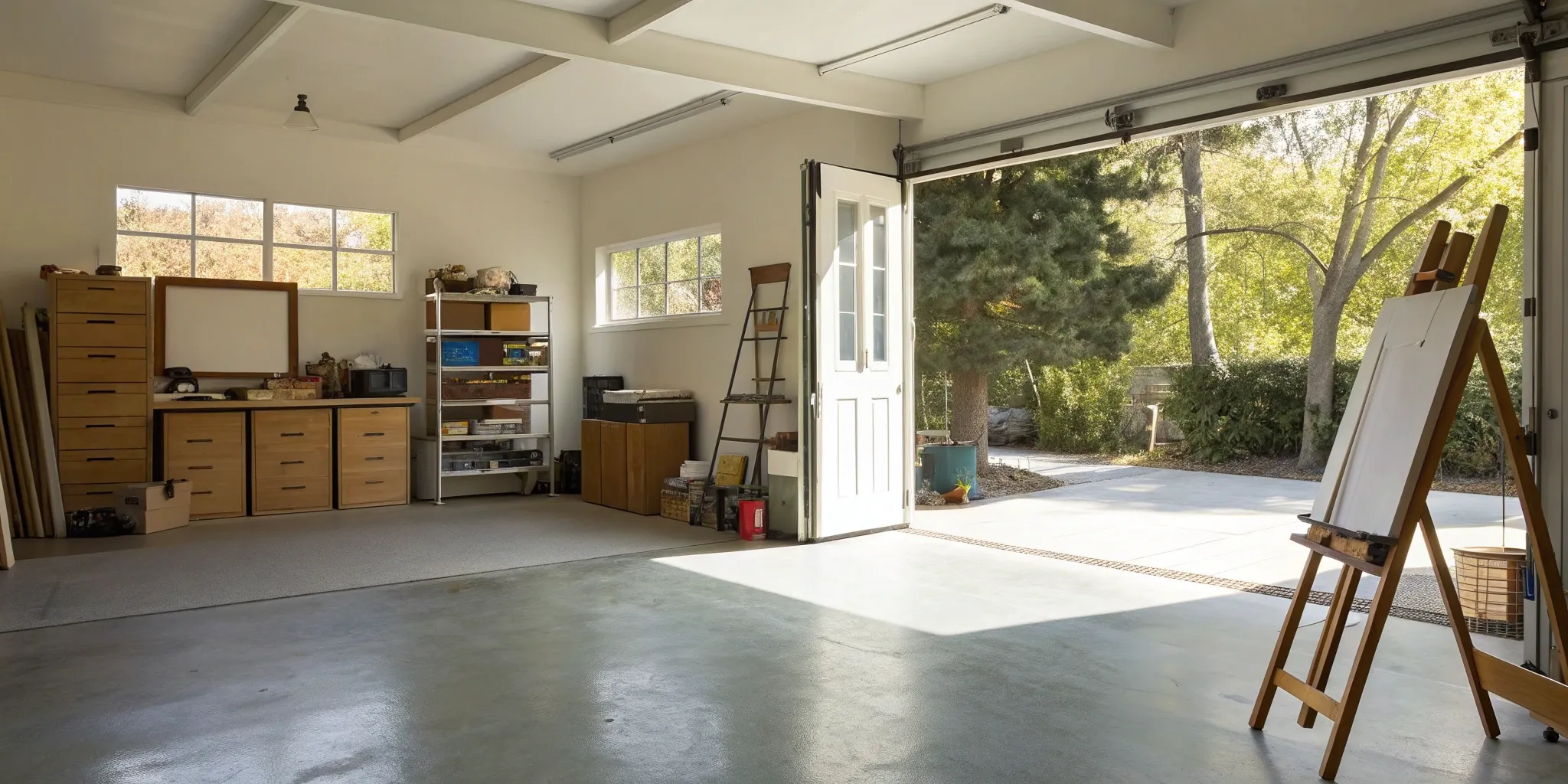
Whether you’re a painter, a potter, or a woodworker, your hobbies deserve a dedicated space to flourish. A garage provides the perfect blank canvas for a creative studio where you can make a mess without worrying about the rest of the house. This conversion allows you to keep your projects and materials organized and accessible, so you can dive into your passion whenever inspiration strikes. You can customize the space with everything you need, from specialized workbenches and task lighting to durable flooring that’s easy to clean. Having a separate studio also helps contain dust and fumes, making it a healthier environment for both you and your family. It’s the perfect way to give your creativity the room it needs to grow.
A Kids' Playroom to Contain the Chaos
Give your kids a space of their own and reclaim your living room by converting the garage into the ultimate playroom. This is a brilliant solution for containing the inevitable chaos of toys, games, and art supplies. You can design a fun and safe area with soft flooring, built-in toy storage, and even a cozy reading nook. A garage playroom gives children the freedom to play, create, and be loud without disrupting the entire household. Plus, it makes cleanup much easier when everything has a designated spot. It’s a smart investment in your family’s daily harmony, providing a dedicated zone for fun that your kids will love and you’ll appreciate even more.
Your Pre-Conversion Checklist: What to Do First
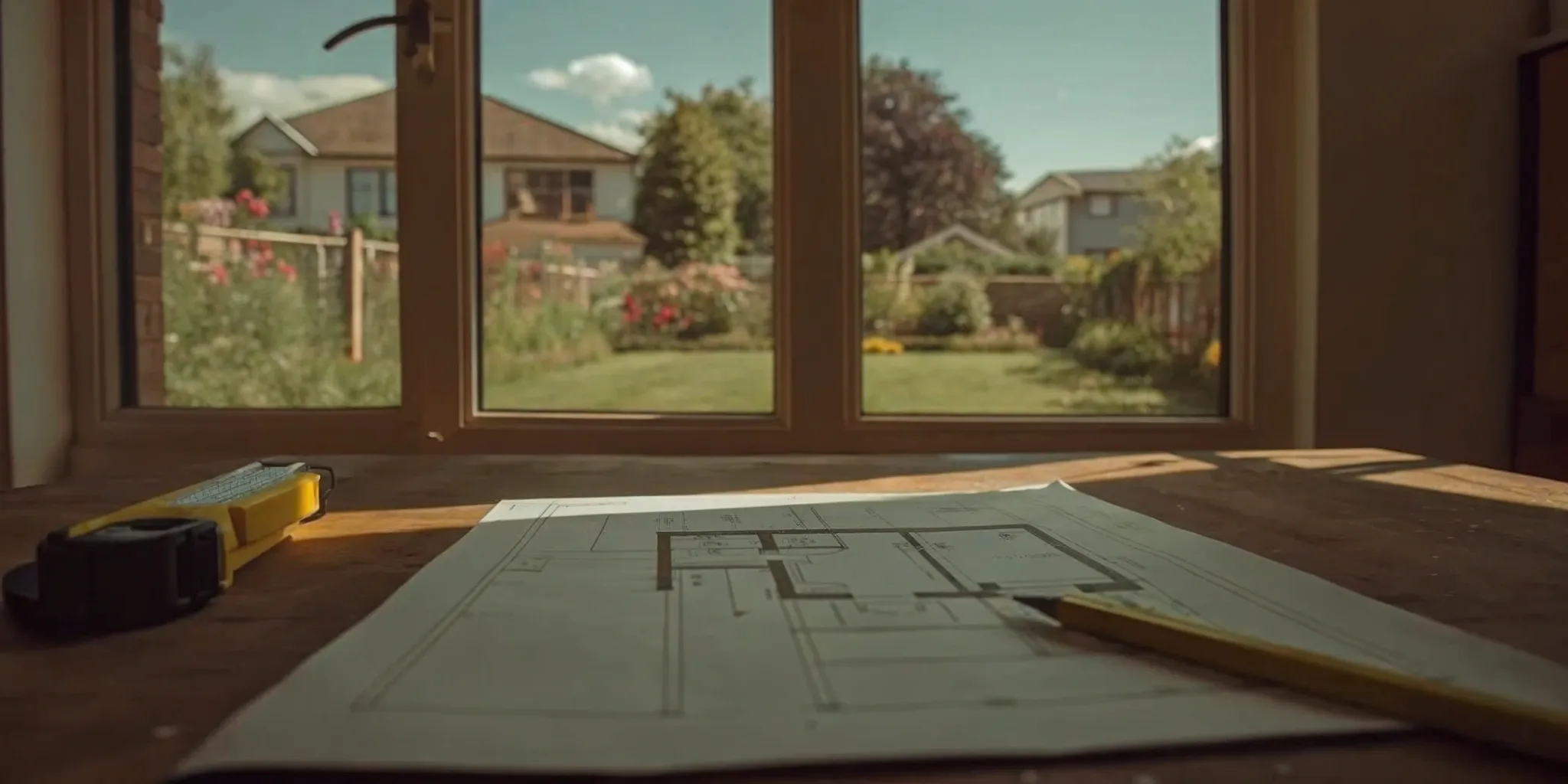
Before you start knocking down walls or picking out paint colors, a little prep work can save you a lot of headaches and money down the line. Think of this as the essential foundation for your project. Getting these key details sorted out first ensures your garage conversion goes smoothly and turns into the functional, beautiful space you’re dreaming of. It’s all about setting clear expectations, understanding the rules, and knowing what you’re working with from the get-go.
Taking the time to plan your budget, look into local permits, assess your garage’s current condition, and figure out a new storage strategy will make every subsequent step easier. This initial planning phase is exactly where a clear process makes all the difference. When you have a solid plan, you can move forward with confidence, knowing you’ve covered your bases. Let’s walk through the four most important things to do before you begin your conversion.
Plan Your Budget and Define Your Goal
First things first: let’s talk about money and motivation. It’s crucial to plan your budget carefully from the very beginning to make sure the project stays on track. Start by setting a realistic number you’re comfortable spending, and be sure to include a 10-15% contingency for unexpected costs.
Just as important is defining your goal. What is the primary purpose of this new space? Is it a home office for one, a playroom for three kids, or a guest suite for your in-laws? Getting specific helps you prioritize where to spend your money. A clear goal prevents scope creep and ensures every decision, from flooring to lighting, supports the room’s main function.
Understand Local Permits and Building Codes
Permits and building codes can feel like a huge hurdle, but it’s a non-negotiable step. These regulations exist to ensure your new living space is safe and structurally sound. The rules can vary significantly depending on where you live, so you’ll need to check with your local building department to see what’s required.
In many cases, a simple conversion that doesn’t alter the garage’s footprint might not need extensive planning permission. However, any work involving electrical, plumbing, or structural changes will almost certainly require a permit and inspections. Tackling this early helps you avoid potential fines or the nightmare of having to tear out completed work. A dedicated project advisor can help you figure out exactly what your project needs.
Assess Your Garage's Structure and Utilities
Your garage was originally designed to park cars, not for comfortable living. That’s why you need to take a hard look at its current condition. Check the foundation for cracks, inspect the roof for leaks, and make sure the walls are in good shape. Most importantly, you’ll need to plan for utilities.
A garage conversion almost always requires new electrical wiring to handle the demands of a living space. You’ll also need to think about heating and cooling to keep the room comfortable year-round. And don’t forget insulation! Properly insulating the walls and ceiling is one of the most critical steps for creating an energy-efficient room that isn’t freezing in the winter and sweltering in the summer.
Figure Out Your New Storage Plan
Right now, your garage is likely home to tools, bikes, holiday decorations, and all sorts of miscellaneous items. When you convert that space, all of that stuff has to go somewhere. Forgetting to plan for storage is one of the most common garage conversion mistakes, and it can quickly lead to your new room feeling cluttered and chaotic.
Before you start, take a full inventory of what’s in your garage and decide what you need to keep. Then, you can incorporate smart storage solutions into your design. Think about adding a small storage closet, installing built-in cabinets along one wall, or using vertical shelving to maximize space. Planning ahead for storage will help you maintain a tidy and functional room long after the project is done.
How to Maximize Space and Function on a Tight Budget
Once the structural work is done, the real fun begins. Making your new space feel open, functional, and inviting doesn’t require a huge budget—it just requires a smart plan. A garage is essentially a blank canvas, and with a few strategic choices, you can make it feel much larger and more purposeful than its square footage suggests. The key is to focus on elements that work hard for you, from the layout to the furniture to the final design touches. These tips will help you create a room that’s both beautiful and practical without stretching your budget.
Use Layouts That Make the Room Feel Bigger
The best way to make a small room feel spacious is with an open layout. Instead of building walls to divide the space, create distinct "zones" using furniture and rugs. For example, in a home office/guest room combo, a rug can anchor the seating area while the desk is placed against a separate wall. This approach maintains an open line of sight, making the entire room feel more expansive. When you plan your layout, position the main activity areas near windows to take advantage of natural light, which instantly makes a space feel brighter and more welcoming.
Choose Furniture That Does Double Duty
In a converted garage, every piece of furniture should earn its keep. Look for items that serve more than one purpose to maximize utility and save money. Think about a sleeper sofa for a guest suite, an ottoman with hidden storage for blankets or toys, or a dining table that can double as a desk. This strategy is perfect for creating a flexible space that can adapt to your needs. By investing in multi-functional furniture, you reduce clutter and avoid buying extra pieces, keeping your floor plan open and your budget in check.
Go Vertical to Save Floor Space
When floor space is limited, the only way to go is up. Using your walls for storage is one of the most effective ways to keep a room from feeling cramped. Install floating shelves to hold books and decor, or put up a pegboard system in a home gym or craft room to organize equipment and supplies. Tall, narrow bookcases draw the eye upward and create the illusion of higher ceilings. By getting items off the floor, you create more room for movement and make the space feel significantly larger and more organized. It’s a simple, cost-effective storage solution that works in any room.
Add Design Touches That Make a Big Impact
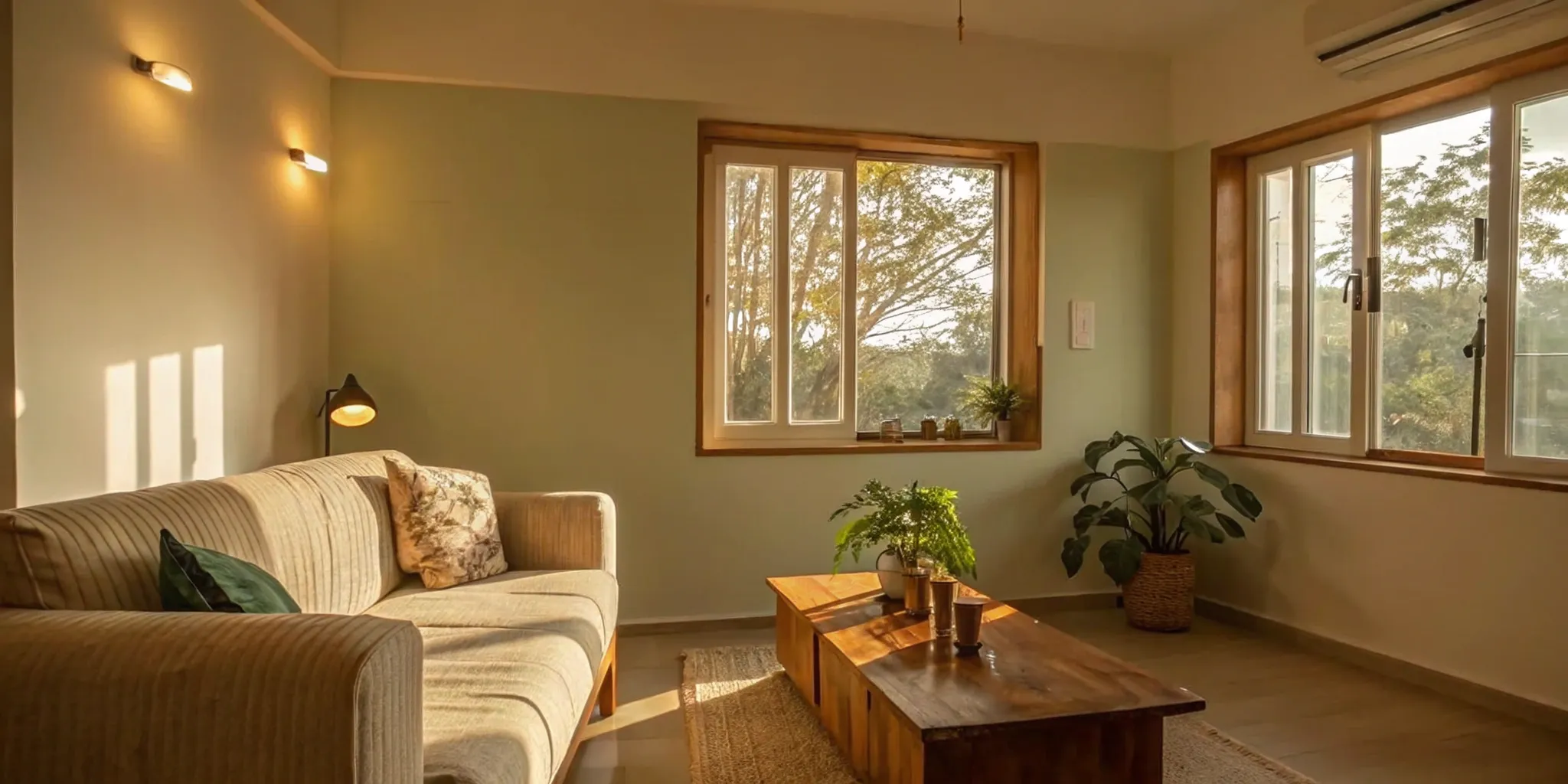
You don’t need to spend a lot to make your new space feel polished. A fresh coat of paint is one of the cheapest and most transformative things you can do. Lighter colors like soft whites, grays, and blues can make the room feel brighter and more open. Good lighting is also essential. Instead of relying on a single overhead fixture, use a layered approach with a combination of ceiling lights, lamps, and task lighting to brighten every corner. Adding a large mirror is another classic trick; it will reflect light and create an illusion of depth, making the room feel twice its size.
Your Best Options for Budget-Friendly Flooring and Finishes
The right flooring and finishes are what truly transform a concrete box into a comfortable, inviting room. You don’t have to spend a fortune to get a high-end look, either. The key is choosing materials that are durable, stylish, and suited for a ground-level space that was once a garage. From sleek polished concrete to cozy vinyl planks, there are plenty of budget-friendly options that deliver a big impact. And don't forget the walls—a little drywall and paint go a long way in making your converted garage feel like a true extension of your home. Let's look at some of the best choices that won't break the bank.
Affordable and Stylish: LVP and Tile
If you want the look of hardwood without the cost or maintenance, luxury vinyl plank (LVP) is your answer. It’s durable, water-resistant, and comes in countless styles that convincingly mimic wood, stone, and other materials. Tile is another fantastic, long-lasting option. Both are relatively easy to clean and hold up well to heavy foot traffic. Choosing good quality, energy-saving materials is a smart move that can save you money on bills down the road. You can expect flooring and installation to cost between $5 to $15 per square foot, making it a practical and stylish investment for your new space.
Durable and Easy: Rubber and Interlocking Mats
For a home gym, workshop, or playroom, you need flooring that can take a beating. Rubber flooring and interlocking mats are excellent for durability and ease of maintenance. Many DIYers recommend investing in good rubber flooring because it lasts much longer than foam tiles. For a clever, cost-effective hack, some homeowners have found that rubber stable mats, designed for horses, are a great alternative to pricey gym mats. They provide the same durability and comfort for a fraction of the price, giving you a resilient surface that’s perfect for workouts or projects.
Modern and Minimal: Polished or Painted Concrete
Why cover up what you already have? Your garage's concrete slab can be transformed into a sleek, modern floor. Polishing the concrete gives it a smooth, high-gloss finish, while painting or sealing it can add color and protection. This is one of the most cost-effective options since the base material is already there. To keep the space clean and low-maintenance, it’s a good idea to seal the concrete to prevent dust from accumulating. This approach gives you a durable, industrial-chic surface that’s perfect for a home office, art studio, or modern living space.
Wall Finishes That Instantly Upgrade the Room
Don’t overlook the walls. Bare studs or unfinished cinder blocks will always make the space feel like a garage. Installing drywall is one of the most effective ways to make the room feel finished and integrated with the rest of your house. It’s a standard step in most garage conversion ideas for a reason. Once the drywall is up, a fresh coat of paint is a simple, low-cost way to completely change the atmosphere. Choose a light, bright color to make the space feel larger and more inviting. These simple updates will have a huge impact on the final look and feel of your new room.
DIY Projects That Will Save You the Most Money
While some parts of a garage conversion absolutely require a pro (we’re looking at you, electrical and plumbing), you can save a significant amount on labor costs by rolling up your sleeves and tackling a few projects yourself. Labor can account for a huge chunk of any renovation budget, so every task you can confidently handle is money back in your pocket. Focusing your DIY efforts on prep work, finishing touches, and non-structural tasks is a smart way to make your budget go further without compromising on safety or quality.
Before you start any project, it’s crucial to understand the scope and be honest about your skill level. There are tons of online tutorials that can walk you through the basics, but always prioritize safety. If a job involves moving load-bearing walls or rerouting utilities, it’s time to call in the experts. But for the tasks below, a little bit of confidence and a free weekend can lead to big savings.
Prep Work: The Easiest Place to Save
This is where your sweat equity pays off the most. Before any contractor steps foot in your garage, you can handle all the prep work. Start by completely clearing out the space—and yes, that means finally sorting through those boxes that have been there for years. A thorough deep clean of the floors and walls comes next. If you have old cabinets or workbenches that need to go, handling the demolition yourself will save your contractor time and save you money. This initial clear-out gives you a blank canvas and helps you spot any potential issues, like cracks in the concrete or signs of moisture, early on.
Simple Framing and Insulation
If you’re comfortable with a saw and a level, building simple, non-load-bearing interior walls is a manageable DIY project. These walls can help define the new space, creating a separate office area or a closet. After framing, insulation is your next mission. This step is non-negotiable for making the room comfortable and energy-efficient. Neglecting to properly insulate can leave you with a chilly, unwelcoming room. Installing fiberglass batt insulation between the wall studs is a straightforward process that will make a world of difference in your finished space.
Painting and Installing Basic Shelving
Never underestimate the transformative power of paint. It’s one of the most affordable and impactful DIY projects you can do. A few coats of a fresh, bright color can instantly make the garage feel less like a utility space and more like a true part of your home. Once the walls are painted, you can add functional and stylish storage by installing your own shelving. Instead of paying for custom built-ins, consider affordable options like floating shelves or adjustable track shelving systems. This not only saves money but also lets you customize your storage to fit your exact needs.
Easy Lighting Upgrades You Can Do Yourself
Good lighting is essential for making your converted garage feel bright and inviting. While you’ll need an electrician to install new outlets or run wiring, there are plenty of simple lighting upgrades you can do yourself. You can dramatically improve the ambiance by installing plug-in track lighting on the ceiling or adding stylish wall sconces that don’t require new wiring. For a modern touch, consider adding LED strip lighting under shelves or along ceiling coves. These small changes create a layered lighting effect that makes the space feel more professional and thoughtfully designed.
How to Affordably Insulate and Climate-Control Your Garage
Turning your garage into a comfortable living space means you have to think about temperature. No one wants a home office that feels like a freezer in the winter or a guest room that’s an oven in the summer. Getting the insulation and climate control right from the start is one of the most important steps. It might not be the most glamorous part of the project, but it’s what makes the room truly livable and keeps your energy bills in check. The good news is, you don’t have to spend a fortune to get it right. With a few smart choices, you can create a cozy, climate-controlled room without draining your renovation fund.
The Best Budget-Friendly Insulation Materials
Proper insulation is the foundation of a comfortable garage. Without it, any heating or cooling you add will just escape through the walls, ceiling, and door. One of the most common garage conversion mistakes is skimping on this step. For an affordable solution, fiberglass batt insulation is a go-to choice for walls and ceilings. It’s relatively easy to install yourself if you’re feeling handy. For the garage door, which is often a major source of heat loss, consider rigid foam board insulation kits. They’re lightweight, easy to cut to size, and can make a huge difference in stabilizing the room’s temperature.
Smart Heating and Cooling Options for Less
Once your garage is insulated, you’ll need a way to heat and cool it. Your home’s existing HVAC system probably wasn’t designed to cover the garage, so you’ll likely need a separate solution. A ductless mini-split system is an incredibly efficient option for both heating and cooling, but the upfront cost can be high. For a more budget-friendly approach, a portable air conditioner or a window unit can cool the space effectively in the summer. In the winter, a high-quality portable space heater can provide plenty of warmth. Installing a ceiling fan is another smart, low-cost move to help circulate air year-round, making the room feel more comfortable without overworking your system.
Don't Skip These Weatherproofing Steps
Insulation and an AC unit won't do much good if air is still seeping in through cracks and gaps. Before you finish the walls, take the time to seal everything up. Use caulk to fill any gaps around windows, doors, and where the walls meet the foundation. Add weatherstripping to the bottom of the garage door and around any exterior doors or windows. This is also the time to think about utilities. Most garages need a complete electrical upgrade to handle the demands of a living space, so it's crucial to factor that into your garage conversion cost. Planning ahead for these practical details is key to avoiding common pitfalls in a garage conversion and creating a space that’s truly functional.
Common (and Costly) Garage Conversion Mistakes to Avoid
A budget-friendly garage conversion is an amazing way to add value and function to your home, but cutting the wrong corners can turn a smart investment into a major headache. Some shortcuts just aren’t worth the initial savings and can lead to expensive fixes down the road. Knowing what to look out for from the very beginning is the key to a successful project that you’ll love for years to come.
Think of it this way: you’re not just putting up new walls; you’re creating a safe, comfortable, and legal living space. That means paying attention to the foundational elements that make a room truly livable—things like insulation, electrical systems, and permits. Getting these right from the start will save you from frustrating and costly surprises later. Let’s walk through some of the most common missteps homeowners make so you can confidently sidestep them on your own project.
Skipping Proper Insulation from the Start
Your garage was designed to protect your car from the elements, not to keep you comfortable year-round. That’s why one of the biggest mistakes is failing to add proper insulation. Without it, your new room will be freezing in the winter and sweltering in the summer. This leads to major temperature swings and sky-high energy bills as your HVAC system works overtime to compensate. Proper insulation in the walls and ceiling is a non-negotiable step for creating a comfortable living space. It’s much easier and cheaper to install insulation during the initial construction than it is to tear open finished walls to add it later.
Underestimating Your Electrical Needs
That single lightbulb and lonely outlet in your garage aren’t going to cut it for a new home office, gym, or guest suite. Many homeowners underestimate their power needs, thinking a few extra outlets will do the trick. In reality, most garage conversions require a significant electrical overhaul to safely support new lighting, appliances, and electronics. An office needs multiple outlets for computers and chargers, while a guest suite might need power for a kitchenette and TV. Overloading an old circuit is a serious fire hazard, so it’s crucial to have a professional assess your needs and upgrade your system accordingly.
Forgetting About Permits and Codes
The topic of permits might seem intimidating, but ignoring them is a recipe for disaster. When you convert a garage into a living area, you are changing its use, which almost always requires a permit from your local municipality. These building codes exist to ensure your new space is safe, with proper ventilation, fire safety measures, and exits. Failing to get the right permits can result in hefty fines, trouble when you try to sell your home, and even being forced to tear out all your hard work. This is one area where getting expert guidance from the start is invaluable.
Not Planning for Enough Storage
You’re gaining a beautiful new room, but you’re also losing a huge amount of storage space. It’s a classic trade-off that many people forget to plan for until they’re staring at boxes of holiday decorations with nowhere to put them. Before you begin, think critically about where everything currently stored in your garage will go. Effective planning for new storage solutions is essential for keeping your new space functional and clutter-free. Consider adding vertical shelving, built-in cabinets, or investing in multi-functional furniture to make the most of your new layout without sacrificing organization.
How to Set a Realistic Budget for Your Conversion
Figuring out the finances is often the most intimidating part of any home project, but it doesn’t have to be. A clear, realistic budget is your roadmap to a successful garage conversion. It helps you make smart decisions, avoid surprises, and end up with a space you love without the financial stress. The key is to understand all the potential costs upfront, know where you can be frugal, and always have a backup plan for those inevitable "just in case" moments. With a little planning, you can confidently manage your project's finances from start to finish. A customized plan can make all the difference in keeping your project on track and within your means.
Breaking Down the Essential Costs
So, what does a garage conversion actually cost? The honest answer is: it depends. For a single-car garage, you can generally expect to spend between $30,000 and $60,000. If you’re working with a two-car garage, that range often jumps to $60,000 to $100,000 or more. The final price tag is tied directly to your vision. A simple home office will be on the lower end, while a guest suite with a full bathroom and kitchenette will require a larger investment due to plumbing and more complex electrical work. Major costs typically include framing, insulation, drywall, flooring, electrical wiring, and HVAC. Don't forget to factor in permits, design fees, and labor, which make up a significant portion of the budget.
Know Where to Save and Where to Splurge
Creating a beautiful, functional space on a budget is all about making strategic choices. You can find significant savings in a few key areas. For instance, instead of a costly full replacement of the garage door, you can simply have it framed and walled in. When it comes to finishes, choosing affordable materials like laminate countertops or fiberglass shower inserts for a bathroom can save you thousands without sacrificing style. However, there are a few places where it pays to splurge. Investing in high-quality, energy-efficient insulation and windows will lower your utility bills for years to come. It’s about finding the right balance between saving money now and making smart investments for the future.
Always Plan for the Unexpected
If there’s one rule in home renovation, it’s this: expect the unexpected. No matter how carefully you plan, surprises can and do pop up. You might discover hidden water damage, outdated wiring that needs to be replaced, or a foundation issue that needs attention. That’s why a contingency fund is non-negotiable. This is an extra pool of money—typically 10% to 20% of your total project cost—set aside specifically for these unforeseen problems. It’s the safety net that keeps a small issue from derailing your entire project or blowing your budget. Having expert guidance can help you anticipate potential issues, but a contingency fund ensures you’re prepared for anything.
Ready to Start? Here's How Realm Can Help
Feeling inspired to turn your garage into a functional, beautiful space? It’s exciting to imagine the possibilities, but figuring out the next steps—from budgeting to finding the right pros—can feel like a project in itself. That’s where we come in. At Realm, we simplify the entire renovation process by providing you with a dedicated advisor and a clear, customized plan for your project.
We start by helping you create a realistic budget. A garage conversion is one of the most cost-effective ways to add square footage, often costing between $10,000 and $15,000. Our team gives you a data-backed cost estimate so you know exactly what to expect. We’ll also help you plan a layout that maximizes your space, incorporating smart storage solutions so your new room stays organized and functional.
From there, we connect you with our network of vetted contractors who are experts in garage conversions. This ensures that crucial details aren't overlooked. Your team will handle the essentials, like adding proper insulation to keep the room comfortable year-round and installing the right electrical and heating systems for your needs. With expert guidance from start to finish, you can avoid common pitfalls and feel confident that your project is done right.
Related Articles
- Garage Conversion Ideas Bedroom: A Complete Guide
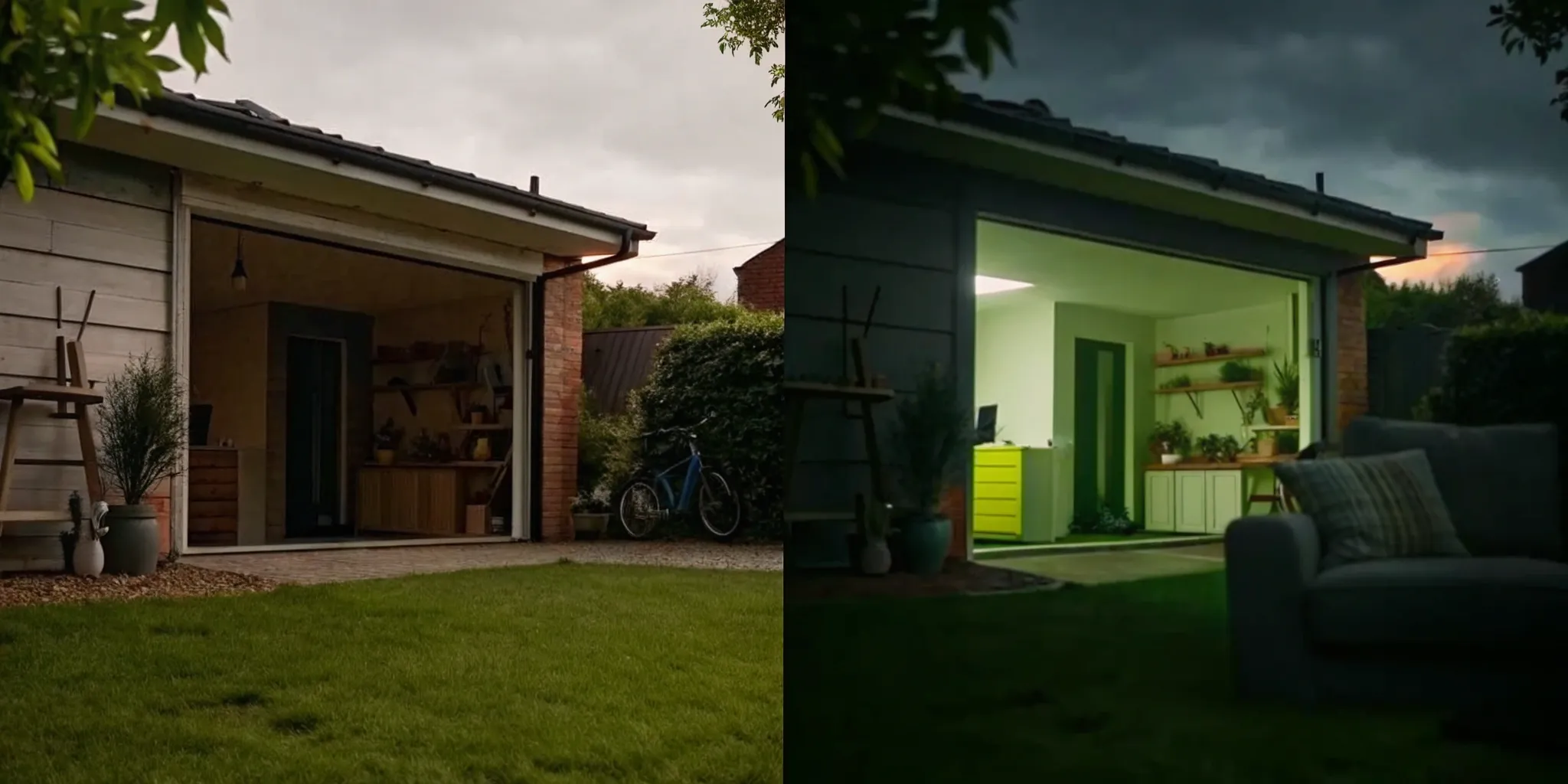
- Inspiring Garage Conversion Ideas: Before and After
- 6 Garage Conversion Floor Plans You'll Love
Frequently Asked Questions
How much should I realistically expect to spend on a garage conversion? The final cost really depends on what you’re creating. A simple home office in a one-car garage might land in the $30,000 to $60,000 range. If you're planning a guest suite with a bathroom and kitchenette in a larger two-car garage, you're likely looking at $60,000 to $100,000 or more. The biggest factors are the complexity of the project and the level of finishes you choose, especially when plumbing and extensive electrical work are involved.
Will a garage conversion actually increase my home's value? Yes, a well-executed and properly permitted garage conversion can definitely add value to your home. You are adding legal, conditioned living space, which is a major factor in property appraisals. To ensure you see that return on investment, it's essential that the work is done to code and the space feels like a natural extension of your home, not just a finished garage.
Do I really have to get a permit to convert my garage? Absolutely. This is one step you cannot skip. A permit ensures that your new living space is safe, with proper exits, ventilation, and electrical wiring. It’s what officially turns a storage area into a legal bedroom, office, or living room. Without the proper permits, you could face fines and have trouble selling your home in the future.
How long does a typical garage conversion take from start to finish? The timeline can vary quite a bit based on the scope of your project. A straightforward conversion without major plumbing might take a few weeks to a month. However, if you're adding a bathroom or kitchenette, you should plan for a longer timeline, likely a couple of months. This accounts for planning, the local permit approval process, construction, and final inspections.
What's the biggest mistake people make when trying to save money on this project? The most common and costly mistake is skimping on the foundational elements you can't see, like insulation and electrical work. It's tempting to cut costs here to save money for nicer floors or furniture, but it's a bad trade-off. Inadequate insulation will make the room uncomfortable and expensive to heat and cool, while improper wiring is a serious safety hazard. It's always smarter to invest in getting the bones of the room right from the start.



















.png)











.png)