The Real Cost to Build an ADU in San Diego
Get the facts on the cost to build an ADU in San Diego, including price ranges, key factors, and tips to help you plan your project with confidence.
|
March 11, 2026

In this article:
Trying to figure out the cost of an ADU can feel like chasing a moving target. Between construction estimates, city fees, and unexpected site issues, it’s easy to feel overwhelmed and worried about your budget spiraling out of control. Many homeowners are caught off guard by "hidden" expenses that weren't in the initial quote. That’s why getting a clear, all-in picture of the cost to build an ADU in San Diego is so important before you begin. This article is designed to be your financial roadmap. We will uncover all the potential costs, from permits to landscaping, and share common budgeting mistakes so you can avoid them and approach your project with clarity and control.
Key Takeaways
- Think of an ADU as a financial asset: Beyond creating more living space, an ADU can generate thousands in monthly rental income and add significant value to your property when it's time to sell.
- Your project type sets the budget: A brand-new detached ADU will cost the most, while converting an existing garage is a more cost-effective option. Remember that site prep and your choice of finishes also play a big part in the final number.
- A solid plan is your best tool for success: Avoid surprises by creating a detailed budget with a 10 to 20% contingency fund, understanding the year-long timeline, and working with professionals who can manage the entire process.
What's an ADU (and Why Does Everyone in San Diego Want One)?
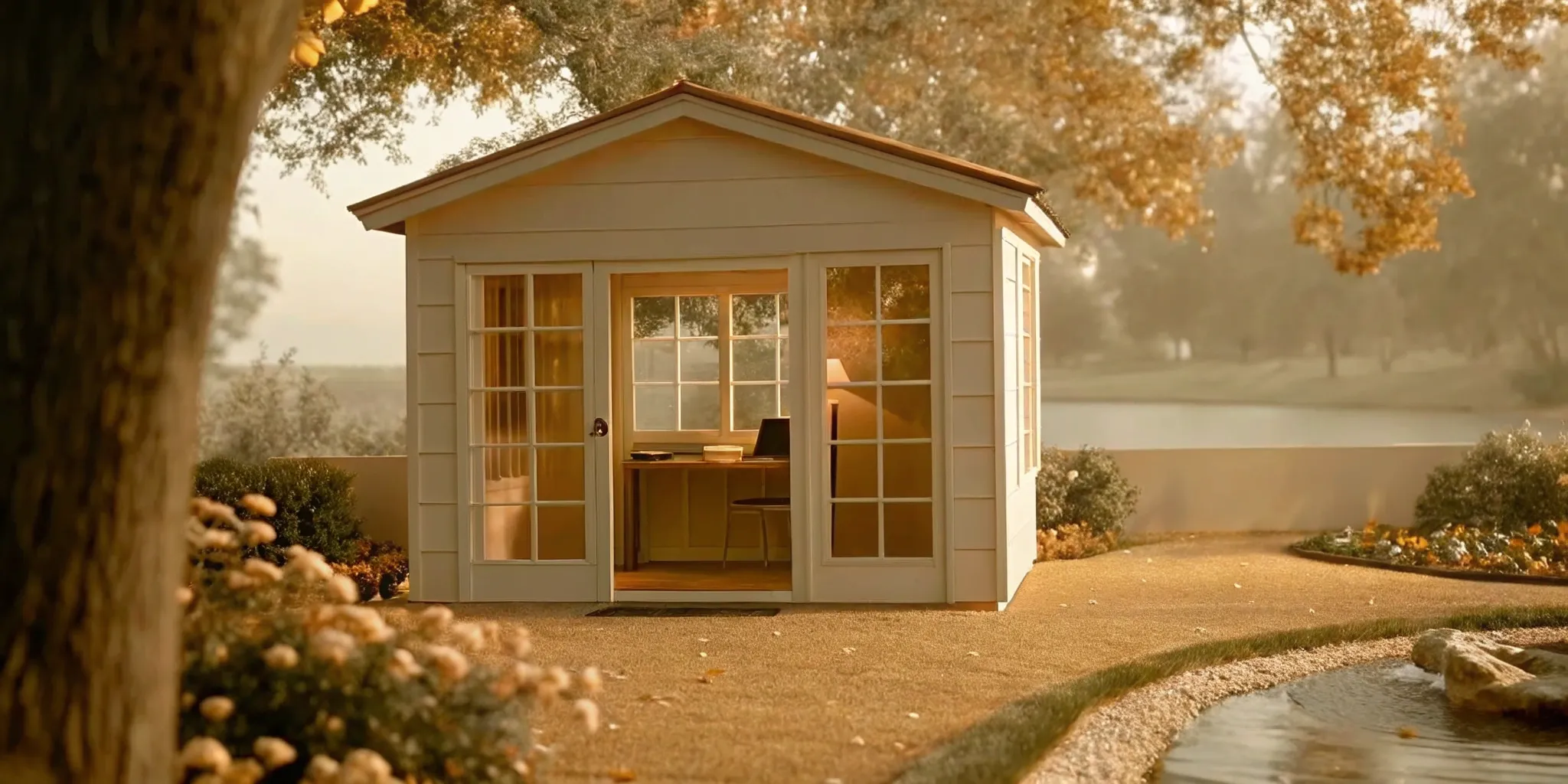
If you live in San Diego, you’ve probably heard your neighbors, friends, or coworkers talking about ADUs. These versatile little homes are popping up in backyards all over the county, and for good reason. An Accessory Dwelling Unit, or ADU, is much more than just a guesthouse or a "granny flat." It’s a powerful tool for homeowners looking to add flexibility, value, and even a new stream of income to their property. Whether you’re dreaming of a dedicated home office, a place for your parents to live comfortably nearby, or a rental unit to help with your mortgage, an ADU can be the answer. Let’s break down what they are and why they’ve become so popular.
So, What Exactly Is an Accessory Dwelling Unit?
At its core, an Accessory Dwelling Unit is a complete, self-contained home that sits on the same lot as your primary residence. Think of it as a smaller, secondary house with its own kitchen, bathroom, and living space. This isn't just a spare room; it's a fully functional dwelling. ADUs come in all shapes and sizes, from brand-new detached backyard cottages to cleverly converted garages or basements. You can even build them as additions attached to your main house. The key is that they provide a separate living area, giving you incredible flexibility for how you use your property. Understanding your options is the first step in creating a customized plan for your home.
A Smart Solution to the Housing Shortage
ADUs are more than just a personal home improvement project; they're a key part of the solution to California's housing crunch. In cities like San Diego, where housing is in high demand, ADUs add much-needed rental units to the market without drastically changing the character of a neighborhood. For homeowners, this presents a unique opportunity to contribute positively while also meeting their own family's needs. Many people build ADUs to create a space for aging parents or for adult children saving up for their own home. It’s a practical way to support multigenerational living while making your property more valuable and versatile for the future.
Your Ticket to Extra Rental Income
Let’s talk about one of the biggest reasons San Diegans are building ADUs: rental income. Creating a rental unit in your backyard can be a fantastic financial move. In San Diego, a well-designed ADU can generate anywhere from $2,000 to $3,500 per month, and sometimes even more depending on the location, size, and amenities. This consistent income can help pay off the construction costs, cover a significant portion of your mortgage, or simply fund your other life goals. It’s a tangible way to turn your property into an asset that actively works for you. When you partner with an expert, you can ensure your project is a sound investment from the start.
The Big Question: How Much Does an ADU Cost in San Diego?
Let's get straight to it: you want to know the bottom line. Building an Accessory Dwelling Unit (ADU) in San Diego is a significant investment, and the final price tag can vary quite a bit. Generally, you can expect the total cost to fall somewhere between $200,000 and $450,000. That’s a wide range, I know, and it’s because the final number really depends on what you’re building and the specifics of your property.
Think of it like buying a car. A basic sedan and a luxury SUV are both cars, but their prices are worlds apart because of features, materials, and engineering. The same goes for ADUs. The specific type of unit you choose, the condition of your property, the materials you select, and the complexity of the design all play a huge role in the final cost. For example, a project on a sloped lot will require more site work than one on a flat, clear lot. High-end finishes will naturally cost more than standard ones. The permitting process with the city also contributes to the overall cost and timeline. Understanding these key pieces from the start will help you create a realistic budget and turn your ADU dream into a reality without any major financial surprises down the road.
Breaking Down Costs by ADU Type
The type of ADU you build is the biggest factor in your total cost. A brand-new, detached unit in your backyard will naturally cost more than converting your existing garage. Here’s a quick look at what you can expect for different ADU styles in San Diego:
- Detached ADU: These are standalone backyard homes. You’re looking at roughly $350 to $500 per square foot, with total project costs often landing between $262,000 and $460,000.
- Attached ADU: This type of unit shares a wall with your main house. The cost is a bit lower, around $200 to $350 per square foot, for a total of $160,000 to $280,000.
- Conversion ADU: Transforming an existing space like a garage or basement is a popular option. This typically runs from $150 to $350 per square foot, with final costs between $100,000 and $210,000.
The Truth About Per-Square-Foot Pricing
You’ll hear a lot about per-square-foot pricing, but it can be a little misleading with ADUs. It’s tempting to compare it to the cost of a larger home, but ADUs often have a higher per-square-foot cost. Why? Because every single ADU, no matter how small, needs high-ticket items like a kitchen and a bathroom. These expensive rooms, along with fixed project costs for things like design plans and site prep, are spread across a much smaller footprint. This makes the per-square-foot number seem high, but it’s a normal part of any ADU construction budget. It’s more helpful to look at the total project cost from start to finish.
What to Expect for Your Total Investment
So, what’s a realistic all-in number? Most homeowners in San Diego find their total investment lands somewhere between $150,000 and $300,000, but it can certainly go higher. One local homeowner shared that their 590-square-foot ADU cost over $327,000 after including upgrades like new roofing and landscaping. Without those extras, the core build was closer to $290,000. To help manage expenses, the City of San Diego offers a set of pre-approved ADU designs. Using one of these plans can save you thousands in design fees and speed up your permit approval time, getting your project off the ground faster.
How Different ADU Types Affect Your Budget
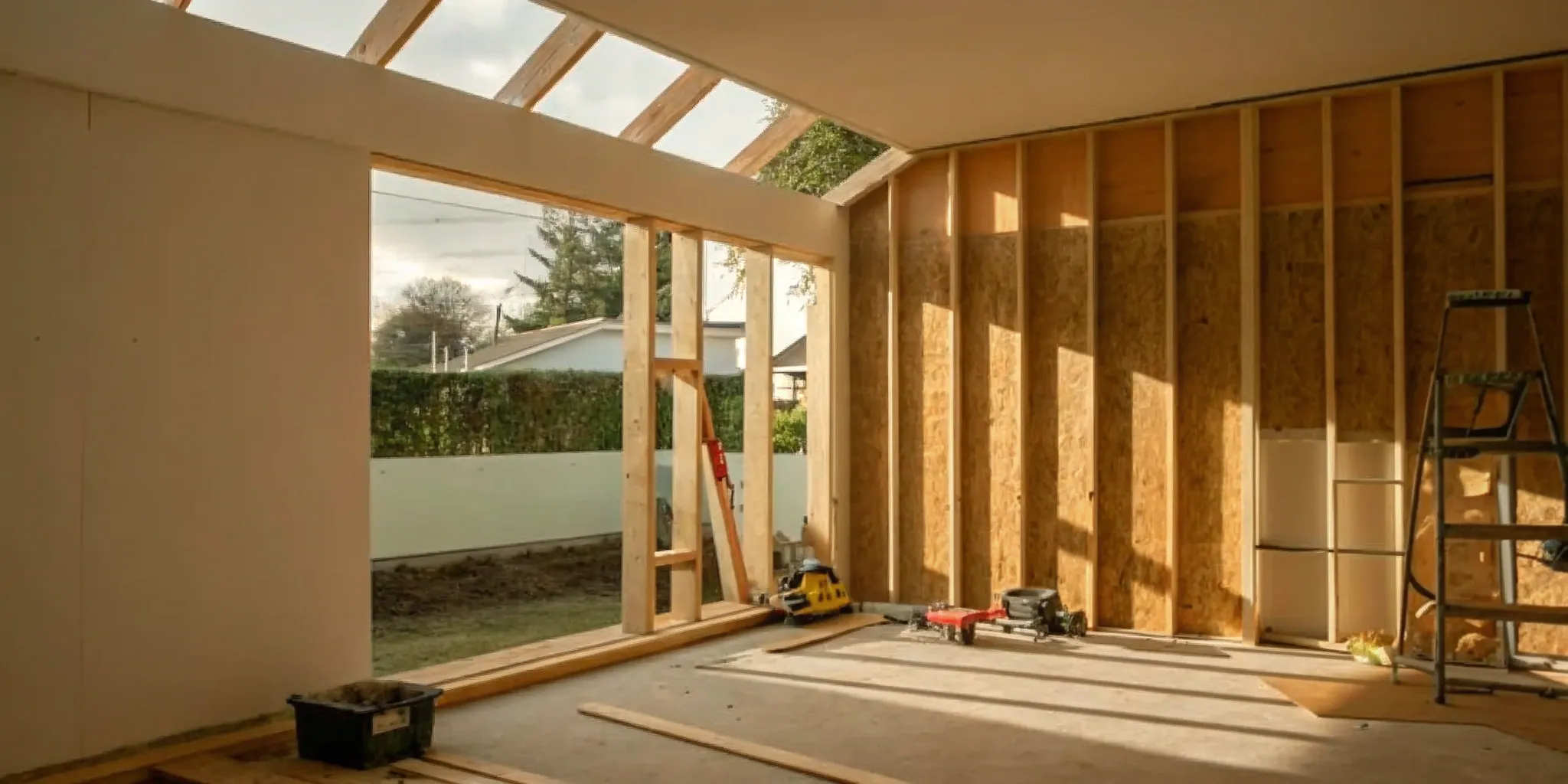
The type of ADU you choose to build is the single biggest factor that will shape your budget. Are you dreaming of a standalone backyard cottage, or are you thinking of converting that dusty garage into a livable space? Each path comes with a very different price tag. A brand-new detached unit requires a foundation, four walls, a roof, and all new utility connections from scratch, making it the most significant investment. On the other hand, working within the footprint of your existing home or garage can save you a considerable amount on structural costs.
To give you a clearer picture, let's walk through the four main types of ADUs and their typical cost ranges in San Diego. Remember, these are all-in estimates that cover everything from design and permits to construction and finishes. Having a customized plan from the start is the best way to understand which option fits your property, your goals, and your wallet. Think of this as your starting point for figuring out what’s possible in your own backyard.
The Cost of a Detached ADU
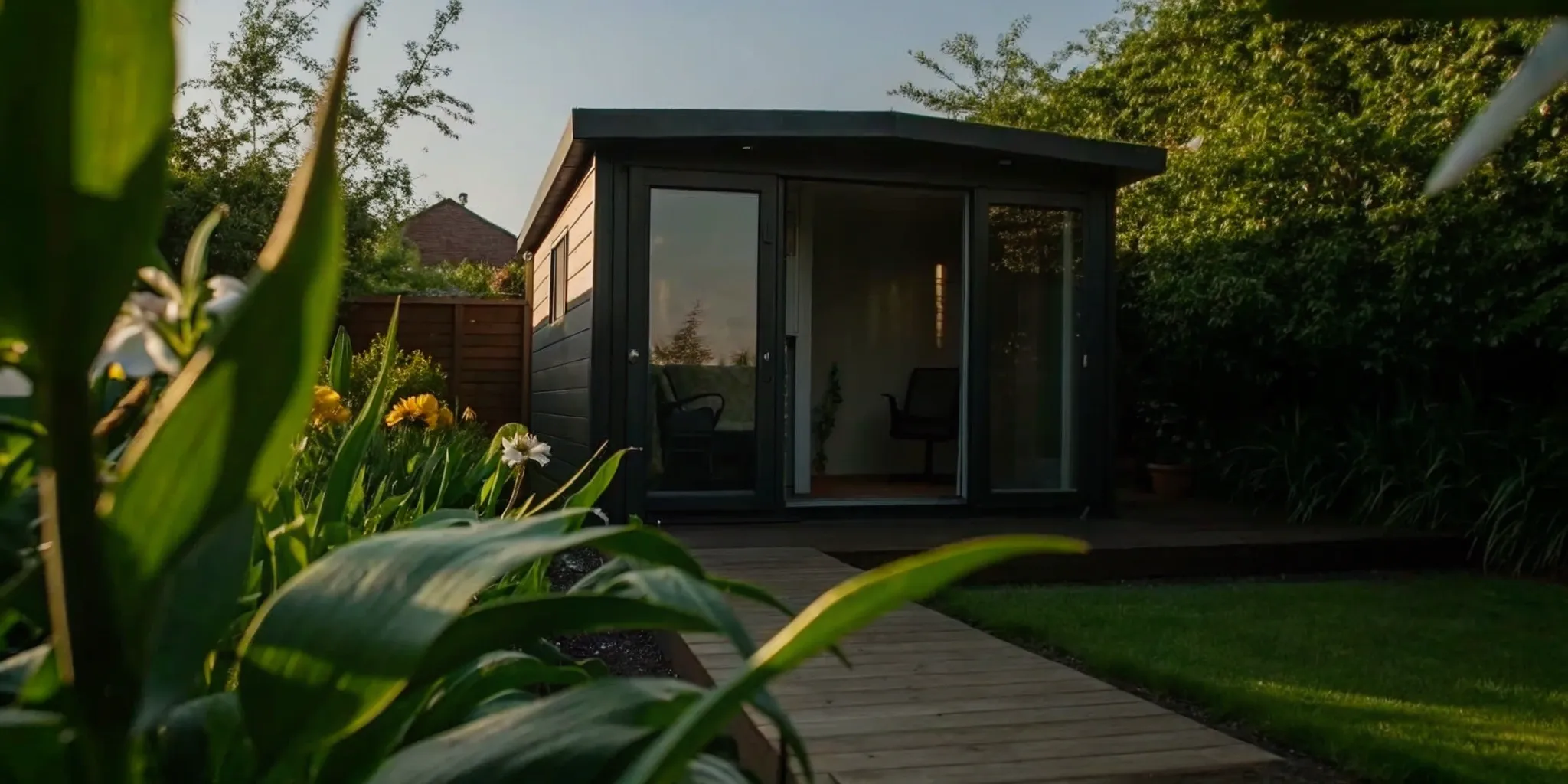
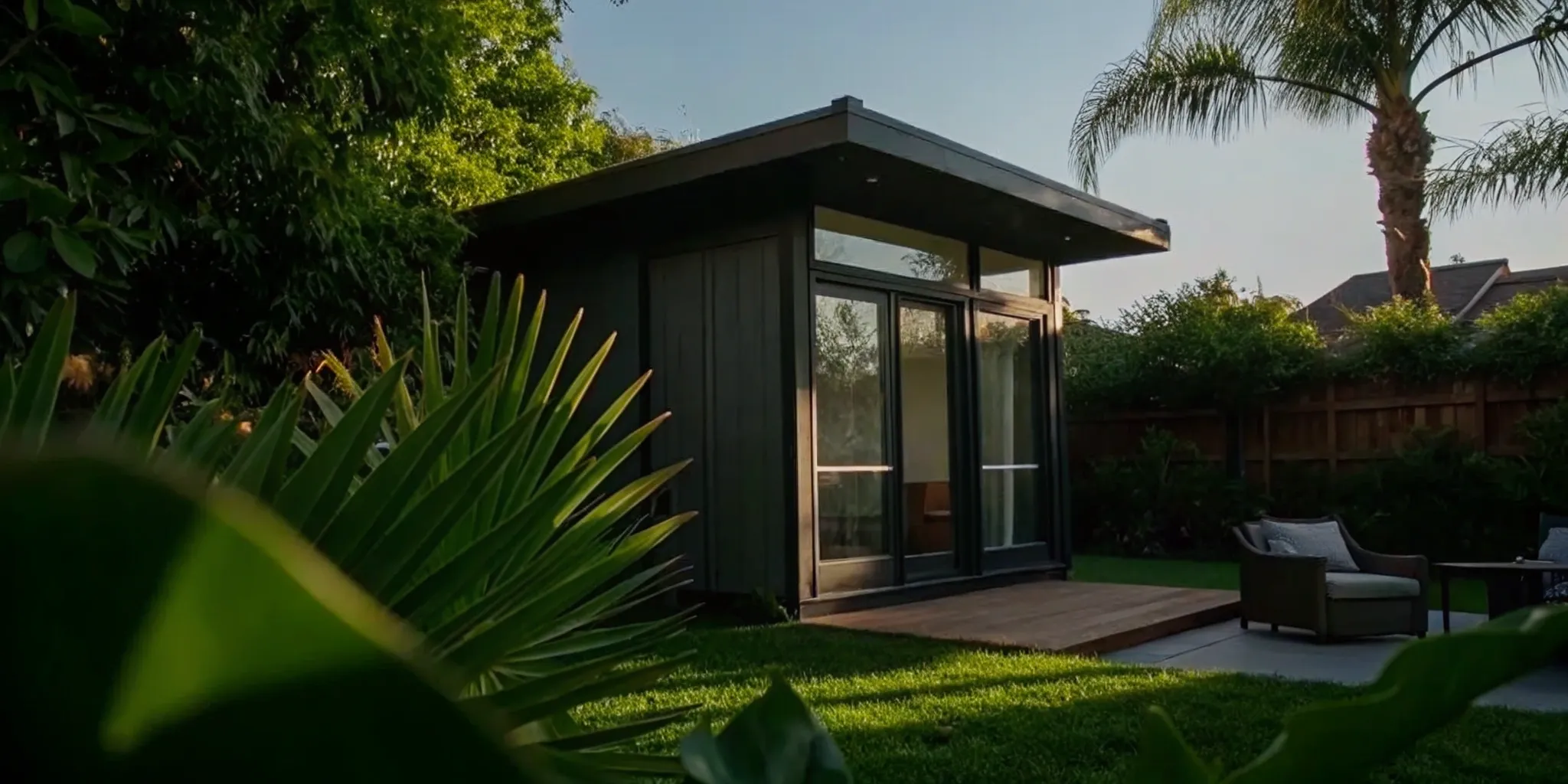
A detached ADU is a brand-new, standalone home built in your backyard. It offers the most privacy and flexibility, making it a popular choice for rental units or housing for family members. Because you’re building an entirely new structure from the ground up, this is the most expensive option. In San Diego, you can expect the all-in cost for a detached ADU to range from $375 to over $600 per square foot. For a typical 500 to 1,200-square-foot unit, this means your total project cost will likely be the highest of all ADU types, but it also adds the most significant value to your property.
The Cost of a Garage Conversion
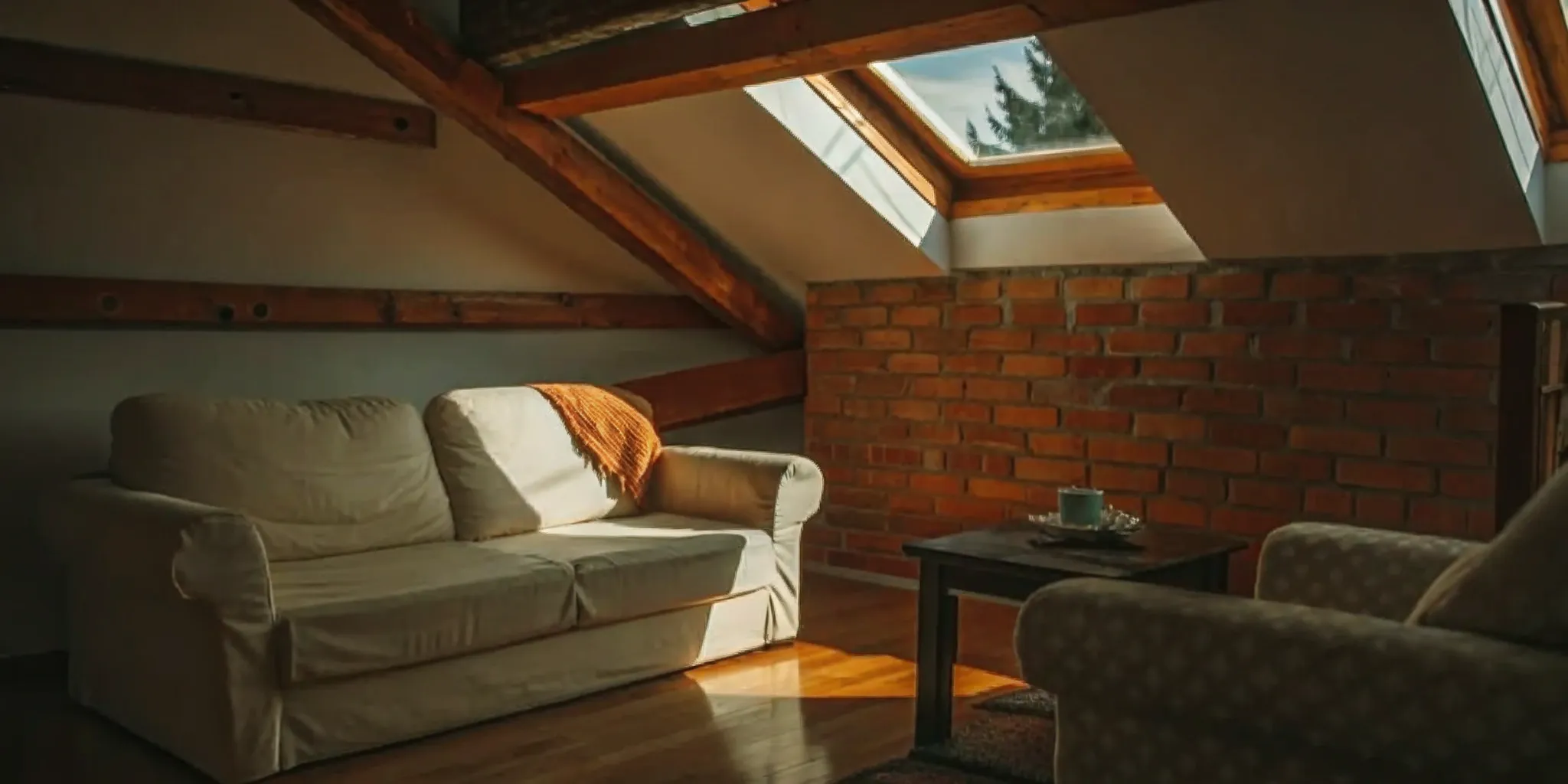
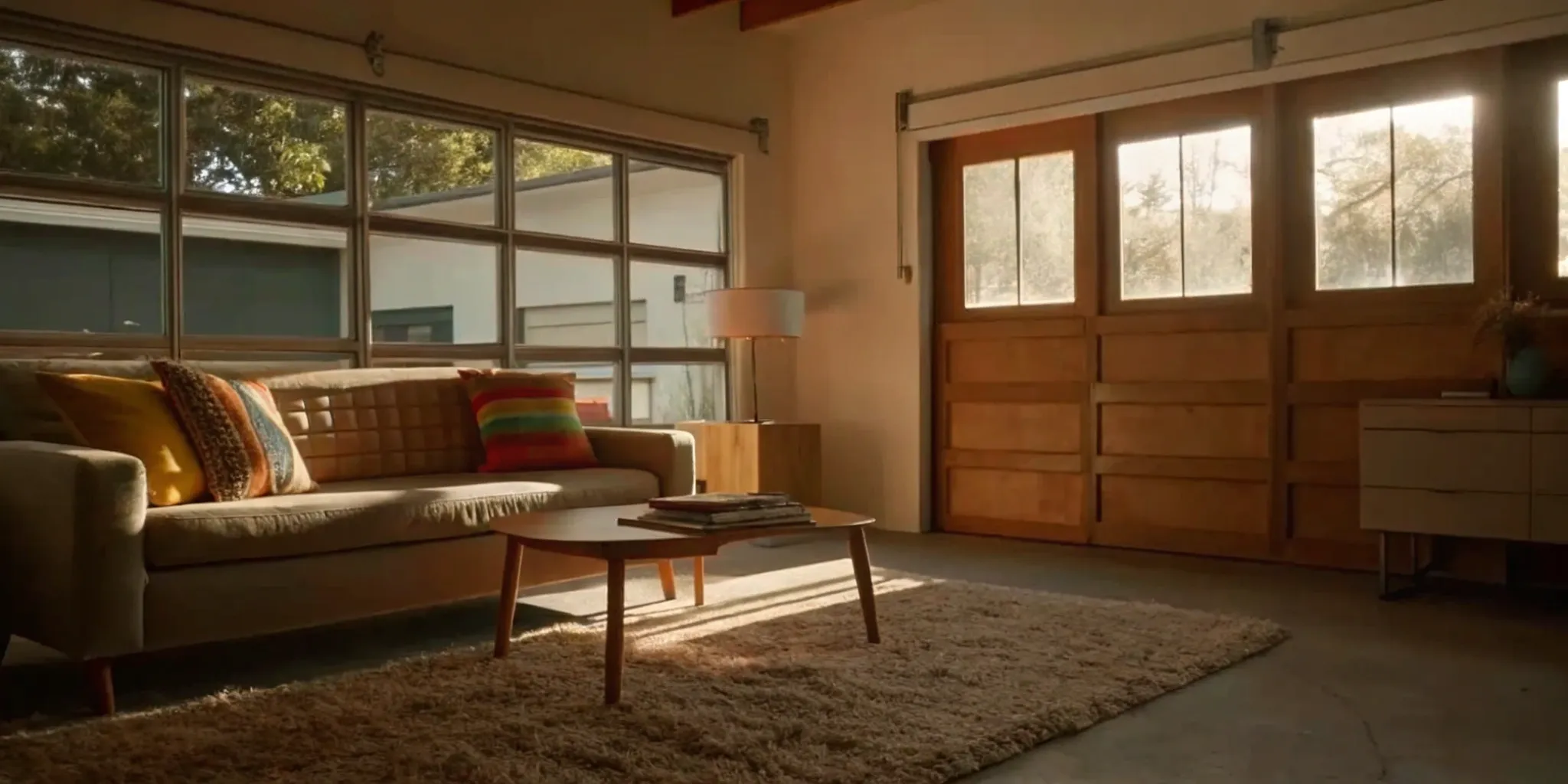
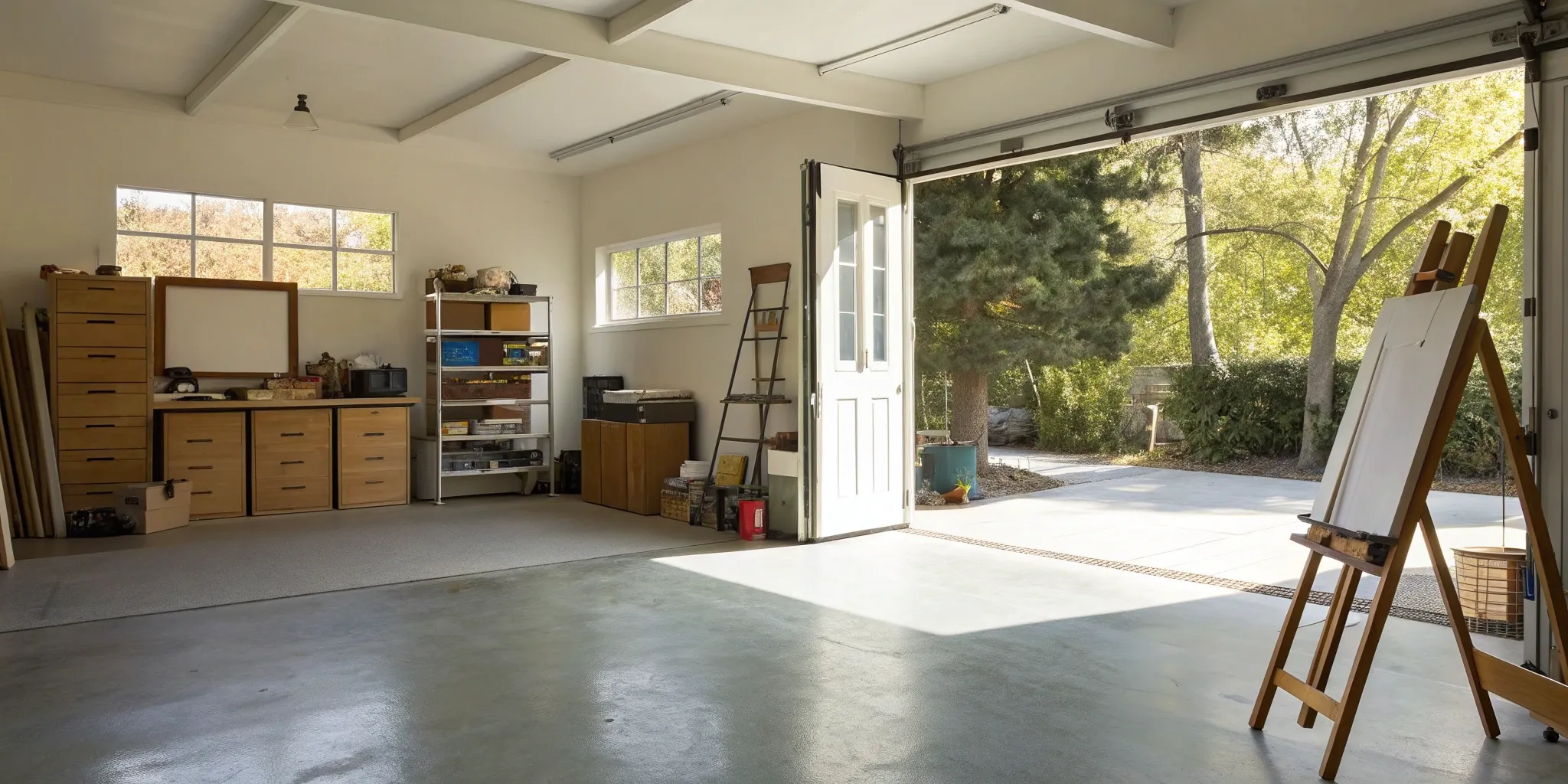
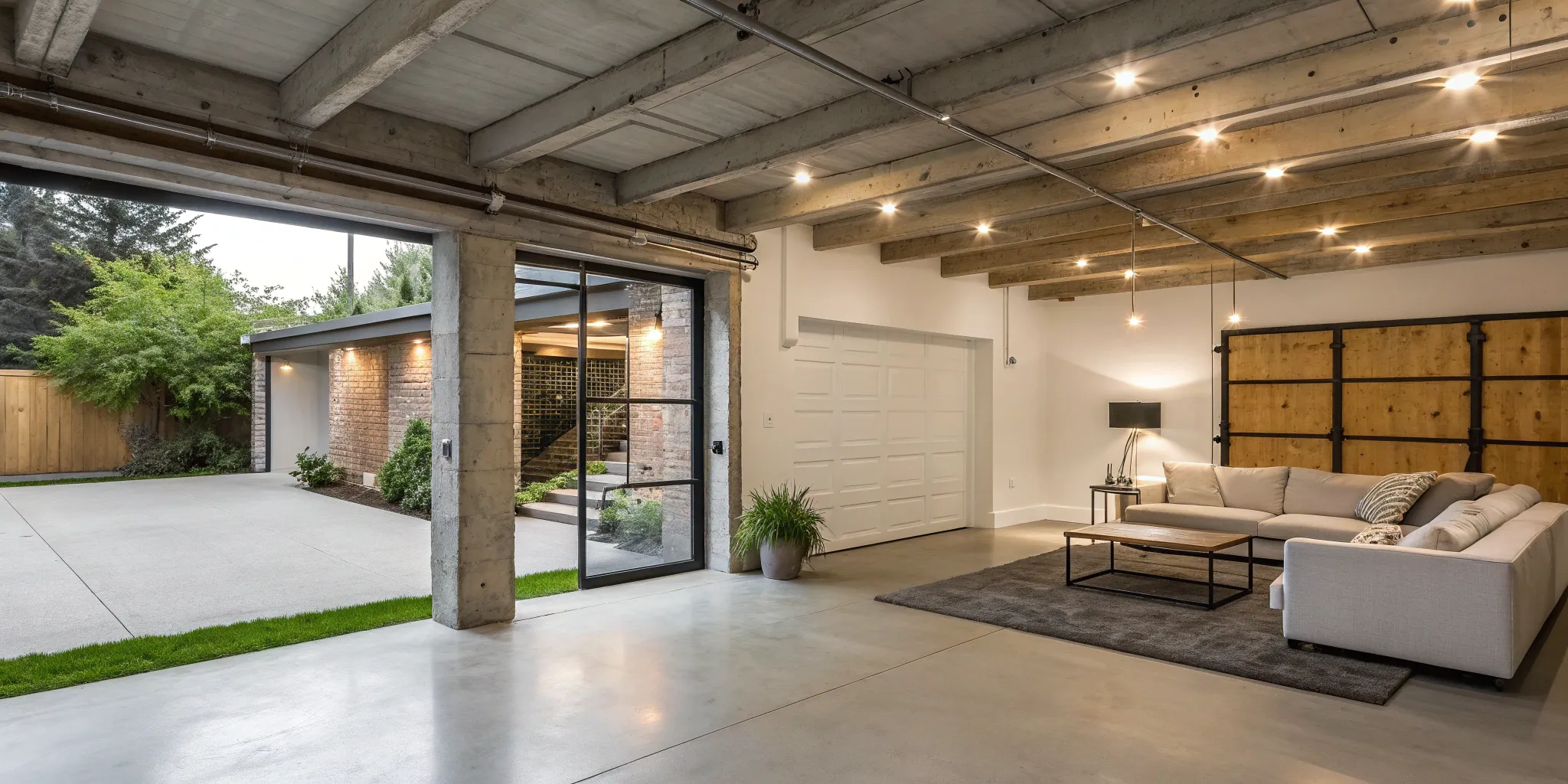
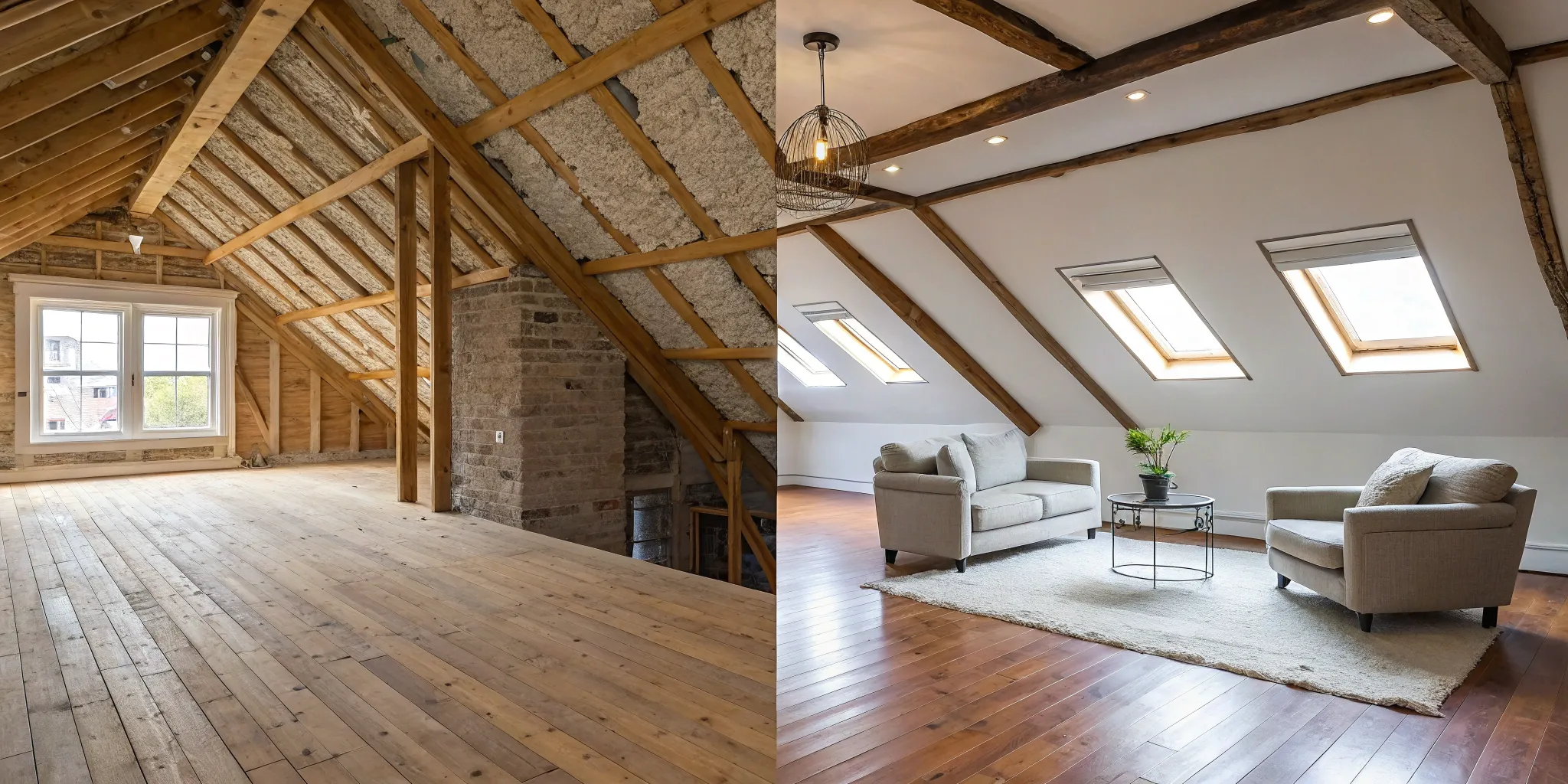
If you have an underused garage, converting it into an ADU is one of the most cost-effective ways to add a living space. Since you’re using an existing structure, you save a lot on foundation and framing costs. This also tends to be a faster project. The typical construction cost for a garage conversion runs between $150 and $350 per square foot. For a standard two-car garage (around 400-600 square feet), your total project cost could land between $100,000 and $210,000. Just remember that you’ll still need to budget for insulation, plumbing, electrical, and high-quality finishes to make it a comfortable home.
The Cost of an Attached ADU
An attached ADU is essentially a home addition that shares at least one wall with your primary residence. This option strikes a nice balance between cost and functionality. It’s generally less expensive than a detached unit because you can often tie directly into your home's existing plumbing and electrical systems. In San Diego, an attached ADU typically costs between $200 and $350 per square foot. For a 500 to 800-square-foot addition, this puts the total project cost in the range of $160,000 to $280,000. It’s a great way to add space while maintaining a seamless connection to your main house, and a dedicated advisor can help you manage the complexities of connecting the two structures.
The Cost of a Junior ADU (JADU)
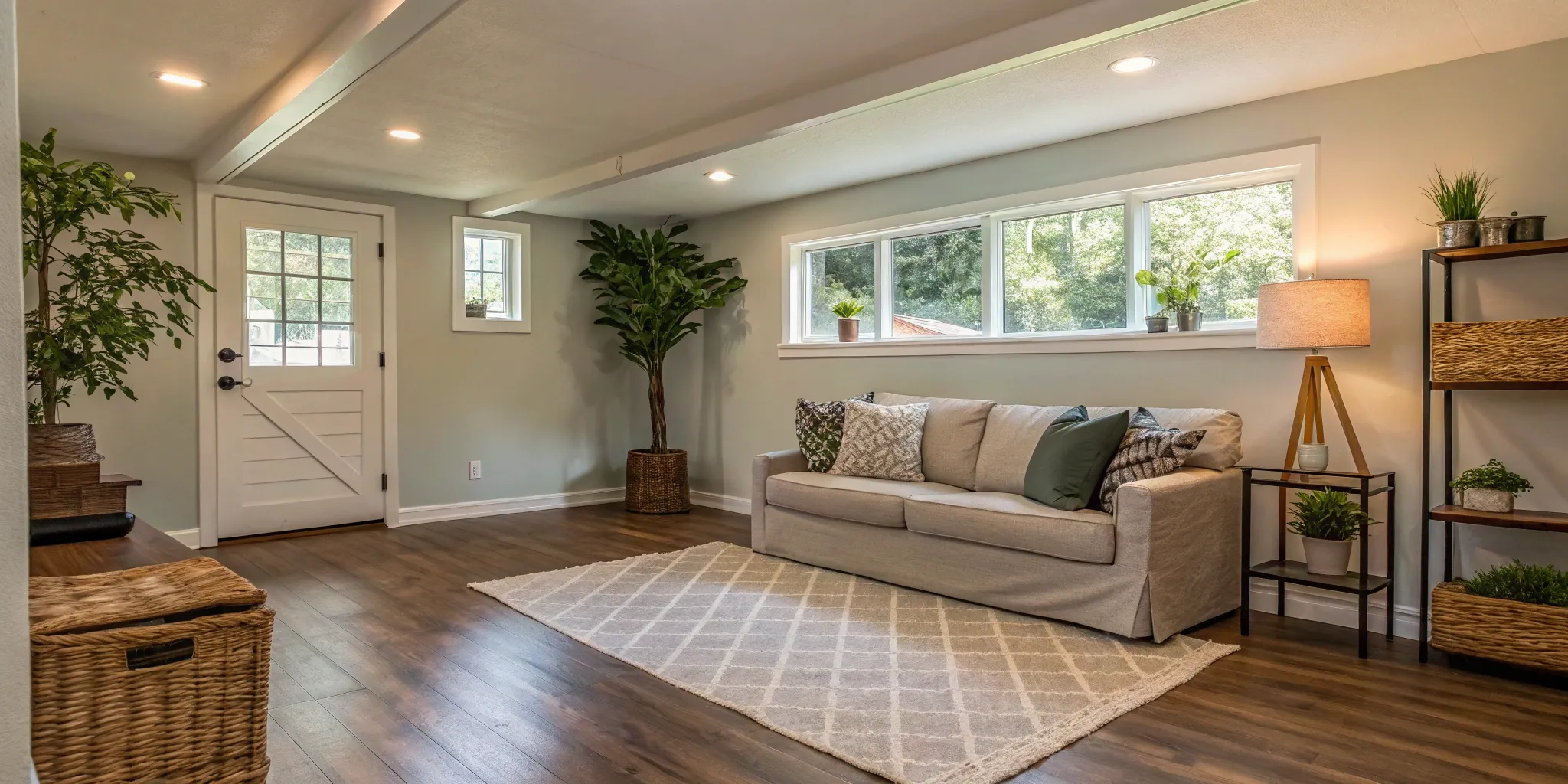
A Junior ADU, or JADU, is the most budget-friendly option. This involves creating a small living unit (up to 500 square feet) within your existing home, like converting a spare bedroom or a section of your basement. Because you aren't building a new structure, the costs are significantly lower, typically ranging from $150 to $200 per square foot. This puts the total project cost for a 300 to 500-square-foot JADU between $90,000 and $200,000. While JADUs have some limitations, like requiring an exterior entrance and a simple kitchenette, they are an incredibly efficient way to add a rental unit or private suite.
Key Factors That Influence Your Final Cost
While it’s helpful to know the average cost of an ADU, your final price tag will come down to the specific details of your project. Several key factors can cause your budget to swing in one direction or the other. Understanding these variables from the start helps you create a more realistic budget and make informed decisions with your contractor. Let's break down the main cost drivers you'll need to consider.
Your Property's Site and Utilities
Before any construction begins, your property needs to be ready. The condition of your lot plays a huge role in your budget. Is your backyard flat, or is it on a slope that needs grading? Do you have easy access for construction equipment? One of the biggest site-related expenses is connecting utilities. For example, trenching to run new water and electrical lines to the back of a property can easily add $14,000 or more to your total. A Realm project advisor can help you assess these site-specific needs early on to avoid surprises.
The Size and Complexity of Your Design
It makes sense that a larger ADU costs more than a smaller one, but size isn't the only factor. The complexity of your design is just as important. A simple, rectangular floor plan will be more affordable than a custom design with multiple corners, vaulted ceilings, or a second story. In San Diego, building an ADU can range from $200,000 to over $450,000, with costs often falling between $375 and $600 per square foot. This range reflects differences in design, site conditions, and the entire permitting process, all of which contribute to the final number.
Your Choice of Materials and Finishes
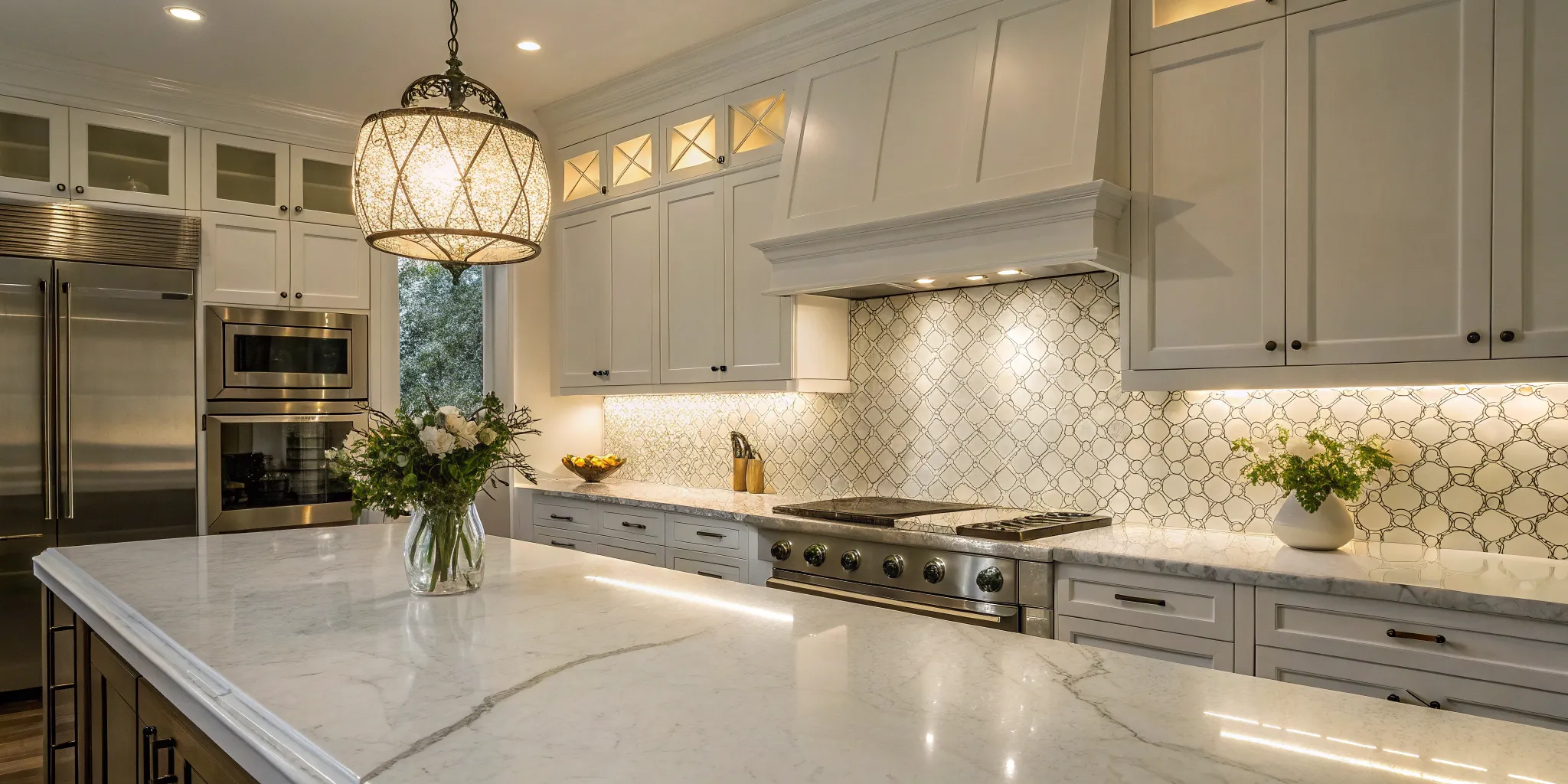
This is where you have the most control over your budget. The materials and finishes you choose for your ADU can dramatically affect the cost. Think quartz countertops versus laminate, or custom tile versus vinyl flooring. ADUs often have a higher cost per square foot than larger homes because they pack expensive rooms, like a kitchen and bathroom, into a small space. These fixed costs don't shrink much with the overall size. Making thoughtful choices about everything from appliances to light fixtures is key to keeping your project on track financially and creating a space you'll love.
Local Labor and Market Rates
You can’t build an ADU without a great team, and local labor rates are a major part of your budget. San Diego is a competitive market, and the cost of skilled labor reflects that. Construction costs in California have also been rising steadily. To put it in perspective, one analysis showed that an ADU that cost $300,000 in early 2021 would cost around $430,000 by 2026 due to these trends. That's why it's so important to work with vetted professionals who provide clear, detailed estimates that account for current market conditions, ensuring you get fair pricing and quality work.
Don't Forget These "Hidden" ADU Costs
When you get a quote for your ADU, it’s easy to focus on the big number. But the total cost is more than just construction. Several other expenses, often called "soft costs," are essential for getting your project from an idea to a move-in-ready home. Thinking about these from the start is the best way to create a realistic budget and avoid surprises down the road. Let's walk through the most common ones so you know exactly what to plan for.
Handling Permits and City Fees
Before any construction begins, you’ll need to get your plans approved by the city. This involves submitting architectural drawings and engineering plans, which comes with a set of fees. In San Diego, city permit fees can range from a few hundred to a few thousand dollars, plus the cost of inspections at various stages of the project. While it might feel like just another expense, this process ensures your ADU is safe, up to code, and legally built. Working with a contractor or design-build firm that handles permitting for you can make this step much smoother.
Connecting New Utilities
Your new ADU needs its own water, sewer, and electricity, and connecting them isn't always simple. If your ADU is detached and located in your backyard, you'll need to run new utility lines from the main house or the street. This process, which often involves digging a trench across your property, can be a major expense. In fact, trenching for utilities can easily add $14,000 or more to your budget, depending on the distance and complexity. It’s a critical cost to factor in early, especially when deciding where to place the unit on your lot.
Prepping Your Site and Landscaping
The condition of your property plays a huge role in the final cost. A perfectly flat, accessible lot is the ideal scenario, but many San Diego properties have slopes or other challenges. Preparing the site might involve grading the land, removing trees, or building retaining walls. A challenging property can add tens of thousands of dollars to your project for site work alone. And don't forget about the aftermath. Once construction is done, you’ll want to budget for landscaping to restore your yard, which can include new sod, plants, or pathways.
Finishing Touches: Appliances and Interiors
The final step is turning the empty structure into a livable home. This is where you’ll select everything from kitchen appliances and cabinets to flooring, paint, and light fixtures. These costs can vary widely based on your taste and the quality of materials you choose. While it's tempting to cut corners here, remember that quality finishes can make the space more durable and appealing to renters. Since a well-designed ADU can generate significant rental income in San Diego, investing in attractive and functional interiors is often a smart financial move.
Common Budgeting Mistakes to Avoid
Building an ADU is an exciting project, but it’s easy to get tripped up by unexpected costs if you aren’t prepared. A solid budget is your best friend throughout this process, and knowing where others have gone wrong can save you a lot of stress and money. Think of it this way: the more you know upfront, the smoother your project will go. From underestimating the total price tag to forgetting about long-term upkeep, a few common pitfalls can catch homeowners by surprise.
The good news is that these mistakes are entirely avoidable with a bit of foresight and planning. It’s not about being pessimistic; it’s about being realistic so you can create a financial plan that holds up from the first sketch to the final walkthrough. Having an expert in your corner, like a dedicated Realm advisor, can help you see the full picture and build a budget that covers all your bases. Let’s walk through the most common budgeting mistakes so you can steer clear of them.
Underestimating the All-In Project Cost
It’s common to hear stories or read articles suggesting you can build an ADU for a surprisingly low number, like $150,000. While it’s true that recent state laws have made ADU construction easier, that doesn’t mean you can just start building in your backyard without approvals and a realistic budget. The "all-in" cost goes far beyond the construction itself. It includes architectural design, structural engineering, city permit fees, soil reports, site preparation, and utility connections. When you get an initial estimate, make sure you understand exactly what it covers so you can account for everything else. A complete budget leaves no room for last-minute surprises that could derail your project.
Forgetting About Utility Hookup Fees
Many homeowners get sticker shock when they find out how much it costs to install separate utility meters and connect their ADU to water, sewer, and power lines. These fees can add thousands, sometimes tens of thousands, of dollars to your project, depending on your property and the city’s requirements. If your ADU is far from the main house’s utility connections, you may have to pay for extensive trenching. Getting a clear estimate for these hookups early in the planning process is crucial for creating an accurate budget and avoiding a major financial surprise down the road. Don't let this be the line item that catches you off guard.
Not Planning for Future Maintenance
When you’re focused on the excitement of building, it’s easy to forget that an ADU is a small home that will require ongoing care. Many homeowners focus only on their current needs, but thinking ahead can save you money in the long run. Choosing durable, low-maintenance materials for things like siding, roofing, and flooring might have a slightly higher upfront cost, but it can reduce your repair bills for years to come. It’s also smart to consider how the ADU’s use might evolve, ensuring the design is flexible enough for future possibilities. A little extra thought now can lead to significant savings and convenience later.
Setting Unrealistic Timelines
Time is money in construction, and an unrealistic schedule can lead to rushed decisions and costly mistakes. A detached ADU is not a quick project. Even with good planning, the entire design, permit, and build process can easily take close to a year. The permitting phase alone can take several months, depending on your city’s backlog. Building a realistic timeline with your contractor helps manage your own expectations and ensures there’s enough buffer for the unexpected delays that can pop up in any construction project. This prevents the stress and added costs that come with trying to hurry the process.
Smart Ways to Keep Your ADU Project on Budget
Building an ADU is an exciting project, but it's also a major financial undertaking. The last thing you want is for costs to spiral out of control, turning your dream project into a stressful ordeal. Many homeowners get caught off guard by unexpected expenses, but it doesn't have to be that way. With some smart planning, you can keep your project on track and avoid those dreaded budget surprises. Think of your budget not as a restriction, but as a roadmap to success. It empowers you to make informed decisions, allocate funds where they matter most, and maintain control from start to finish.
It all comes down to being proactive from the very beginning. The strategies that follow aren't complicated, but they do require diligence. By focusing on getting clear estimates, partnering with the right experts, and building in a financial safety net, you can confidently manage your investment. These steps will help you create a realistic financial plan that accounts for the full scope of the work, from initial designs to the final coat of paint. This approach allows you to bring your ADU vision to life without the stress of going over budget.
Get Detailed, All-Inclusive Estimates
A vague estimate is a red flag. To truly understand the investment, you need a detailed, itemized bid that breaks down every aspect of the project. In San Diego, a typical ADU project can range from $200,000 to over $450,000, so it’s critical to know exactly where that money is going. Don't settle for a single number. Ask potential contractors for a comprehensive breakdown that includes costs for design, permits, site preparation, labor, materials, and finishes. A thorough estimate shows that a builder has carefully considered your project and is less likely to hit you with unexpected charges later on.
Partner with Experienced Professionals
Working with a team that specializes in ADUs is one of the smartest moves you can make. These professionals understand the unique challenges and regulations that come with these projects. An experienced architect or builder can offer design solutions that maximize your space and budget, helping you avoid costly mistakes before construction even begins. They can also anticipate potential issues with your property, like tricky soil conditions or utility connections, and plan for them ahead of time. Having an expert guide you through the process provides peace of mind and is invaluable for keeping your project on schedule and within budget.
Build in a Contingency Fund
Even with the most careful planning, unexpected costs can pop up during a renovation. That’s why a contingency fund is non-negotiable. This is a portion of your budget, typically 10% to 20% of the total construction cost, set aside specifically for unforeseen expenses. This fund could cover anything from a sudden increase in material prices to addressing an unexpected issue found during demolition. It also gives you the flexibility to make small upgrades along the way. Think of it as a financial safety net that protects your project and prevents you from having to pause construction or cut corners on important finishes.
Know Your Local Zoning Rules Upfront
Navigating San Diego’s local zoning laws and building codes can be complex, and getting it wrong can lead to expensive delays and redesigns. Before you get too far into the design process, it’s essential to confirm what you can legally build on your property. A project feasibility analysis can help you understand the specific rules for your lot, including size limitations, height restrictions, and setback requirements. Investing a little time and money in this upfront research ensures your project starts on the right foot and sails smoothly through the city’s permitting process.
How to Finance Your San Diego ADU
Once you have a realistic budget, the next big question is how to pay for your ADU. This step can feel intimidating, but it’s really about finding the right financial tool for the job. For most homeowners, this means either taking out a loan or using the value you’ve already built in your home. The best choice depends entirely on your personal finances, your project’s total cost, and what you’re comfortable with. The goal is to create a financing plan that covers the entire scope of construction so you can avoid surprises and keep your build on track from start to finish.
Think of it as creating a financial roadmap before the first shovel hits the ground. You might look into a traditional construction loan, tap into your home’s equity, or even refinance your current mortgage. Each path has its own pros and cons, so it’s smart to weigh them carefully. A solid financing strategy is just as important as a solid foundation for your new ADU, and getting it right sets you up for a much smoother process.
Exploring Construction and Personal Loans
When you’re building from the ground up, a construction loan can be a great fit. These are short-term loans designed specifically to cover the costs of a new build, including materials, labor, and permits. The funds are typically released in stages as your project hits key milestones, which helps keep everything on track. This ensures the money is being used as intended throughout the construction process.
Another route is a personal loan. These are usually unsecured, meaning you don’t have to use your home as collateral. This can be an appealing option for smaller ADU projects or for homeowners who don’t have a lot of equity built up. Just keep in mind that personal loans often come with higher interest rates and lower borrowing limits than other loan options.
Using a Home Equity Line of Credit (HELOC)
If you’ve been in your home for a while, you’ve likely built up some valuable equity. A Home Equity Line of Credit, or HELOC, lets you borrow against that value. It works like a credit card with a set limit, allowing you to draw funds as you need them during the project. This flexibility is perfect for renovations, where unexpected costs can pop up. You only pay interest on the amount you actually use.
For many California homeowners, the ability to finance an ADU using home equity makes the project possible. Plus, once your ADU is complete and generating rental income, that extra cash flow can help you pay down the line of credit more quickly.
Considering a Cash-Out Refinance
A cash-out refinance is another popular way to fund an ADU. With this option, you replace your current mortgage with a new, larger loan. You then receive the difference between the two loans in a lump-sum cash payment, which you can use to pay for your entire ADU project. This essentially rolls the cost of your ADU into a single, long-term mortgage payment.
This can be one of the most straightforward ADU financing options, especially if you can secure a lower interest rate than your current one. It simplifies your finances into one monthly payment and gives you all the cash you need upfront, so you can manage payments to your contractor with confidence.
Planning Your Project Timeline
Building an ADU is an exciting prospect, but it’s important to go in with a realistic understanding of the timeline. From initial sketches to the final coat of paint, the entire process can easily take the better part of a year. This isn't a project you can rush. The timeline is made up of three main phases: design, permitting, and construction. Each stage has its own pace and potential for delays.
Thinking through the entire schedule from the start helps you set clear expectations and avoid frustrating surprises. For example, the design and permitting phases often take much longer than homeowners anticipate, sometimes lasting several months before a single shovel hits the ground. Understanding these steps is the first move toward a successful build. A well-managed timeline not only keeps your stress levels down but also helps control your budget by preventing costly delays. At Realm, your dedicated advisor helps you map out a realistic schedule and keeps your project moving forward, so you always know what to expect next.
How Long Do Design and Permitting Take?
Patience is key during the design and permitting phase. This is often the longest part of the ADU journey, typically taking anywhere from four to six months, and sometimes longer depending on your city's workload. First, you'll work with a designer or architect to create the plans for your new space. Once you've finalized the design, those plans are submitted to the city's building department for review.
This review process is where things can slow down. The city officials check your plans against local zoning laws and building codes to ensure everything is safe and compliant. They might come back with requests for revisions, which adds more time. Getting your project plan right from the start with expert guidance can help minimize these back-and-forths and streamline your approval process.
What Affects the Construction Schedule?
Once you have your permits, the construction phase can begin. This stage typically lasts between six and nine months, but several factors can stretch that timeline. One of the biggest hurdles is not fully understanding local zoning laws before you start. This can lead to unexpected changes and delays down the road.
Other factors that influence the schedule include the complexity of your design, the availability of your contractor, and the weather. A simple garage conversion will naturally be faster than a custom two-story detached ADU. Finding and scheduling a great contractor can also take time, as the best ones are often booked months in advance. Finally, unexpected site conditions, like discovering poor soil quality, can also add time and cost to your project.
How Seasons and the Market Impact Costs
The time of year you choose to build can affect both your timeline and your budget. For instance, starting construction during the rainy season can lead to weather-related delays, pushing back your completion date. On the other hand, contractors are often busiest during the spring and summer, which can mean higher labor costs and less availability.
Market conditions also play a big role. The demand for materials and labor fluctuates, which can impact pricing. When construction is booming in San Diego, the cost of lumber, concrete, and skilled labor can rise. Planning your build during a slightly slower season might save you some money. An expert can provide insight into current market trends, helping you time your project to get the best value.
Is Building an ADU a Good Investment?
An ADU is a significant project, so it’s completely normal to ask if the financial return is worth the upfront cost. You’re investing a lot of time, energy, and money, and you want to be sure it will pay off. For many homeowners, the answer is a clear yes. An accessory dwelling unit is more than just extra space; it’s a versatile asset that can generate income, add substantial value to your property, and grow your long-term wealth. Unlike other home renovations that are purely for personal enjoyment, an ADU is a functional addition that can actively work for you financially. It’s a tangible improvement that pays you back in multiple ways, both in the short term and for years down the road. Whether you plan to rent it out for extra cash flow, house a family member, or simply want to increase your home's resale value, an ADU offers flexibility for your future. By looking at the numbers from a few different angles, you can see how an ADU can be one of the smartest investments you make in your home. It's an investment in your primary asset that can provide financial stability and new opportunities right in your own backyard.
Calculating Your Potential Rental Income
One of the most immediate financial benefits of an ADU is its potential as a rental unit. A well-designed ADU can generate a steady stream of passive income that can help pay for the construction costs, cover part of your mortgage, or fund other life goals. In a competitive market like San Diego, a new ADU can command impressive rent. Many homeowners find their units can generate $2,000 to $3,500 per month or even more, depending on the location, size, and amenities. To get a precise idea, you can research comparable rental listings in your specific neighborhood. This income stream can transform your financial picture by turning your property into a revenue-generating asset.
How an ADU Increases Your Property Value
Beyond monthly rent checks, an ADU adds direct and lasting value to your property. Adding a permitted, separate living space with its own kitchen and bathroom significantly increases your home's total square footage and functionality. This instantly makes your property more appealing to a wider range of future buyers. Think of families looking for multi-generational living arrangements or buyers who want a home with a built-in rental opportunity. This added flexibility and buyer appeal can lead to a much higher selling price if you ever decide to move, making the initial construction cost a solid investment in your home’s equity.
Looking at the Long-Term Return
It’s helpful to view your ADU as a long-term improvement to a property you already own, not a way to get rich quick. This is an investment in your primary asset that pays off over time. In fact, recent data shows that properties with ADUs have appreciated faster over the last decade than those without. By building an ADU, you’re not just adding a structure; you’re making a strategic move that can accelerate your property’s growth in value. It’s a powerful way to build wealth right in your own backyard, ensuring your home works harder for you for years to come.
Related Articles
- Average Cost of an Accessory Dwelling Unit: A Breakdown
- ADU Zoning 101: What Homeowners Need to Know
- Everything You Need To Know About ADUs
Frequently Asked Questions
What's the very first step I should take if I'm thinking about building an ADU? Before you start dreaming about floor plans and finishes, the best first step is to figure out what you can actually build on your property. A project feasibility analysis will look at your specific lot, local zoning rules, and utility access to give you a clear picture of your options. This initial research saves you time and money by ensuring your project is viable from the start, long before you hire an architect.
How long does the entire ADU process take, from initial idea to move-in day? It’s wise to plan for the entire process to take about a year, and sometimes longer. The design and permitting phases alone can easily last four to six months, as your plans need to be created and then approved by the city. Once you have permits in hand, the actual construction typically takes another six to nine months. Setting a realistic timeline helps manage expectations and prevents the stress that comes with trying to rush the project.
Will building an ADU increase my property taxes? Yes, your property taxes will go up, but it’s probably not as much as you think. Your home will be reassessed after the ADU is completed, but only the value of the new construction is added to your existing property value. Your original home's tax basis remains the same. The result is a new, blended property tax bill that reflects the added value of the ADU without reassessing your entire property.
Is it better to use a pre-approved plan or create a custom design? This really depends on your priorities. Using one of the city's pre-approved plans can save you thousands of dollars in design fees and significantly speed up the permitting process, which is a huge plus. However, a custom design ensures the ADU perfectly fits your property, your family's needs, and your personal style. If your budget and timeline are tight, a pre-approved plan is a fantastic option. If you have a unique vision or a tricky lot, a custom design is likely the better investment.
Can I really make enough rental income to cover the construction costs? While an ADU can generate significant rental income, whether it covers the entire monthly loan payment depends on your financing terms and the final project cost. It’s more helpful to view the rental income as a powerful tool that offsets a large portion of your costs and helps you build equity faster. Over the long term, the combination of rental income and increased property value makes an ADU a very sound financial investment for most homeowners.















.png)


.png)