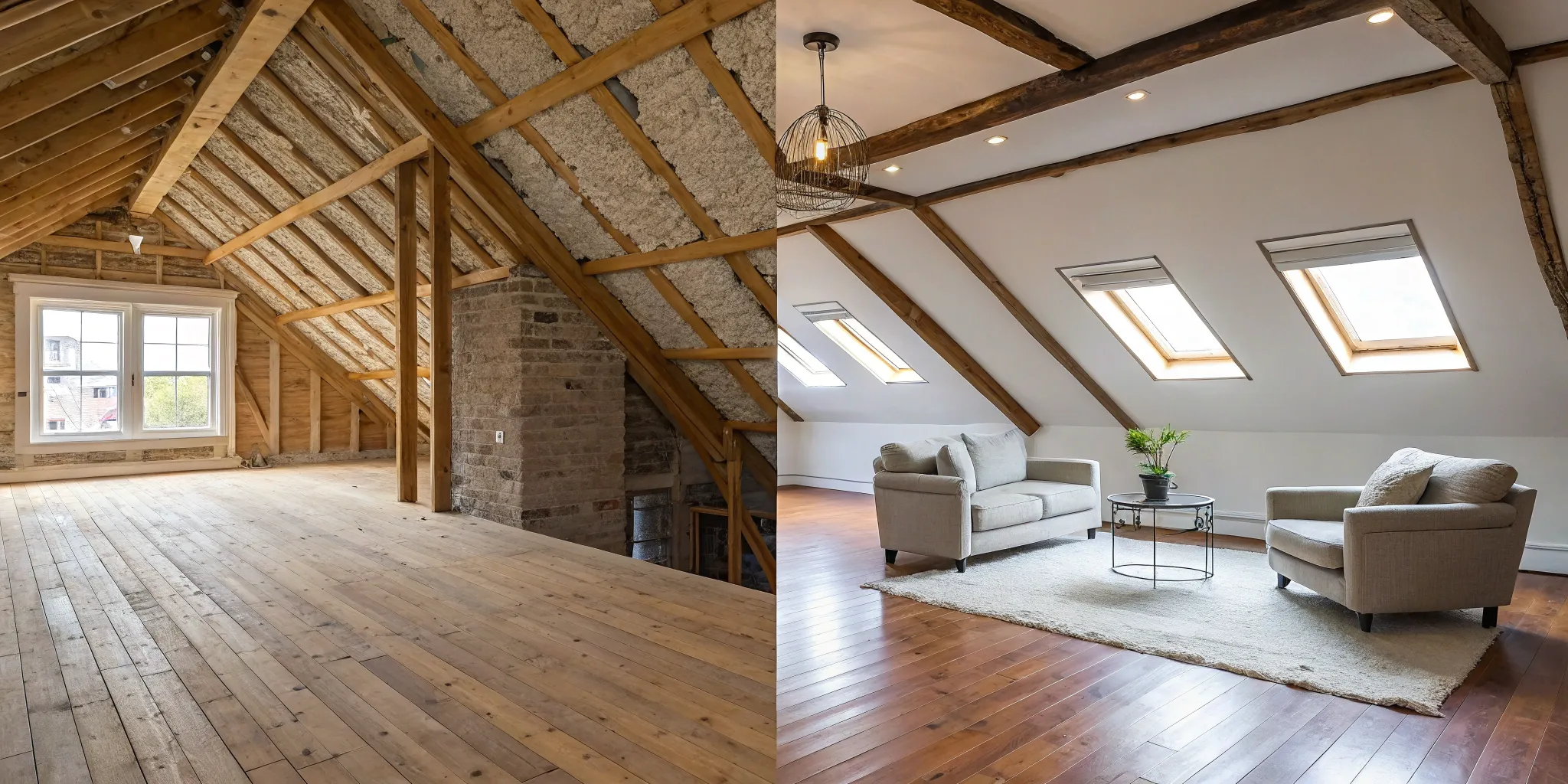
9 Smart Attic Renovation Ideas on a Budget
Get inspired with 9 attic renovation ideas on a budget. Learn practical tips to transform your attic into a functional, stylish space without overspending.
|
January 27, 2026

In this article:
That space above your head is more than just a spot for holiday decorations and forgotten boxes. It’s untapped potential—a future home office, a cozy guest room, or a quiet reading nook waiting to happen. Many homeowners dismiss the idea of a conversion, assuming it’s too expensive or complicated. The truth is, you don’t need a massive budget to create a beautiful, functional living area. With smart planning and the right approach, you can transform your attic into one of the most loved rooms in your house. This guide is packed with practical attic renovation ideas on a budget, helping you assess your space, choose cost-effective materials, and decide where to save and where to invest.
Key Takeaways
- Assess the Foundation Before the Fun Stuff: Before you start designing, confirm your attic’s structure can handle the weight of a new room and that your plans meet local building codes. Prioritizing essentials like structural safety, insulation, and ventilation prevents costly surprises and creates a solid base for your project.
- Balance Your Budget Between DIY and Pro Help: Reduce costs by tackling cosmetic jobs like painting, installing click-lock flooring, and building simple shelves. However, always allocate funds for licensed professionals to handle critical work like electrical, plumbing, and structural changes to ensure your renovation is safe and compliant.
- Design for Function to Maximize Your Space: Make your attic feel larger and more useful by using smart, budget-friendly design. Turn awkward nooks into functional features with built-in storage, choose multi-purpose furniture, and use light paint colors to create a bright, open atmosphere that serves a clear purpose.
Is Your Attic a Good Candidate for a Budget Renovation?
Before you start pinning design ideas for your new attic retreat, it’s important to figure out if your space is actually up for the job. Not every attic can be transformed into a livable room, and finding that out after you’ve started can be a costly and frustrating experience. A few key checks upfront will tell you whether your attic is a hidden gem waiting to be polished or if it’s better left as storage.
Think of this as the foundational step. You need to confirm that the structure is sound, the space is large enough to be functional, and your plans will meet local safety requirements. Getting these basics right from the start saves you from headaches, unexpected expenses, and potential safety hazards down the road. It’s the difference between a smooth, successful project and one that gets tangled in complications. Taking the time to assess your attic’s potential is the smartest first move you can make for any budget-conscious renovation.
Evaluate Your Attic's Structure
First things first: can your attic handle the weight of a new room? Most attic floors were designed simply to hold up a ceiling and some light storage, not furniture, people, and new building materials. The floor joists might not be strong enough to support a living space. You’ll want to check the size and spacing of your joists to see what they can bear. If you’re not sure what you’re looking at, this is the perfect time to bring in an expert. A structural engineer or one of Realm's vetted contractors can tell you for sure if your attic’s foundation is solid enough to build on.
Check Ceiling Height and Space
Next, grab a tape measure. For a space to be considered legally "livable," it generally needs to meet minimum size requirements. A common rule of thumb is that at least half of the finished attic must have a ceiling height of at least 7 feet. The total area should also be at least 70 square feet and 7 feet wide. These dimensions ensure the room feels comfortable and not cramped. Pay close attention to how a sloped roof affects your usable headroom. Mapping out where you can comfortably stand and walk will give you a realistic idea of what you can do with the space.
Know Your Local Building Codes
This step is non-negotiable. Local building codes dictate everything from ceiling height and stair design to window sizes for fire escape routes (egress) and proper ventilation. Any project that involves adding electrical wiring, plumbing, or changing the structure of your home will almost certainly require a permit. Your first stop should be your local building department’s website or office. Understanding these rules is crucial for ensuring your renovation is safe and legal. This part of the process can feel overwhelming, which is why expert guidance can be so helpful in making sure every part of your project is up to code.
How Much Should You Budget for an Attic Renovation?
Figuring out the finances is the first real step in turning your dusty attic into a dream space. While it’s tempting to jump straight to paint colors and furniture, setting a clear budget will guide every decision you make and help you avoid costly surprises down the road. The total cost can vary widely depending on your vision, but understanding the key expenses will help you create a realistic plan.
Break Down the Renovation Costs
An attic renovation typically costs between $10,000 and $50,000, but this range depends entirely on the scope of your project. On average, you can expect to spend between $30 and $200 per square foot. A simple project that involves adding basic flooring and insulation will land on the lower end of that spectrum. However, if you’re planning a full makeover—like a primary suite with a bathroom, built-in storage, and skylights—your budget could climb toward $80,000. Think about what you want to achieve. Is it a simple home office or a fully finished living area? Your answer will be the biggest factor in your total cost.
Set a Realistic Budget: DIY vs. Pro
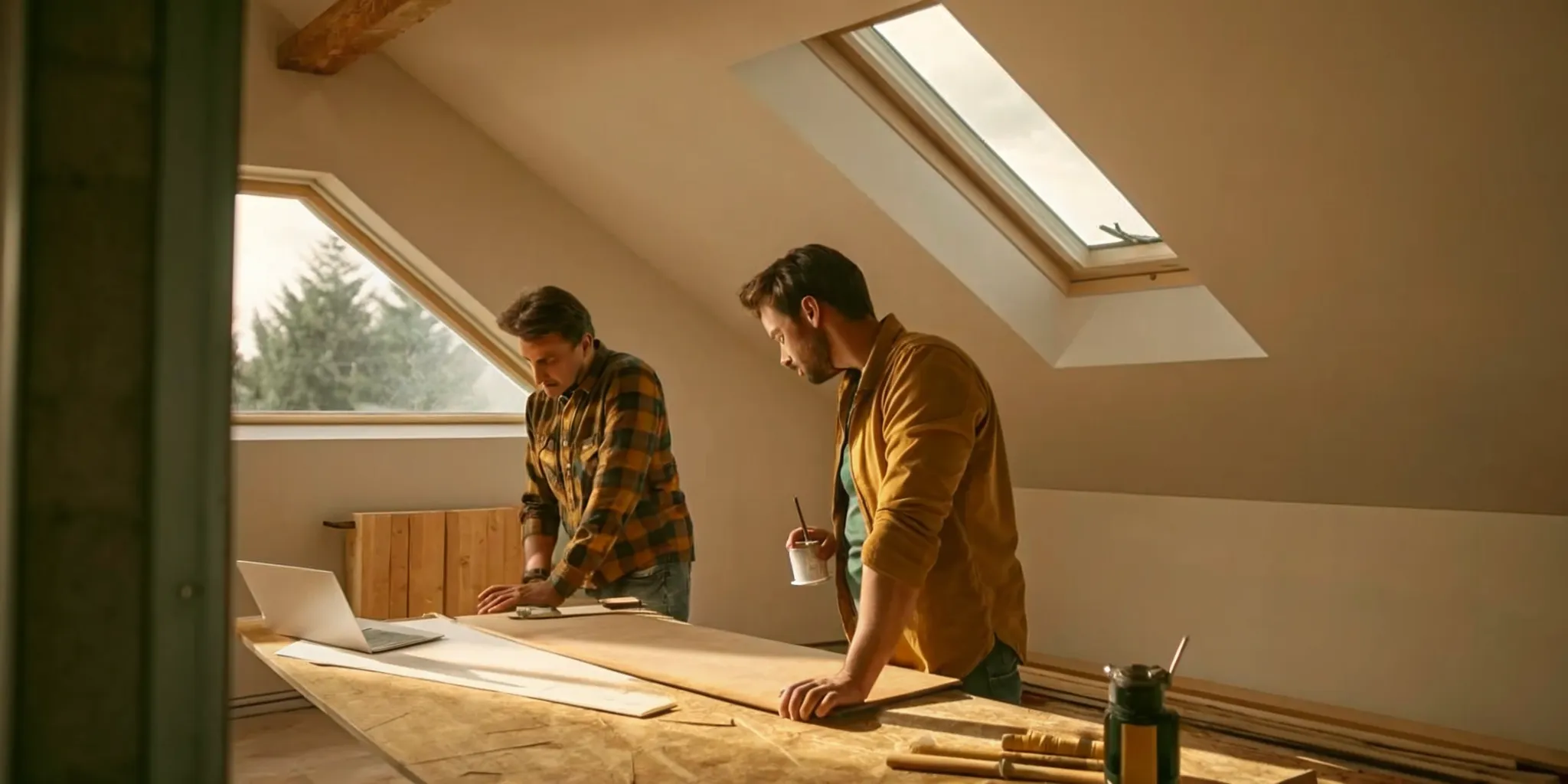
You can definitely save some money by tackling certain tasks yourself. If you’re comfortable with a paintbrush or installing a ceiling fan, those are great projects to handle on your own. However, for the big jobs, it’s crucial to call in professionals. Anything involving framing, electrical work, or HVAC systems should be left to experienced contractors who understand safety codes and the unique challenges of attic remodels. When you’re ready to hire, get estimates from several local contractors to get a feel for the costs in your area. Having expert guidance can also help you decide where to spend and where to save, ensuring your project stays on track without compromising on quality.
What Are the Most Cost-Effective Attic Renovation Ideas?
Once you’ve confirmed your attic is ready for a makeover, the fun part begins: deciding what it will become. An attic renovation doesn’t have to be an all-or-nothing project that costs a fortune. The most successful and budget-friendly transformations often focus on adding a specific function to the home. By concentrating on one clear goal, you can create a valuable new space without overspending.
Whether you need a quiet corner to escape, a dedicated place to work, or just a smarter way to store your belongings, your attic holds incredible potential. The key is to choose a project that fits both your budget and your lifestyle. A well-planned renovation, even a small one, can add significant value and utility to your home. If you need help creating a customized plan for your space, a Realm advisor can walk you through the process. Let’s look at four smart, cost-effective ideas to get you started.
Create a Cozy Reading Nook
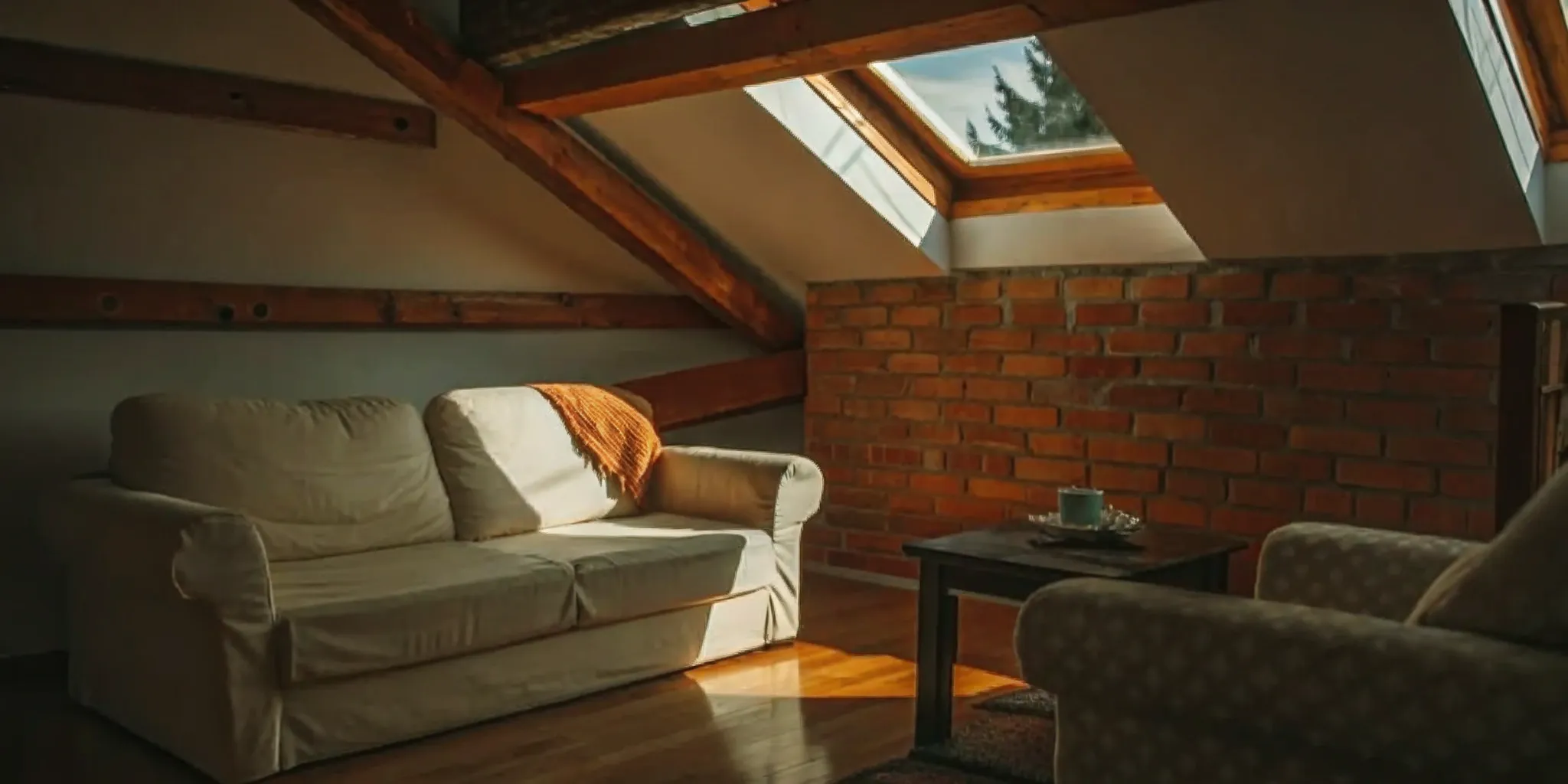
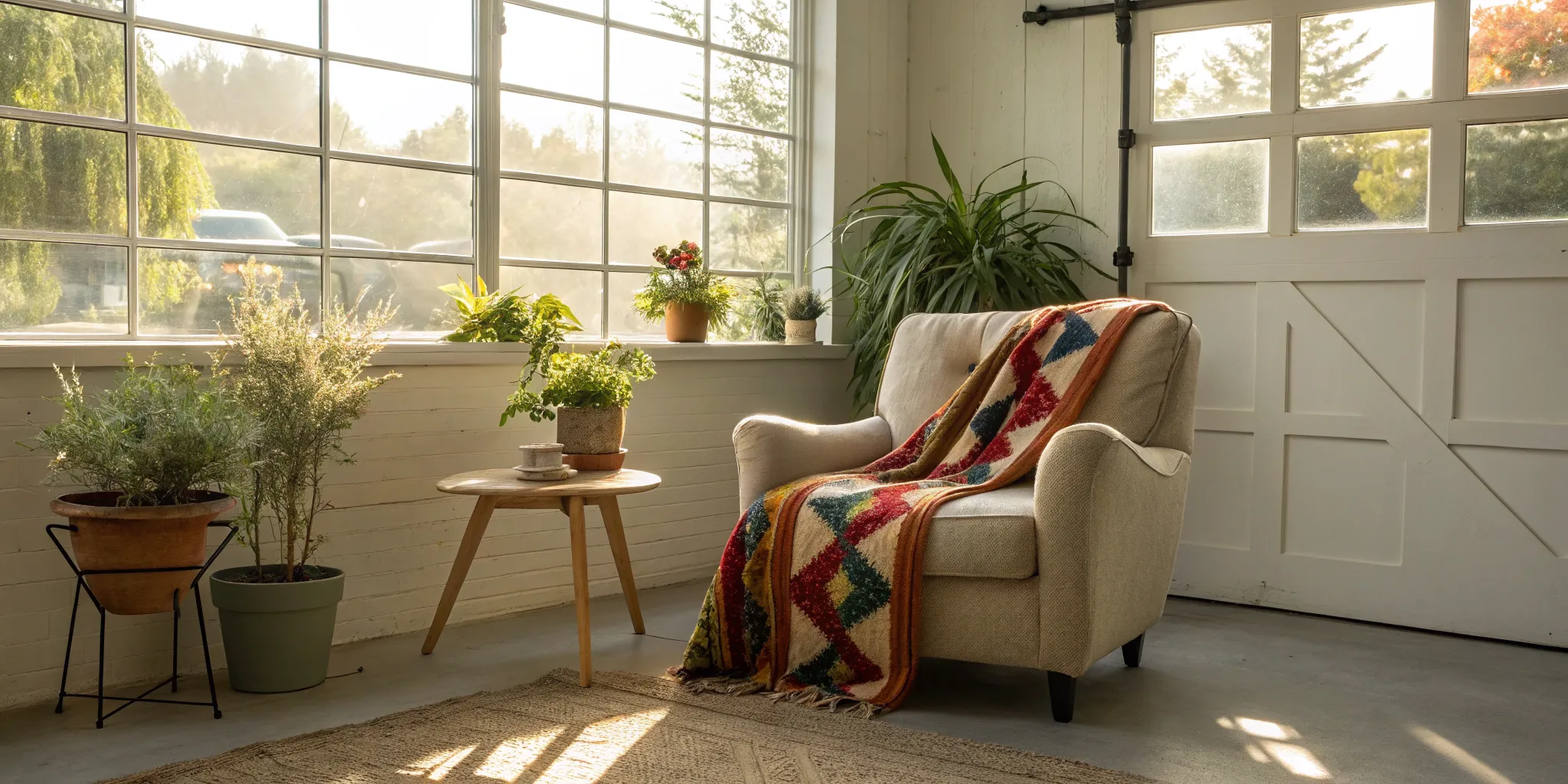
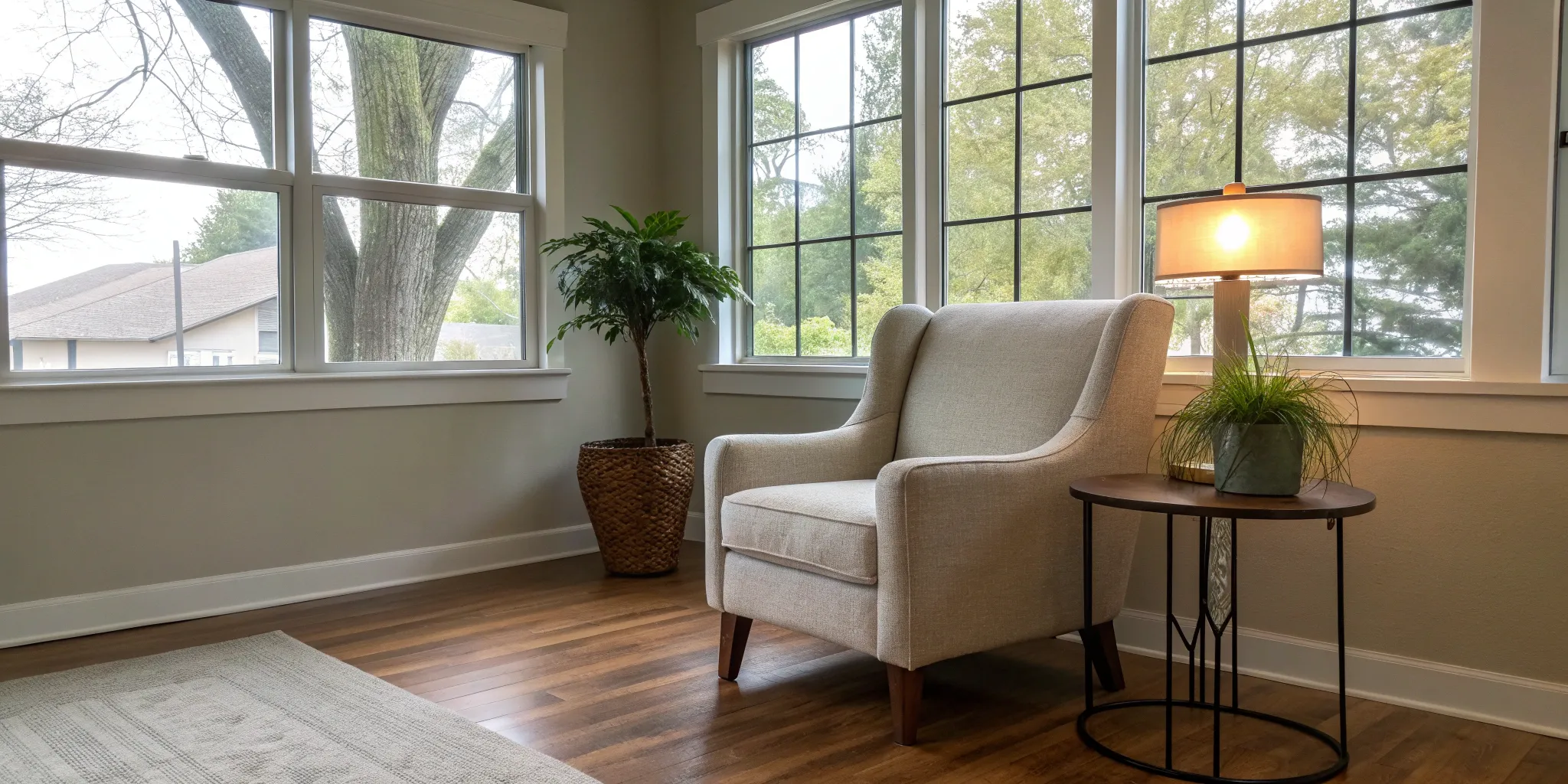
If your attic has a small or awkwardly shaped corner, don’t write it off as wasted space. These little nooks are perfect for creating a charming and cozy reading retreat. You can easily turn an odd area under a sloped ceiling into a special hideaway. All you need is a comfortable chair or a few large floor pillows, a soft rug, and a good lamp for lighting. Add a small side table for your coffee and a few floating shelves for your favorite books, and you’ve created a peaceful escape from the rest of the house. This project requires minimal construction and can often be done with furniture you already own, making it one of the most budget-friendly attic renovation ideas.
Build a Home Office Retreat
With more people working from home, a quiet, dedicated workspace is more valuable than ever. Converting your attic into a home office gives you a secluded spot away from the daily household hustle, helping you focus and stay productive. You don’t need a massive area; just enough room for a desk, a comfortable chair, and proper lighting is a great start. A fresh coat of light-colored paint can make the space feel bigger and brighter. By adding a functional home office, you’re not just improving your work-from-home life—you’re also adding valuable square footage that can make your home more appealing. Check out some attic remodel steps to see how you can get started.
Design a Simple Guest Bedroom
Need an extra room for visiting family or friends? Your attic could be the perfect solution. Turning it into a simple guest bedroom is a practical way to accommodate visitors without the expense of a full home addition. Focus on the essentials: a comfortable bed, a nightstand with a lamp, and perhaps a small dresser or a rack for clothes. Keep the decor simple and clean to make the space feel welcoming and uncluttered. Even a basic finished attic bedroom can significantly increase your home’s functionality and resale value. It’s a smart investment that provides a real solution for homes where space is tight.
Add Smart Storage Solutions
Let’s be honest—most of us could use more storage. Instead of letting your attic become a dusty dumping ground, transform it into an organized and accessible storage space. This goes way beyond just stacking boxes. You can dramatically improve the area by adding simple shelves and hanging racks to get items off the floor. For a more integrated look, consider building storage directly into the low side areas under the eaves. These spaces are perfect for custom-fit closets, drawers, or bookcases. Smart attic storage solutions not only make your belongings easy to find but also free up valuable closet and living space in the rest of your home.
Which DIY Projects Save the Most Money?
If you’re comfortable with a bit of hands-on work, you can significantly reduce your renovation costs. While major structural, electrical, and plumbing work should always be left to licensed professionals, tackling the finishing touches yourself is a fantastic way to make your budget go further. Labor is often one of the biggest expenses in any renovation, so rolling up your sleeves for these projects can lead to major savings and give you a real sense of ownership over your new space.
Install Your Own Flooring
Flooring can transform the look and feel of a room, and luckily, many modern options are designed for easy installation. Laminate flooring is a fantastic choice for an attic space because it’s durable, easy to maintain, and can mimic the look of expensive hardwood without the high price tag. Many laminate and vinyl plank options use a simple click-and-lock system, which means you don't need glue or special tools. This is a project you can likely complete over a weekend, saving you hundreds, if not thousands, in installation fees. Just be sure to prepare your subfloor properly before you begin.
Handle the Painting and Finishing
Painting is one of the most impactful and cost-effective DIY projects you can take on. A fresh coat of paint instantly brightens an attic and makes it feel clean and intentional. To save even more, consider using paneling instead of drywall, which can be a cheaper and simpler material to install yourself. Don’t forget the finishing touches like trim and baseboards—they create a polished look and are fairly straightforward to cut and nail into place. Choosing a light, neutral paint color will also help make the space feel larger and more open, which is especially important in rooms with sloped ceilings.
Build Simple Shelves and Storage
Attics are notorious for their awkward nooks and sloped walls, which can make standard furniture a poor fit. This is where DIY storage becomes your best friend. You can turn these odd areas into highly functional spaces with custom-built shelves or closets. Simple floating shelves or bracket-and-board systems are easy to install and provide much-needed storage without taking up floor space. This approach allows you to maximize every square inch of your attic, creating unique features like a cozy reading nook or a dedicated craft corner, all while avoiding the high cost of custom cabinetry.
Install Basic Light Fixtures
While any new wiring should be handled by a certified electrician, you can save money by installing basic light fixtures yourself. If the wiring is already in place, swapping an old fixture for a new one is a relatively simple task. For areas that need more light without complex electrical work, consider plug-in options. Stylish plug-in wall sconces can add ambiance, while track lighting is a great, flexible solution for illuminating different zones in the room. Just remember to always turn off the power at the breaker before you start any electrical project, no matter how small it seems.
What Are the Best Budget-Friendly Materials for an Attic?
Choosing the right materials is where you can really make your budget work for you. The good news is that "budget-friendly" doesn't have to mean "low-quality." With so many innovative products on the market, you can get a high-end look without the high-end price tag. The key is to focus on materials that are durable, easy to install (especially if you’re planning some DIY), and deliver the most impact for your dollar. From the floor under your feet to the lights overhead, making smart selections will help you create a beautiful and functional space that feels like a true extension of your home.
Choose Affordable Flooring
Your attic floor needs to be durable and comfortable, but it doesn’t need to be expensive. Laminate flooring is a fantastic choice because it offers the warm, classic look of hardwood at a fraction of the cost. It’s also incredibly durable and easy to clean, making it perfect for a home office, playroom, or guest space. Another excellent option is luxury vinyl plank (LVP) flooring. LVP is waterproof, scratch-resistant, and comes in a huge variety of styles, from realistic wood grains to stone tile looks. Both laminate and LVP are DIY-friendly, which can save you even more on installation costs.
Pick the Right Insulation
Insulation is one area where you absolutely shouldn't cut corners, but you can still choose a cost-effective option. For most attics, fiberglass batt and roll insulation is the most common and budget-friendly choice. It comes in pre-cut pieces that fit snugly between your wall studs and ceiling joists, making installation straightforward. Proper insulation is a smart investment that pays for itself over time by lowering your energy bills and keeping your new space comfortable year-round. It’s a foundational step that ensures your attic is a pleasant place to be, no matter the season.
Select Budget-Friendly Wall Coverings
Drywall is a standard for a reason, but finishing it can be time-consuming and costly. For a more budget-friendly and stylish alternative, consider wall paneling. Modern options like shiplap or beadboard panels can be installed quickly and add instant character to the room, saving you money on both materials and labor. They come pre-primed, so all you need is a coat of paint to finish the look. If your budget is extra tight, a fresh coat of a light, bright paint color can work wonders on its own, making the space feel larger and more open without requiring any major wall installations.
Find Inexpensive Lighting and Electrical
Great lighting can transform a dark, forgotten attic into a bright and inviting room. You don’t need to spend a fortune on fixtures to achieve this. LED lights are the way to go; they are incredibly energy-efficient and have a long lifespan, saving you money on your utility bills and replacement bulbs. Simple, clean-lined fixtures like track lighting or flush-mount lights provide excellent illumination without overwhelming the space or your budget. While you can save money on the fixtures themselves, always remember to hire a licensed electrician for any wiring work to ensure everything is safe and up to code.
How Can You Maximize Space Without Overspending?
An attic renovation is all about smart design. The goal is to make the room feel spacious, bright, and useful, even if the square footage is limited. The good news is that you don't need a massive budget to achieve this. By working with your attic's existing features and making strategic choices with furniture and color, you can create a space that feels much larger than it is. It’s about being clever with your resources to get the most out of every corner and making sure every decision adds value.
Instead of fighting against low or sloped ceilings, you can embrace them. The key is to focus on solutions that add function without cluttering the floor. From built-in storage that disappears into the walls to paint colors that reflect light, these simple strategies can completely transform your attic. A thoughtful approach to design will make your new space feel intentional and inviting, proving that a tight budget can still lead to incredible results. With a solid customized plan, you can make every dollar count and ensure your project stays on track from start to finish.
Use Built-Ins for Sloped Ceilings
Those sloped ceilings and awkward corners that seem like design challenges are actually opportunities in disguise. Instead of trying to fit standard furniture into these spots, lean into the attic’s unique architecture with built-ins. Custom-fit shelves, desks, or window seats can turn an unusable nook into a functional and stylish feature. This approach not only maximizes your storage but also makes the room feel more cohesive and thoughtfully designed. You’re essentially making the storage a part of the room itself, which saves precious floor space. A skilled contractor can help you design built-ins that perfectly match your needs and the room’s dimensions.
Find Multi-Functional Furniture
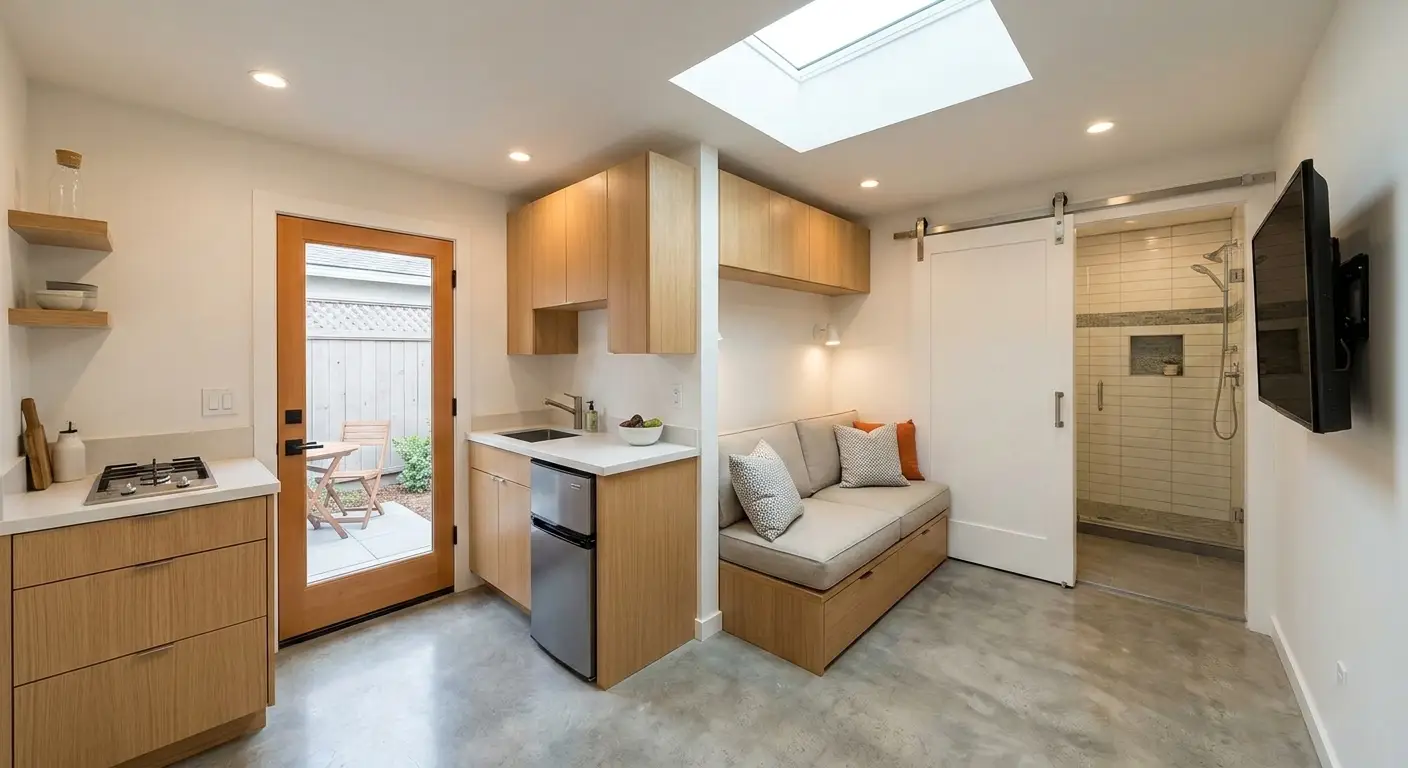
When every square foot counts, each piece of furniture should work hard. Look for items that serve more than one purpose to keep your attic feeling open and uncluttered. Think about a daybed that can act as a sofa and a guest bed, an ottoman with hidden storage for blankets, or a coffee table that lifts to become a desk. This strategy allows you to furnish the space for multiple activities—like a home office that doubles as a lounge area—without filling it with furniture. You can turn small, odd areas into useful spots like a cozy reading nook with a storage bench, making the attic versatile and enjoyable.
Use Light and Color to Open Up the Space
Never underestimate the power of light and color to make a room feel bigger. Start by maximizing natural light from any existing windows—keep window treatments minimal and sheer. For the walls and ceiling, choose light, neutral colors like white, soft gray, or pale blue. These shades reflect light and create an airy, expansive feeling, tricking the eye into seeing a larger space. You can also add mirrors to bounce light around the room. To keep the air from feeling stuffy, especially in warmer months, install a ceiling fan to improve circulation and make the attic a more comfortable place to spend time.
What Should You Prioritize on a Tight Budget?
When you’re working with a tight budget, every decision counts. It’s easy to get swept up in the excitement of paint colors and furniture, but a successful attic renovation starts with a solid foundation. Focusing your funds on the right things first will save you from costly headaches down the road and ensure your new space is safe, comfortable, and truly functional. Think of it as building from the inside out. Before you even think about aesthetics, you need to address the bones of the space.
Your priorities should be clear: safety and structure, insulation and ventilation, and a focused project scope. Getting these three areas right is the key to a smart, budget-friendly renovation. It means investing in the less glamorous, behind-the-walls elements that make a space livable and durable. By tackling these essentials first, you create a blank canvas that you can then affordably and confidently transform into the room you’ve been dreaming of. This methodical approach helps you manage your project effectively without stretching your finances too thin.
Prioritize Safety and Structure First
Before any other work begins, you need to confirm your attic can safely support a living space. This is non-negotiable. Have a structural engineer or a qualified contractor inspect the floor joists to ensure they can handle the additional weight of furniture, people, and building materials. They may need to be reinforced, which is a critical investment in your home’s safety. This initial step also includes checking for any roof leaks, pest damage, or other structural issues that must be addressed. It’s far better to spend money here than on cosmetic fixes that cover up a serious problem.
Focus on Insulation and Ventilation
Proper insulation and ventilation are the keys to a comfortable and energy-efficient attic. Skimping here can lead to a room that’s freezing in the winter and sweltering in the summer, not to mention high energy bills and potential moisture problems like mold. Poor insulation can lead to costly rework after the walls are closed up. Luckily, there are budget-friendly options. Fiberglass batt insulation is a common and affordable choice that many homeowners can install themselves. Paired with proper ventilation, it creates a comfortable environment and protects your home’s structure for years to come.
Tackle One Functional Area at a Time
Trying to do everything at once on a limited budget is a recipe for a half-finished project. Renovating without a clear plan can lead to expensive mistakes and overwhelming stress. Instead, focus on completing one functional area at a time. Decide on the primary purpose of the space—is it a home office, a guest bedroom, or a playroom? Concentrate your budget on making that one function perfect. For example, if it’s an office, prioritize electrical outlets and good lighting. If it’s a bedroom, focus on the egress window and closet space. This approach ensures you get a high-quality result you can actually use.
What Common Budget Mistakes Should You Avoid?
An attic renovation is exciting, but a few common missteps can quickly derail your budget and timeline. The good news is that you can easily sidestep these issues with a bit of foresight. Thinking through permits, insulation, materials, and climate control from the very beginning will save you from costly surprises down the road. It’s all about making smart, informed decisions now to ensure your new space is safe, comfortable, and built to last. Let’s walk through the four biggest budget traps and how you can steer clear of them.
Don't Underestimate Permit Costs
It’s tempting to jump right into the fun parts of a renovation, but don’t forget about the paperwork. Securing the right permits is a non-negotiable step. Failing to do so can lead to fines, issues when you sell your home, or even being forced to tear out your brand-new work. Permit costs vary depending on your location and the scope of your project, so it's crucial to research your local building codes early on. Factor these fees into your initial budget to avoid an unexpected hit to your finances. A trusted contractor or a Realm advisor can help you figure out exactly what you need.
Don't Skip Insulation and Ventilation
Insulation and ventilation might not be the most glamorous parts of your attic renovation, but they are absolutely essential. An improperly insulated attic will be difficult to keep cool in the summer and warm in the winter, leading to sky-high energy bills. Even worse, poor ventilation can trap moisture, creating a perfect environment for mold and mildew to grow, which can damage your home’s structure and affect your air quality. Investing in proper insulation and ensuring there’s adequate airflow is a smart move that protects both your home and your long-term comfort.
Avoid Materials That Don't Last
When you’re working with a tight budget, opting for the cheapest materials can seem like a savvy way to save money. However, this approach often backfires. Low-quality materials may look fine at first, but they rarely stand the test of time. For example, choosing thin paneling over more durable sheetrock might save you a few dollars upfront, but it can be easily damaged and will likely need replacing sooner. Focus on finding a balance between cost and quality. Investing in durable flooring, walls, and fixtures will give you a beautiful space that lasts for years, saving you money on future repairs.
Plan for Heating and Cooling
Imagine finishing your beautiful new attic office or bedroom, only to realize it’s unusable for half the year because it’s either freezing or sweltering. Attics are prone to extreme temperatures, so planning for heating and cooling is a must. You’ll need to determine if your home’s existing HVAC system can handle the extra square footage or if you need a separate solution. Options like extending ductwork or installing a ductless mini-split system can keep the space comfortable year-round. Addressing this during the planning phase ensures your new room is a true extension of your home, not just a finished storage space.
When Should You Call a Pro vs. DIY?
While tackling a project yourself can be incredibly rewarding and save money, some parts of an attic renovation are best left to the professionals. Knowing when to hang up your toolbelt and call for backup is key to a successful, safe, and legally compliant project. For certain tasks, the risks of going the DIY route—from safety hazards to costly mistakes—far outweigh the potential savings. Think of it as building a smart and capable team for your renovation, where you’re the project manager and the pros are your expert specialists.
Leave Electrical and HVAC to the Experts
This is a non-negotiable. Any work involving wiring, outlets, or your home’s heating and cooling systems requires a licensed professional. An experienced electrician will ensure everything is up to code, preventing fire hazards and ensuring your new space is safe. Similarly, an HVAC specialist can correctly assess your attic’s needs, extending ductwork or installing a new system that works efficiently without straining your existing setup. Professionals can also secure the necessary permits, a crucial step that many DIYers overlook. Messing up electrical or HVAC work can lead to dangerous conditions and expensive fixes, so it’s wise to invest in a pro from the start.
Let Professionals Handle Structural Changes
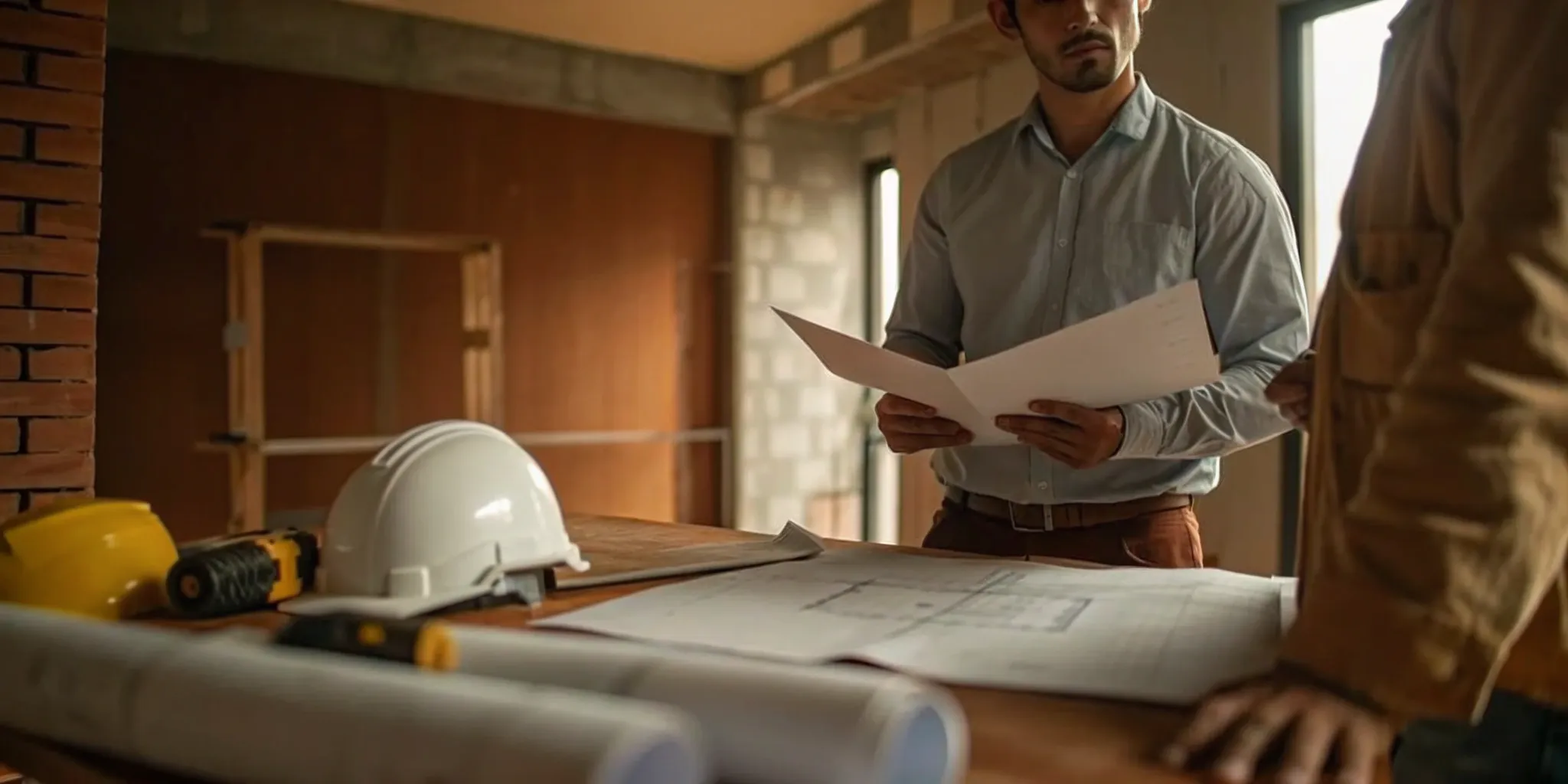
If your attic renovation plans include more than cosmetic updates, it’s time to call in a structural engineer or a general contractor. Big changes like adding a bathroom, removing support beams, adding dormer windows, or altering the roofline can affect your home’s structural integrity. A professional can assess what’s possible, draw up safe plans, and ensure the floor joists can handle the extra weight of a living space. They understand the complex requirements for load-bearing walls and foundations. Trying to manage these changes yourself can lead to serious, long-term damage to your home. At Realm, we connect homeowners with dedicated advisors who can help you plan for these major changes.
Find Vetted Contractors for the Job
Once you know which jobs require a pro, the next step is finding the right one. A great contractor can make your project run smoothly, while a bad one can turn it into a nightmare. Look for licensed and insured professionals with specific experience in attic renovations. Ask for a portfolio of their work and check online reviews from previous clients. Always get a detailed, written estimate that breaks down all the costs, so there are no surprises later. Taking the time to find a vetted professional ensures your investment is protected and the final result is exactly what you envisioned.
Related Articles
- How Much to Convert Attic to Living Space? A Breakdown
- How Much Does an Attic Conversion Cost?
- What's the Cost to Finish Attic for Storage?
Frequently Asked Questions
What's the absolute first thing I should do before planning my attic renovation? Before you get lost in design ideas, your first step is to confirm your attic can actually be converted into a livable space. This means having a structural engineer or a qualified contractor check if the floor joists are strong enough to support a new room, furniture, and people. This initial check is crucial because it determines the entire feasibility of your project and prevents you from investing time and money into a plan that isn't structurally sound.
I'm on a really tight budget. What are the non-negotiable costs I can't skip? Even on the tightest budget, there are three areas you should never cut corners on: structural safety, proper insulation, and any required permits. Investing in reinforcing the floor joists or addressing roof leaks protects your entire home. Good insulation and ventilation make the room comfortable and prevent costly moisture issues later. Finally, securing the right permits ensures your project is legal and won't cause problems if you decide to sell your home in the future.
How can I make a small or awkward attic feel spacious and useful? The key is to work with your attic's unique shape, not against it. Use light paint colors on the walls and ceiling to create an airy feel and reflect natural light. Instead of trying to fit standard furniture into tight corners, opt for built-in shelves or desks that maximize those awkward spaces. Choosing multi-functional furniture, like a daybed that doubles as a sofa or an ottoman with hidden storage, also helps you get the most function out of every square foot without cluttering the room.
Do I really need a permit for a simple attic project? Most likely, yes. If your project involves changing the structure of your home, adding new electrical wiring, or installing plumbing, you will almost certainly need a permit from your local building department. Skipping this step can result in fines, trouble selling your home, or even being forced to undo the work. It's always best to check your local requirements before you begin to ensure your renovation is safe and compliant.
Can I save money by using the cheapest materials I can find? While it's tempting, opting for the absolute cheapest materials often costs more in the long run. There's a big difference between being budget-conscious and just being cheap. Low-quality flooring can scuff easily and cheap wall paneling can dent, meaning you'll be spending money on repairs and replacements sooner than you think. A smarter approach is to look for durable, cost-effective materials like laminate flooring or quality insulation that provide lasting value and a better finish.




















.png)








.png)