Creating a Home Renovation Project Plan in 7 Steps
Get practical tips for creating a home renovation project plan, from setting your budget to choosing contractors, so your remodel stays on track and stress-free.
|
March 2, 2026
In this article:
Trying to renovate your home without a plan is like setting off on a cross-country road trip without a map. You might eventually get somewhere, but it probably won’t be your intended destination, and the journey will be full of wrong turns and wasted time. When the stakes are as high as your home and your savings, winging it isn't an option. The key to a successful, low-stress project is creating a home renovation project plan before you do anything else. This detailed guide ensures every decision is deliberate, every dollar is accounted for, and everyone on your team is working toward the same goal.
Key Takeaways
- A Detailed Plan is Your Best Defense: Before you do anything else, define your project's scope, budget, and timeline. This roadmap, complete with a 10-20% contingency fund for surprises, is what keeps your renovation from spiraling into a stressful, costly mess.
- Hire a Partner, Not Just a Price Tag: The cheapest contractor is rarely the best value. Prioritize professionals with a proven track record and great references, then lock in all expectations—from the scope of work to the payment schedule—in a detailed written contract.
- Prepare for the Process, Not Just the Result: A smooth renovation requires managing the day-to-day realities. Proactively handle permits, set up temporary living arrangements, and build buffer time into your schedule to ensure unexpected issues are minor hiccups, not major crises.
What's in a Home Renovation Plan?
Before you pick up a hammer or even a paint swatch, you need a solid plan. A home renovation plan is your roadmap from start to finish, detailing exactly what you want to achieve, how it will look, and what it will cost. It’s the single most important tool for keeping your project on track and on budget. A thorough plan typically breaks down into three core components that work together to bring your vision to life. Getting these details right from the beginning sets the foundation for a smooth and successful project.
Define Your Scope and Goals
First things first, get clear on your goals. Are you renovating to improve your home's function, like adding a much-needed home office, or is the main driver to update the aesthetics? Think about your needs versus your wants, and be honest about which is which. This is also the time to get everyone in your household on the same page to agree on priorities. Having a clear process from the start prevents confusion and ensures the final result works for everyone. This initial step helps you create a focused project scope that guides every decision you make moving forward.
Finalize Your Design and Layout
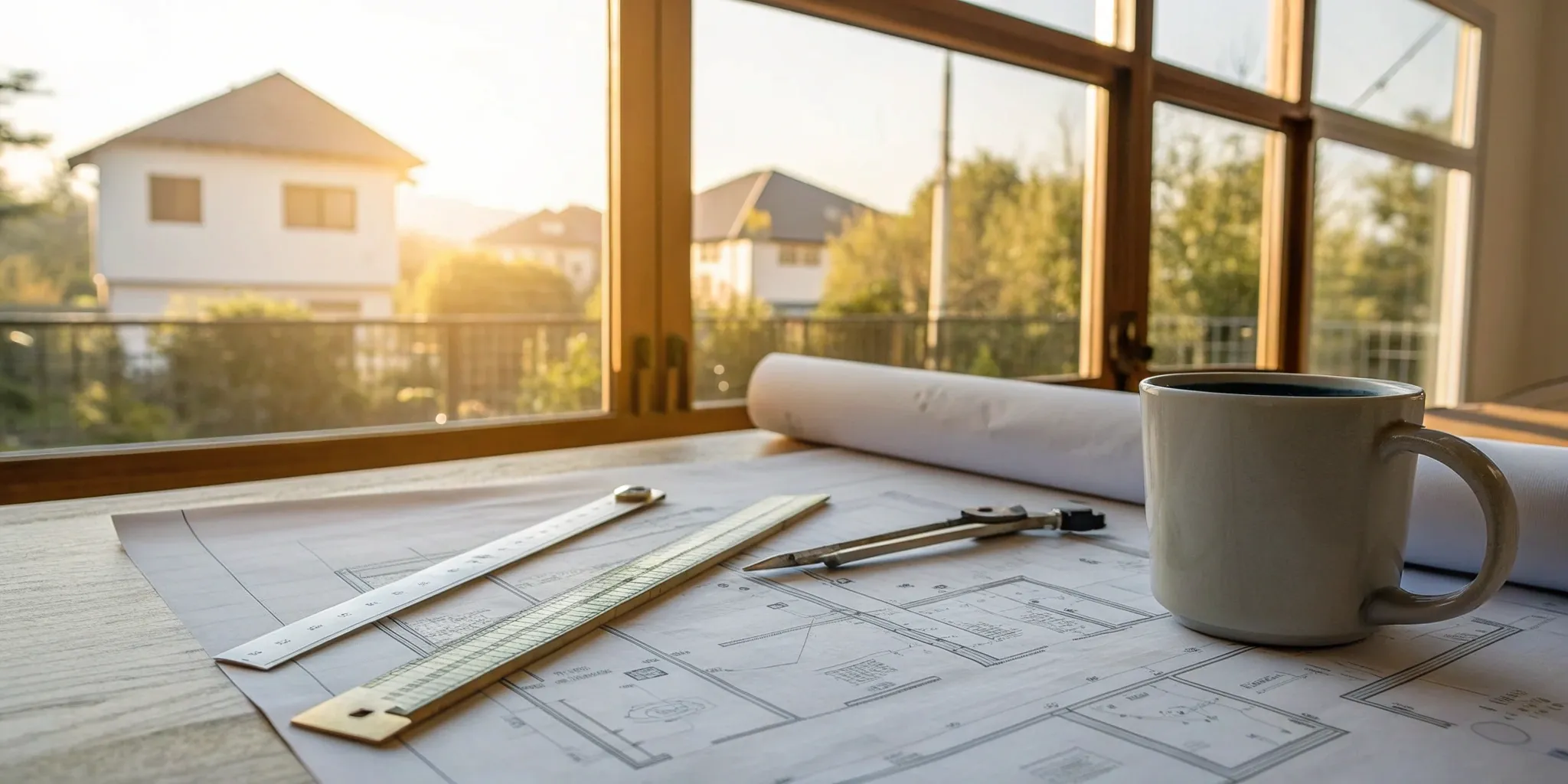
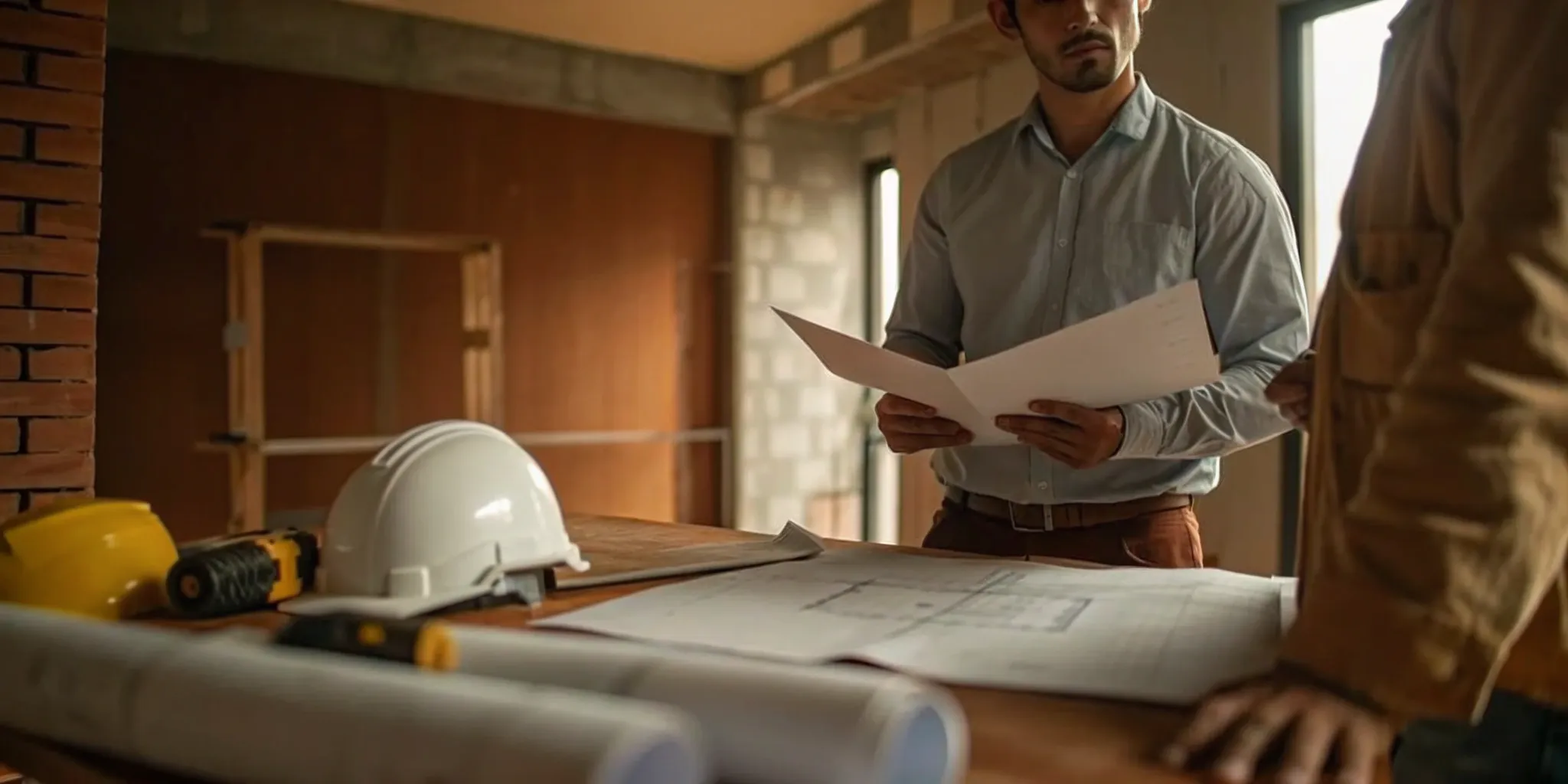
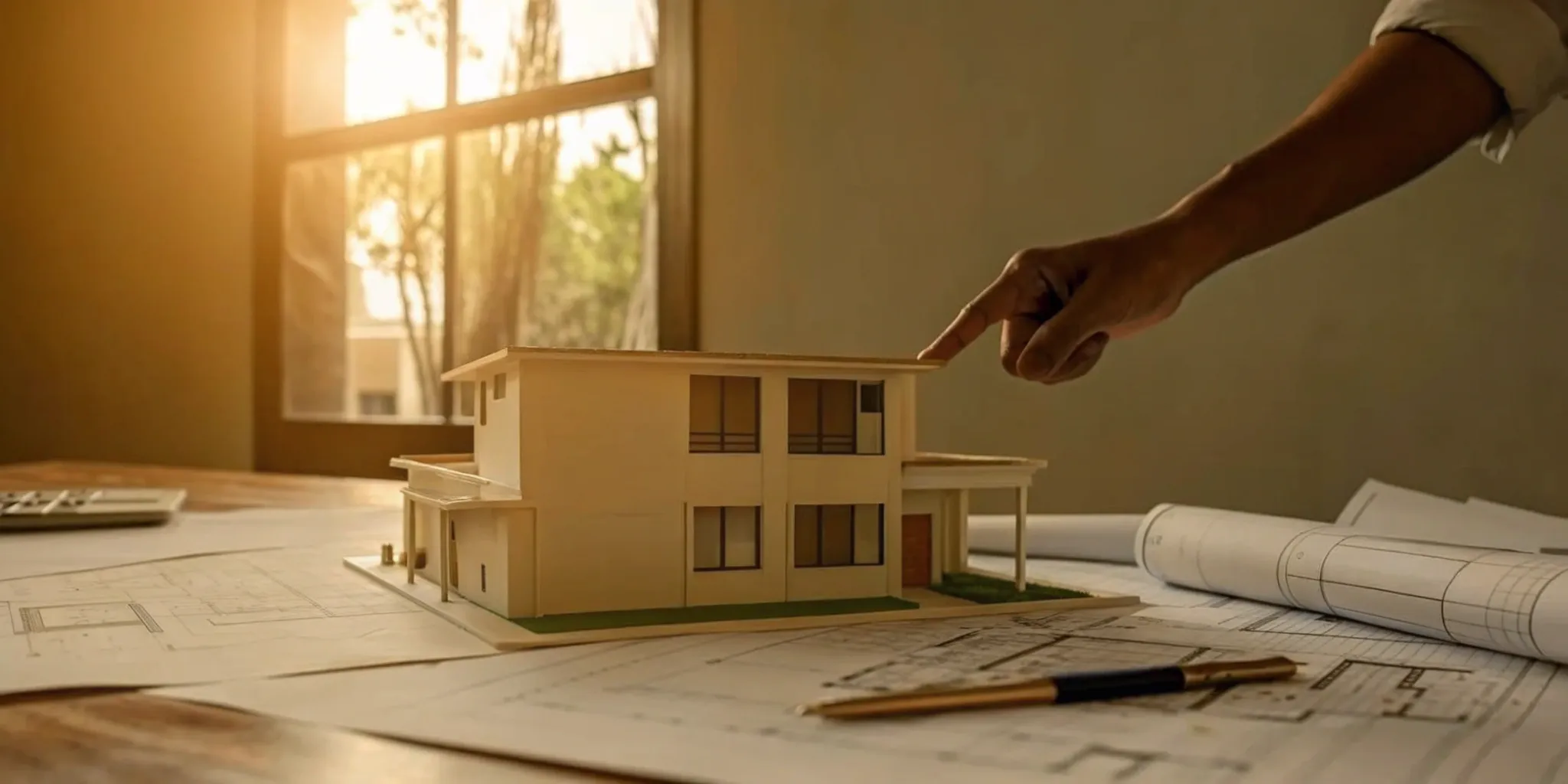
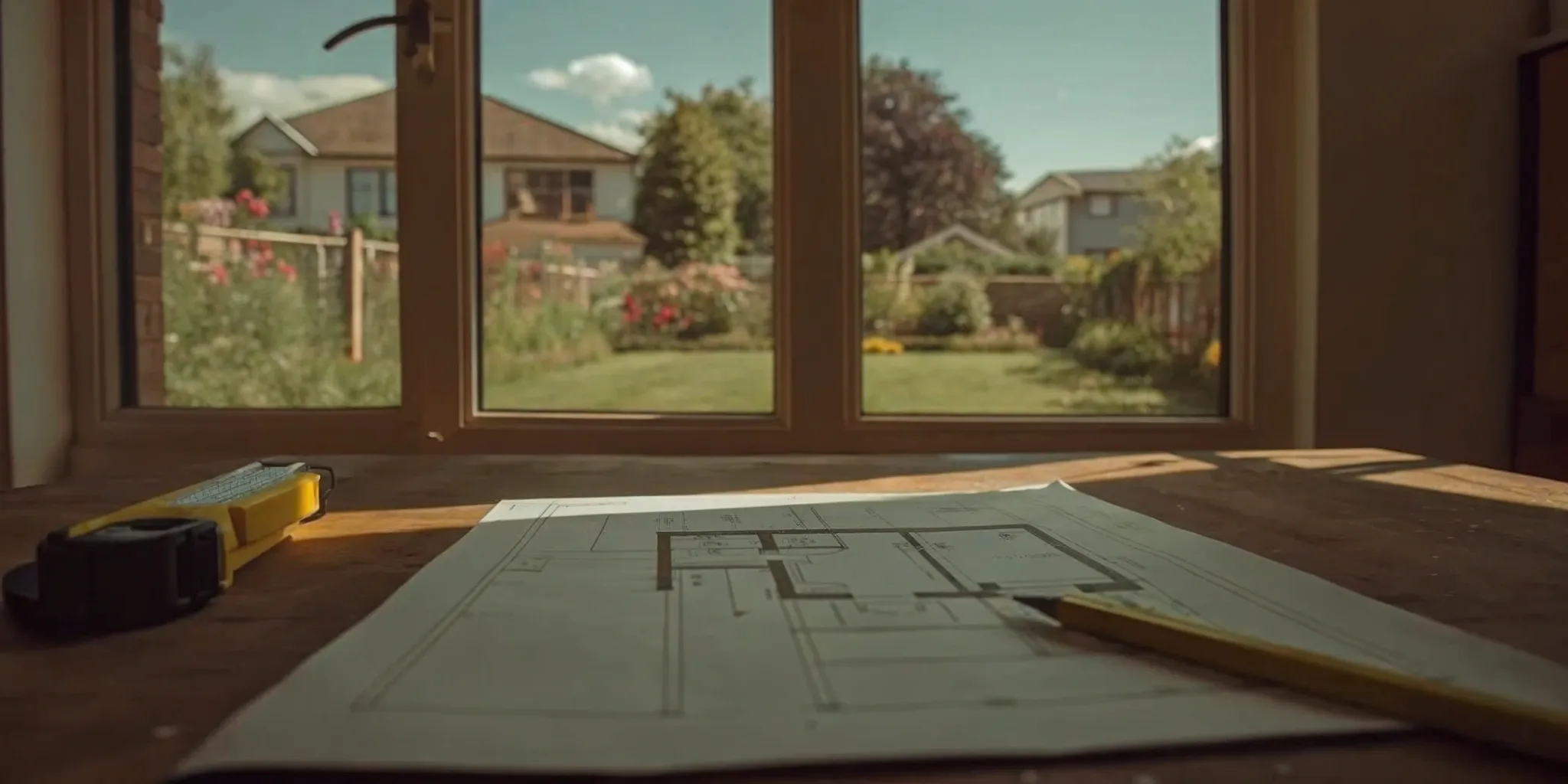
Once your goals are set, it’s time to visualize the final result. This means creating detailed drawings that map out the new layout, including precise measurements, materials, and finishes. For simple projects, a detailed sketch might be enough. But for larger renovations involving structural changes, it’s wise to work with an architect or designer. These vetted professionals can translate your ideas into formal plans that contractors can build from, ensuring everything is up to code. This stage is all about locking in the specifics so there are no surprises during construction.
Create Your Budget
Now for the numbers. A realistic budget is crucial for a low-stress renovation. Start by assessing your finances to determine what you can comfortably spend. From there, break down all the potential costs, including materials, labor, permits, and even post-project cleanup. One of the smartest things you can do is build a contingency fund—typically 10% to 20% of your total budget—to cover any unexpected issues that pop up. This financial cushion gives you peace of mind and helps you handle surprises without derailing the entire project.
How to Set a Realistic Renovation Budget
Let's talk about money. Creating a budget might not be the most glamorous part of your renovation, but it’s the most critical step for a stress-free project. A realistic budget acts as your financial roadmap, guiding your decisions and keeping your project on track from start to finish. Without one, it’s easy for costs to spiral and for your dream project to turn into a financial headache. The goal is to create a number you’re comfortable with, one that covers all the bases and includes a cushion for the unexpected.
Think of your budget as a tool for empowerment. It helps you prioritize what’s most important, make informed choices about materials and finishes, and communicate clearly with your contractor. When you know exactly where your money is going, you can move forward with confidence. At Realm, we help homeowners build data-backed budgets that reflect their goals and local costs, ensuring there are no major surprises along the way. A well-planned budget is the foundation of a renovation you’ll love for years to come.
Assess Your Finances
Before you even think about tile samples or paint colors, take an honest look at your finances. Figure out exactly what you can comfortably spend on this project. This involves looking at your savings, considering financing options like a home equity loan or a cash-out refinance, and setting a firm ceiling for your total project cost. This isn't just about the total amount; it's about what you can truly spend without stretching yourself too thin. Remember to account for how you'll pay for things along the way, as most projects require payments at different milestones, not all at once.
Break Down Project Costs
Once you have your top-line number, it’s time to break it down. A comprehensive budget includes more than just the obvious expenses. You need to account for everything: materials, labor, permits, design fees, and even the cost of cleanup afterward. Each of these categories can have a wide price range, so getting detailed estimates is key. This is where having an expert on your side can make a huge difference. A Realm advisor can provide a detailed cost breakdown based on real projects in your area, helping you understand where your money is going and where you can save.
Build in a Contingency Fund
If there’s one rule in renovating, it’s this: expect the unexpected. No matter how perfectly you plan, surprises can and do pop up. You might open a wall and find outdated wiring, or a specific material might be delayed, requiring a more expensive alternative. That’s why a contingency fund is non-negotiable. Plan to set aside an extra 10% to 20% of your total budget for these unforeseen costs. This isn't a "nice-to-have"; it's a crucial part of your budget that provides a safety net, ensuring that a small hiccup doesn’t derail your entire project.
How to Create a Renovation Timeline
Think of your renovation timeline as the roadmap for your project. It’s more than just a start and end date; it’s a detailed, step-by-step guide that keeps your project moving forward and ensures everyone—from your contractor to your electrician—is on the same page. A well-crafted timeline helps manage expectations, coordinate moving parts, and gives you a clear picture of what should be happening and when. It’s your best tool for keeping the project on track and minimizing stress.
Map Out Each Project Phase
The first step is to break down your entire renovation into individual phases. Work backward from your ideal completion date, listing every major stage in the correct order. A typical project sequence might look like this: demolition, framing, plumbing and electrical rough-ins, drywall, painting, flooring, and finally, fixture installation. Getting the order right is critical. You can’t install cabinets if the floors aren’t in, and you can’t paint before the drywall is finished. Your contractor or Realm advisor can help you map this out and assign realistic time estimates to each phase, creating a clear and logical workflow.
Plan for Delays and Add Buffer Time
Even the most perfectly planned renovation can hit a snag. A material delivery might be late, a surprise structural issue could pop up during demolition, or a spell of bad weather could halt exterior work. That’s why building a buffer into your timeline is non-negotiable. A good rule of thumb is to add an extra 10% to 15% to your total timeline as a cushion for these unknowns. This isn’t pessimistic—it’s realistic. Planning for potential delays from the start means an unexpected issue becomes a manageable hiccup instead of a full-blown crisis that throws your entire project into chaos.
Coordinate Trades and Deliveries
Once the work begins, your timeline becomes a living document that requires active management. Consistent communication is the key to keeping everything running smoothly. Schedule regular check-ins with your general contractor, whether it’s a quick daily text or a more formal weekly walkthrough. This ensures you’re aware of the progress and can address any issues immediately. It’s also important to coordinate the delivery of materials and fixtures to align with your project phases. Having everything arrive on-site just before it’s needed prevents clutter, reduces the risk of damage, and ensures your trade professionals have what they need to keep the project moving.
What Permits and Regulations Do You Need?
Navigating the world of permits and regulations can feel like a chore, but it’s one of the most important steps in your renovation plan. These rules aren’t just red tape; they’re in place to ensure your project is safe, structurally sound, and up to code, protecting your family and your home’s value. Skipping this step can lead to major headaches, including fines, legal trouble, or even having to tear out completed work. Your project will likely be subject to rules from your local city or county, and if you live in a planned community, your Homeowners Association (HOA) will have its own set of guidelines. Getting a handle on these requirements early will keep your project on track and give you peace of mind.
Research Local Building Codes
Before you swing a single hammer, you need to understand your local building codes. These are the standards for construction in your area, covering everything from electrical wiring and plumbing to structural integrity. As one expert notes, "Before you start, find out if you need any special permits from your town. This helps you avoid legal problems or fines." These codes can vary widely depending on where you live—for example, areas in California have specific seismic requirements. Your city or county’s Department of Building and Safety website is the best place to start. A vetted contractor will be an expert on local codes and can manage this process for you.
Check Your HOA's Rules
If you live in a community with a Homeowners Association, you have a second layer of rules to follow. Your renovation plans must comply with city regulations and any rules set by your HOA, which can sometimes be even more restrictive. HOAs often have specific guidelines for exterior changes, such as paint colors, window styles, landscaping, and fence heights. They might also have rules about construction hours or where contractors can park. Be sure to review your HOA’s Covenants, Conditions & Restrictions (CC&Rs) and submit your plans for approval before any work begins. Getting their sign-off in writing is crucial to avoid disputes down the road.
Plan for Permit Timelines and Costs
Getting the necessary permits isn’t an overnight process. It’s important to remember that "permits can take weeks or months to approve," so you need to build this waiting period into your project timeline. There are also fees associated with each permit, which should be included in your budget. While you can apply for permits yourself, your contractor will typically handle the submission and approval process. This is a major benefit of working with an experienced professional. By planning for these timelines and costs from the outset, you can prevent them from becoming a source of stress and delay once your project is underway.
How to Choose and Work With Renovation Pros
Your renovation team can make or break your project. The right professionals will not only bring your vision to life but also act as trusted partners, guiding you through the process with expertise and care. Finding these people is one of the most important steps in your plan. It’s about building a relationship based on clear communication, mutual respect, and shared goals for your home. This is where having an expert on your side can be a game-changer, helping you connect with a network of pros who are already vetted and trusted. A great team doesn't just build walls; they build confidence, ensuring your project runs smoothly from the first swing of the hammer to the final coat of paint. They are your advocates, problem-solvers, and the hands that will shape your future space. Choosing your contractor, designer, and other tradespeople is less like hiring an employee and more like assembling a championship team where everyone knows their role and works together seamlessly. This partnership is crucial because you'll be making hundreds of decisions together, and you need to trust their judgment and expertise.
Vet Your Contractors
Finding the right contractor requires a bit of homework, but it’s time well spent. Start by looking for skilled contractors and workers with a proven track record. Check their past work, read online reviews, and ask for references you can actually speak with. It’s standard practice to get a few price quotes to compare, but remember that the cheapest bid isn’t always the best one. Good quality and reliability are key to a successful project that you’ll be happy with for years to come. At Realm, we simplify this by connecting you with our network of vetted professionals, so you can feel confident in your choice from the start.
Set Clear Expectations from the Start
Clear communication is the foundation of a smooth renovation. Before any work begins, sit down with your contractor to establish expectations for the project. A good contractor can help you figure out which renovations will give you the best return, suggest cost-effective solutions, and manage the project to stay on budget and on time. Your project plan should include a detailed scope of work that outlines every task, material, and finish. This document ensures everyone is on the same page and minimizes surprises. Agree on a schedule for regular check-ins—whether daily or weekly—to discuss progress, ask questions, and address any issues that pop up.
Put Everything in Writing
A handshake is nice, but a contract is essential. A detailed, written agreement protects both you and your contractor. This document should be your single source of truth for the entire project. It needs to include the full scope of work, a payment schedule, a project timeline with key milestones, and proof of the contractor's license and insurance. It should also outline the process for handling change orders. For specialized jobs, always hire professionals for important work like plumbing, electrical, or structural changes. This is not only safer but often required by local building codes. A solid contract ensures there’s no ambiguity about the work to be done or the terms of your agreement.
What Tools Can Help Manage Your Project?
Juggling all the moving parts of a renovation can feel like a second job. Between tracking timelines, managing budgets, and communicating with your contractor, it’s easy for details to slip through the cracks. Thankfully, you don’t have to rely on a messy stack of notebooks and sticky notes. Using a few key tools can help you stay organized, keep everyone on the same page, and maintain a clear record of your project from start to finish. Think of these as your project command center, giving you a single source of truth for every decision, document, and deadline. This is where having a solid system in place pays off, turning potential chaos into a well-managed process. And when you work with a dedicated team like Realm, we handle this coordination for you, ensuring your project runs smoothly without adding to your plate.
Use Project Management Apps
Project management apps aren’t just for tech startups; they’re incredibly useful for home renovations. These tools provide a structured way to organize tasks, timelines, and resources, making sure every part of the renovation is accounted for. You can create checklists for each phase, set deadlines for material orders, and upload important files like floor plans and inspiration photos. This creates a central hub where you and your contractor can track progress in real-time. Instead of searching through old emails for a specific paint color, you can find it right in the app. This level of organization helps prevent miscommunications and keeps your project moving forward efficiently.
Keep Detailed Records and Documents
Creating a thorough paper trail is one of the smartest things you can do during a renovation. Before any work begins, take detailed "before" photos or videos of the space. This documentation is invaluable if anything gets accidentally damaged during construction. Beyond that, keep a dedicated folder (digital or physical) for every single document related to your project. This includes your contract, all change orders, receipts, and records of payments. Having these detailed records is essential for holding everyone accountable and provides a clear reference if any questions or disputes come up down the line. It’s a simple step that can save you major headaches.
Streamline Team Communication
Clear and consistent communication is the glue that holds a renovation project together. Establish a communication plan with your contractor from day one. Will you connect via a daily text, a weekly phone call, or through a project management app? Sticking to a regular check-in schedule ensures you’re always aware of progress and can address any issues quickly. It’s also a good idea to keep your neighbors in the loop about your plans, especially regarding noise or street parking. This simple courtesy can help maintain good relationships. At Realm, your dedicated advisor acts as your primary point of contact, streamlining all communication so you get clear, consistent updates without having to chase them down.
How to Prep Your Home and Family for Renovation
Once the plans are set and the team is hired, the focus shifts to the practical reality of living through a renovation. This phase is often the most challenging, but a little preparation goes a long way in keeping your life (and your sanity) intact. Thinking through your living arrangements, material logistics, and daily routines will make the entire process smoother for everyone involved—your family, your pets, and your construction crew. A solid plan for the home front ensures the project can move forward efficiently while minimizing stress.
Set Up a Temporary Living Space
Your life doesn't pause for construction, so you need to decide how you'll manage your day-to-day. Will you stay in the house, move out temporarily, or create a "renovation-free" zone? If you're staying, think about setting up a makeshift kitchen in another room with a microwave, coffee maker, and mini-fridge. Designate one bathroom for family use only. If the work is extensive, moving out might be the best option. For smaller projects, you can often seal off the work area with plastic sheeting and create a quiet, clean sanctuary in another part of the house where you can escape the noise and dust.
Secure Materials and Time Deliveries
Coordinating the arrival of materials is a critical step that can prevent major delays. Work with your contractor to schedule deliveries so that items like cabinets, tiles, and fixtures arrive just before they're needed. Storing materials on-site for too long can lead to damage or clutter that gets in the way of the crew. Designate a secure, dry, and out-of-the-way spot for storage, like a garage or a cleared-out room. A well-managed project timeline accounts for these logistics, ensuring everything is on hand exactly when it's needed without creating chaos.
Plan for Daily Disruptions and Safety
Renovations are inherently disruptive, but you can manage the impact on your family and pets. Establish clear work hours with your crew so you know when to expect noise. Use baby gates or temporary barriers to create off-limits areas for children and keep pets safely contained in a separate room or yard. It’s also smart to set up a quiet "safe room" away from the construction zone. For older homes, be aware of potential hazards like lead paint or asbestos. It's crucial to let certified professionals handle the abatement of these materials to ensure your family’s safety.
Common Planning Mistakes to Avoid
Even the most carefully crafted renovation plan can hit a snag. While you can't predict every little thing, you can certainly prepare for the most common issues that throw projects off track. Knowing what to watch for is half the battle. Many homeowners, especially first-timers, fall into a few classic traps: letting the budget get out of hand, hiring the wrong team for the job, or expecting a picture-perfect process without any hiccups. It's completely normal to feel overwhelmed by these possibilities, but a little foresight goes a long way.
Thinking through these potential problems ahead of time helps you build a more resilient plan. It’s about creating buffers—in your budget, in your timeline, and in your own expectations. A successful renovation isn’t one that has zero problems; it’s one where you’re equipped to handle them when they arise. By learning from the mistakes of others, you can sidestep these common issues and keep your project moving forward smoothly, saving yourself a lot of stress, time, and money in the long run. Let’s look at the three biggest planning mistakes and how you can steer clear of them.
Underestimating Costs and Scope Creep
It’s easy to get swept up in the excitement of design and forget that every little change has a price tag. One of the biggest budgeting errors is not planning for the unexpected. That’s why it’s crucial to build a contingency fund of at least 10% to 20% into your total budget. This cushion covers unforeseen issues, like discovering old wiring that needs replacing. You also need to watch out for “scope creep”—those small additions and upgrades that seem minor on their own but can quickly add up and derail your finances. A detailed project plan is your best defense, helping you stick to your original vision and budget.
Choosing a Contractor Based Only on Price
When you’re getting quotes, the lowest bid can be tempting, but it’s rarely the best choice. A contractor is your partner in this process, and their experience is worth paying for. A great contractor can offer cost-effective solutions, manage subcontractors, and keep the project on schedule, ultimately saving you money and headaches. Instead of focusing on price, look for skilled professionals with a strong track record. Check their past work, read reviews, and make sure they’re a good fit for your project. At Realm, we help you connect with a network of vetted contractors so you can feel confident you’re hiring a true professional for the job.
Setting Unrealistic Expectations
Home renovation shows are great for inspiration, but they often condense months of hard work into a tidy one-hour episode, skipping over the messy realities. In the real world, delays happen. Materials can be out of stock, permits can take longer than expected, and subcontractors can fall behind schedule. A solid plan helps manage expectations for everyone involved. It gives you a realistic view of the timeline and the final result. Being prepared for potential setbacks and building buffer time into your schedule will make the entire process feel much more manageable and less stressful for you and your family.
Related Articles
- Breaking Down Your Full Interior Renovation Cost
- Your Full Home Renovation Checklist: Start to Finish
- How to Estimate Bathroom Remodel Cost Accurately
- Planning For A Remodeling Project: Who Do You Need To Hire And Who Should You Call First?
Frequently Asked Questions
What's the single most important part of a renovation plan to get right from the start? If you only have the energy to focus on one thing, make it your project scope. A clearly defined scope—what you are and are not doing—is the foundation for everything else. It dictates your budget, informs your timeline, and helps you communicate effectively with your contractor. When your scope is vague, it’s easy for costs to spiral and for the project to drag on. Nailing down the specifics of your goals and design before any work begins is the best way to set your project up for success.
Who is responsible for getting the necessary building permits? Typically, your general contractor handles the entire permit process for you. They are familiar with local building codes and the submission requirements, which saves you a significant amount of time and potential frustration. While they manage the paperwork and inspections, remember that as the homeowner, you are ultimately responsible for ensuring your project is legally compliant. This is another reason why hiring a vetted, experienced professional is so important.
What happens if I want to make a change after the project has already started? It’s common to have new ideas once you see the space taking shape, but it’s important to handle changes formally. This is done through a "change order," which is a written document that details the new work, the additional cost, and any adjustment to the timeline. Both you and your contractor must sign off on it before the new work begins. This process ensures everyone is on the same page and protects your budget from the slow drain of undocumented additions.
Is it better to live in the house during the renovation or just move out? This really depends on the scale of the project and your personal tolerance for disruption. For a single-room update, staying in the house is usually manageable. For large-scale projects involving kitchens, multiple bathrooms, or major structural work, moving out can preserve your sanity. Living through the dust, noise, and lack of amenities is challenging, but it does save you the cost of temporary housing. Weigh the expense of moving out against the daily stress of living in a construction zone to decide what’s right for you and your family.
What should I do if an unexpected issue costs more than my contingency fund can cover? This is a stressful situation, but you have options. The first step is to have an honest conversation with your contractor. They can often suggest ways to reduce costs elsewhere in the project, such as choosing a more affordable material for another area or phasing the remaining work. You may need to make some tough decisions about your "wants" versus your "needs" to bring the project back in line with a revised budget. Clear communication is your best tool for finding a solution that doesn't compromise the integrity of the project.
































.png)













.png)