Average Cost of a Home Renovation: A Full Breakdown
Get the facts on the average cost of home renovation, with a clear breakdown of expenses, budgeting tips, and what to expect for your next project.
|
March 12, 2026
In this article:
If you’ve ever typed “average cost of home renovation” into a search bar, you were probably met with a dizzying range of numbers. One source might say $20,000 while another says $75,000, leaving you more confused than when you started. The truth is, national averages are often not very helpful. The cost of labor and materials in the Bay Area is vastly different from other parts of the country, and a simple cosmetic refresh has a completely different price tag than a full gut job. Instead of relying on vague estimates, let’s get specific. We’ll explore the key variables that actually shape your budget and give you a clear framework for planning your project.
Key Takeaways
- Build a realistic budget from the start: Your final cost is shaped by your project's size, material choices, and local labor rates. Always include a 10% to 20% contingency fund to handle unexpected issues without derailing your project.
- Control costs with strategic planning: You can manage your spending without sacrificing quality by getting multiple quotes from vetted contractors, making smart material selections, and considering phasing your project over time to make it more affordable.
- Partner with the right team for a smooth process: A successful renovation depends on hiring licensed professionals you trust. Setting clear expectations for the project timeline and maintaining open communication are essential for keeping your renovation on track and minimizing stress.
How Much Does a Home Renovation Actually Cost?
Let's talk about the elephant in the room: the budget. It’s the first question on every homeowner's mind, and the answer can feel frustratingly vague. The truth is, there’s no single price tag for a "home renovation." The final cost is a unique recipe of your project's size, the materials you fall in love with, and even your specific neighborhood. But saying "it depends" doesn't help you plan. So, let's get into the real numbers and break down what you can expect to spend.
Having a solid financial plan from the very beginning is the key to a project that feels exciting, not stressful. It empowers you to make smart decisions about where to spend and where to save. Think of your budget as the foundation for your entire renovation. A strong one ensures everything else goes smoothly. At Realm, we start by creating a detailed, data-driven cost analysis for your project, so you have a clear and realistic financial picture before any work begins. This way, you can move forward with total confidence.
Breaking Down Costs by Square Foot
A great way to get a ballpark estimate for your project is to look at the cost per square foot. This number can vary widely depending on the scope and quality of the work, but it generally falls between $15 and $150 per square foot. If you’re planning lighter cosmetic updates, like a fresh coat of paint, new light fixtures, and hardware, you can expect to be on the lower end of that range, around $15 to $60 per square foot. For more substantial, mid-range remodels that might involve reconfiguring a layout or updating plumbing and electrical systems, that figure can easily climb to $100 to $250 per square foot.
Budgeting for a Whole-Home Overhaul
If you’re dreaming of a complete, top-to-bottom transformation, you’ll be looking at a significant investment. For a full remodel of a typical 2,000-square-foot house, it’s smart to budget between $100,000 and $200,000. However, most projects aren't quite that extensive. The average home renovation in the U.S. actually costs around $45,000, with the majority of homeowners spending between $20,000 and $75,000. This range typically covers a major update to one or two high-impact rooms, like a full kitchen gut or a primary bathroom expansion, giving you a more realistic sense of what a focused project might require.
How Location Impacts Your Bottom Line
Your zip code has a bigger impact on your renovation budget than you might think. Labor rates, material costs, and even the demand for skilled contractors can vary dramatically from one city to the next. For instance, renovating in California communities like Folsom, Santa Rosa, or San Jose can be more expensive due to specific local market conditions. This is why national averages can sometimes be misleading. Getting accurate quotes from local, vetted professionals is essential for building a realistic budget. Your Realm advisor connects you with trusted contractors who know your area inside and out, ensuring your financial plan is grounded in reality from day one.
What to Budget for Popular Renovation Projects
Figuring out a realistic budget is one of the first, and most important, steps in any renovation. While every project is unique, it helps to have a general idea of what others are spending on similar updates. Think of these numbers as a starting point to help you frame your own goals. From there, you can work with an advisor to create a customized plan that fits your home, your vision, and your wallet.
The Price of a Dream Kitchen
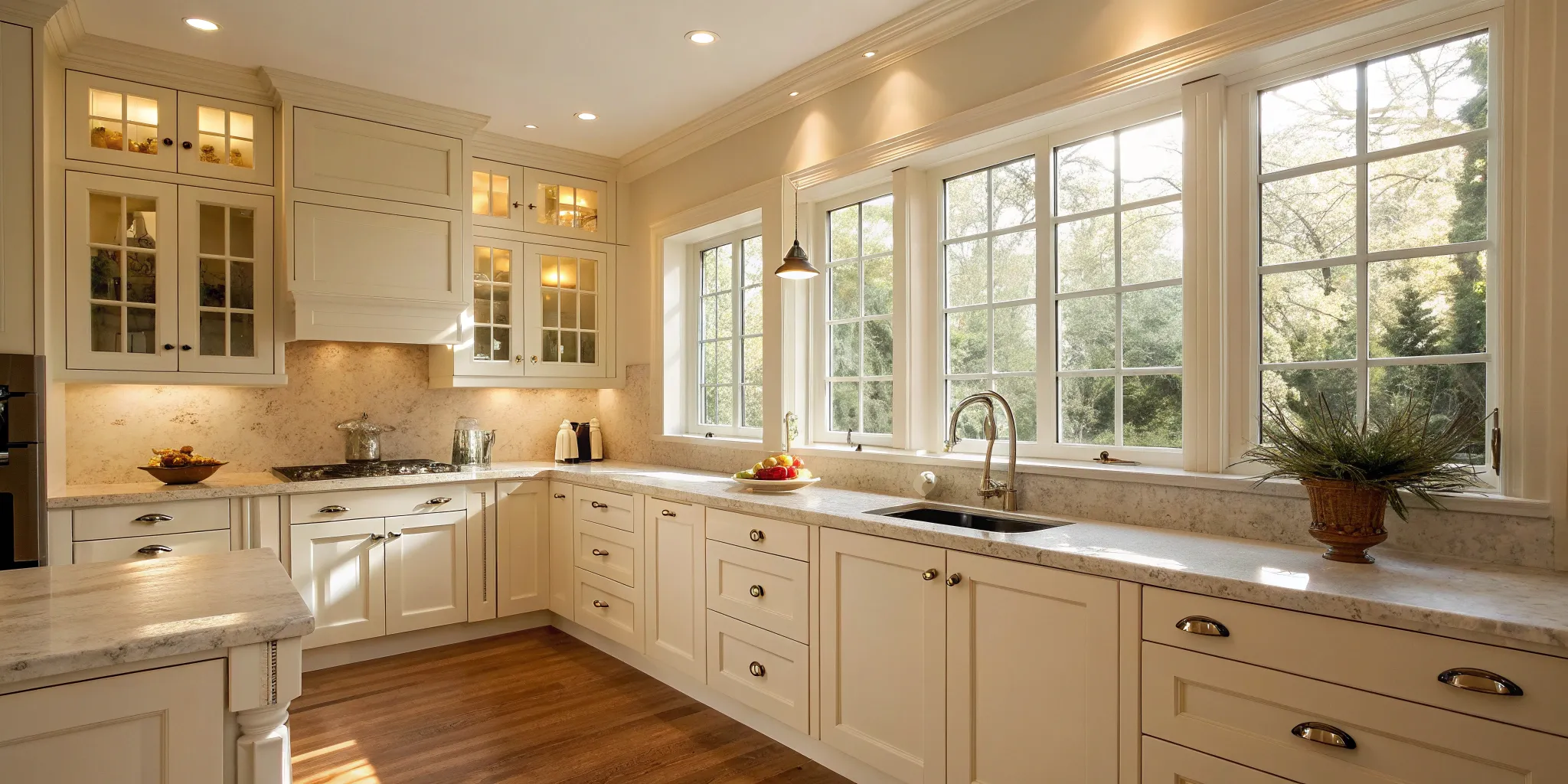
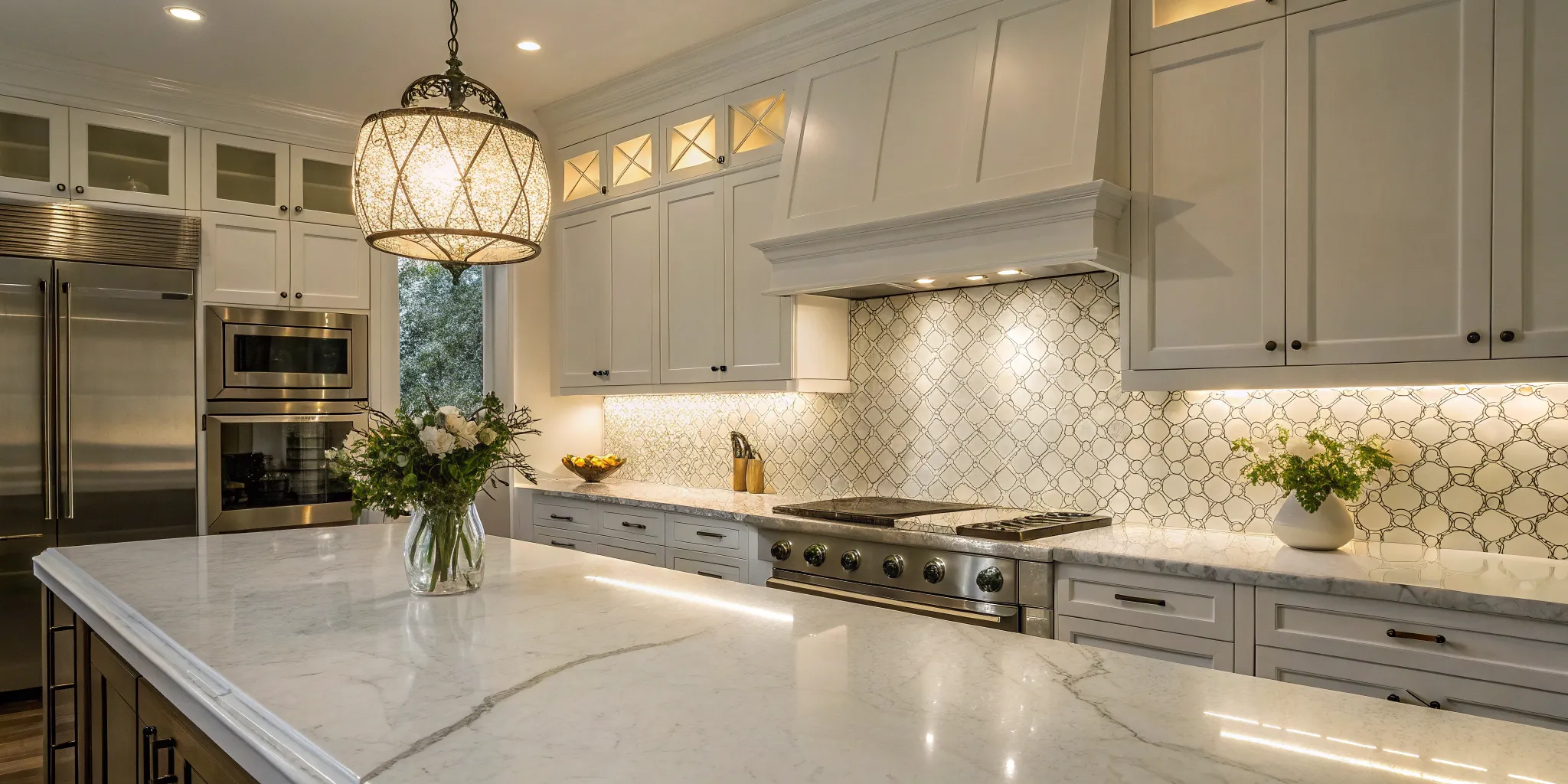
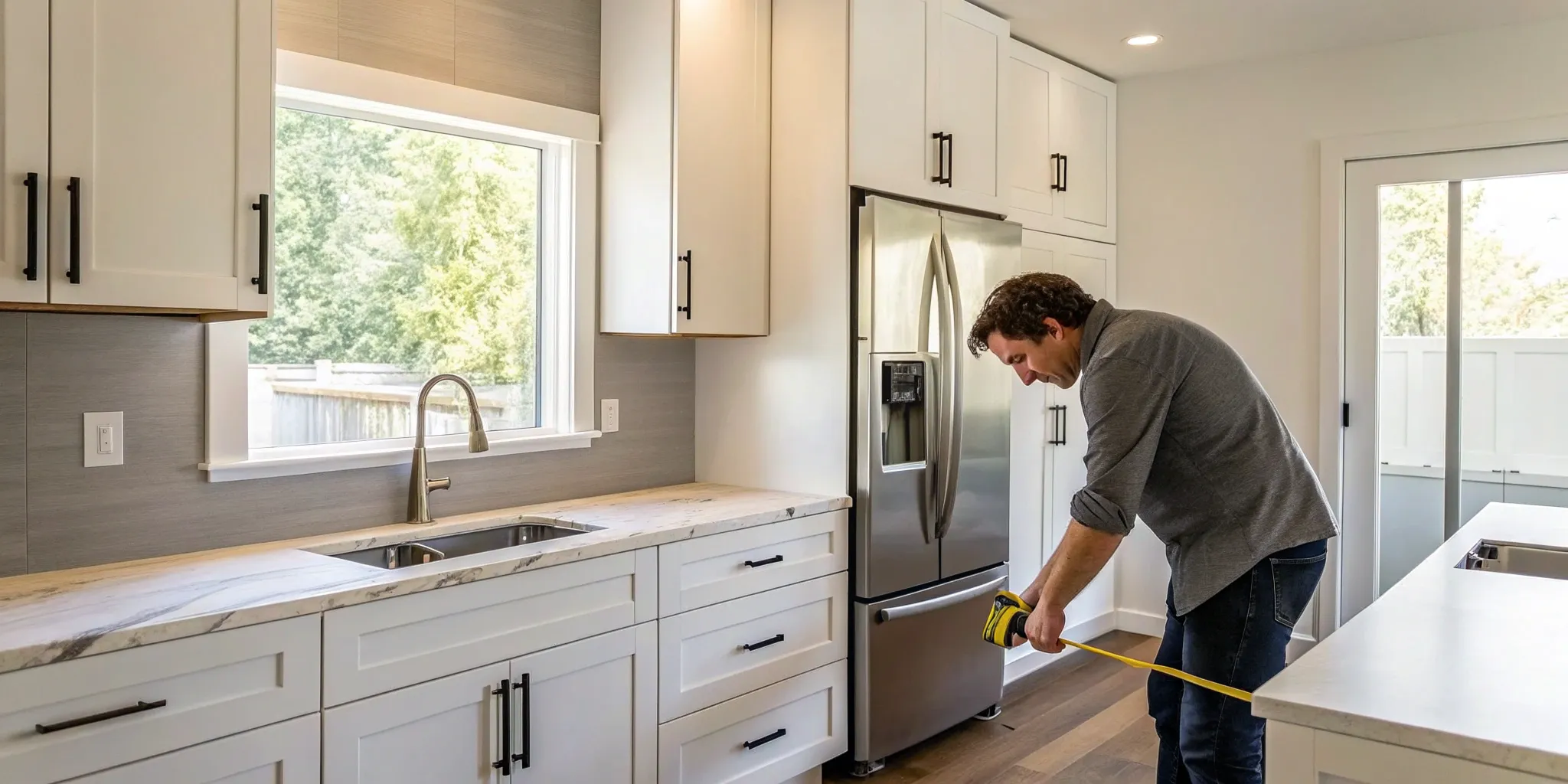
The kitchen is often the center of home life, and its renovation costs can vary widely. A minor refresh with new paint, hardware, and maybe a new appliance might land around $15,000. For a more standard, mid-range remodel involving new cabinets and countertops, you could be looking at about $30,000. If you’re dreaming of a complete overhaul with high-end materials like marble, custom cabinetry, and reconfigured plumbing, the budget can easily surpass $60,000. The final price tag really comes down to the scope of the work and the finishes you choose.
What a Bathroom Remodel Really Costs
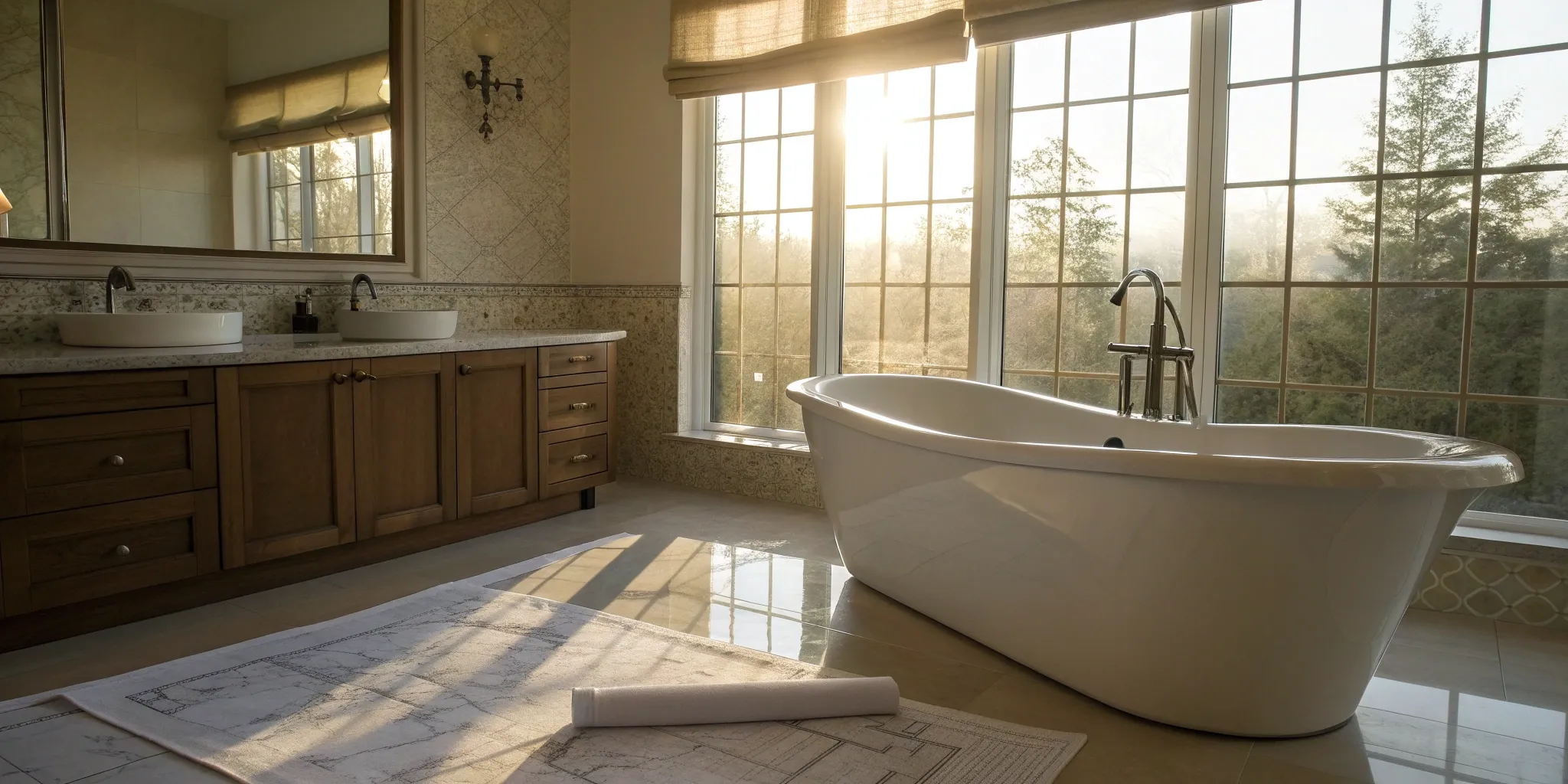
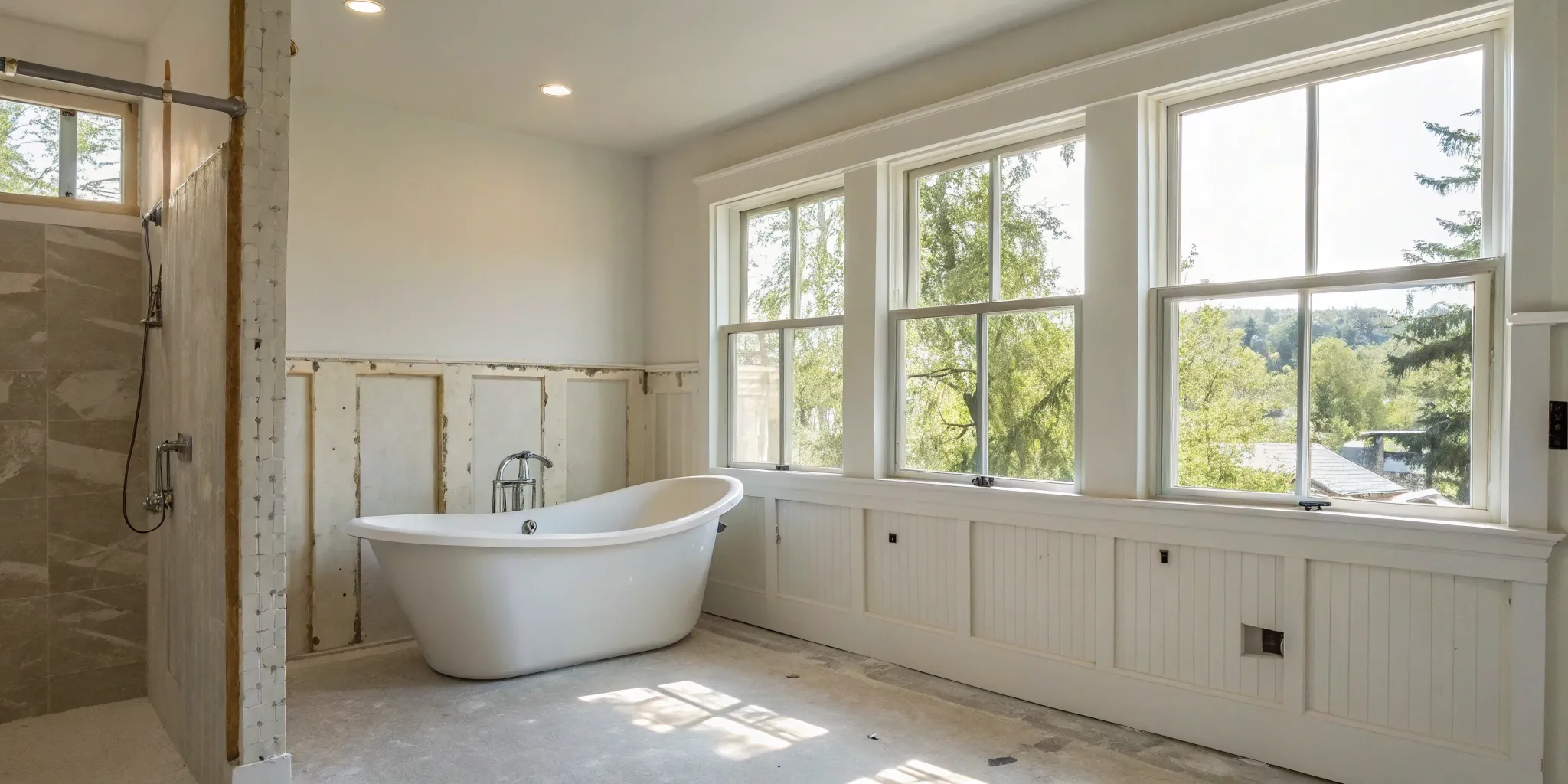
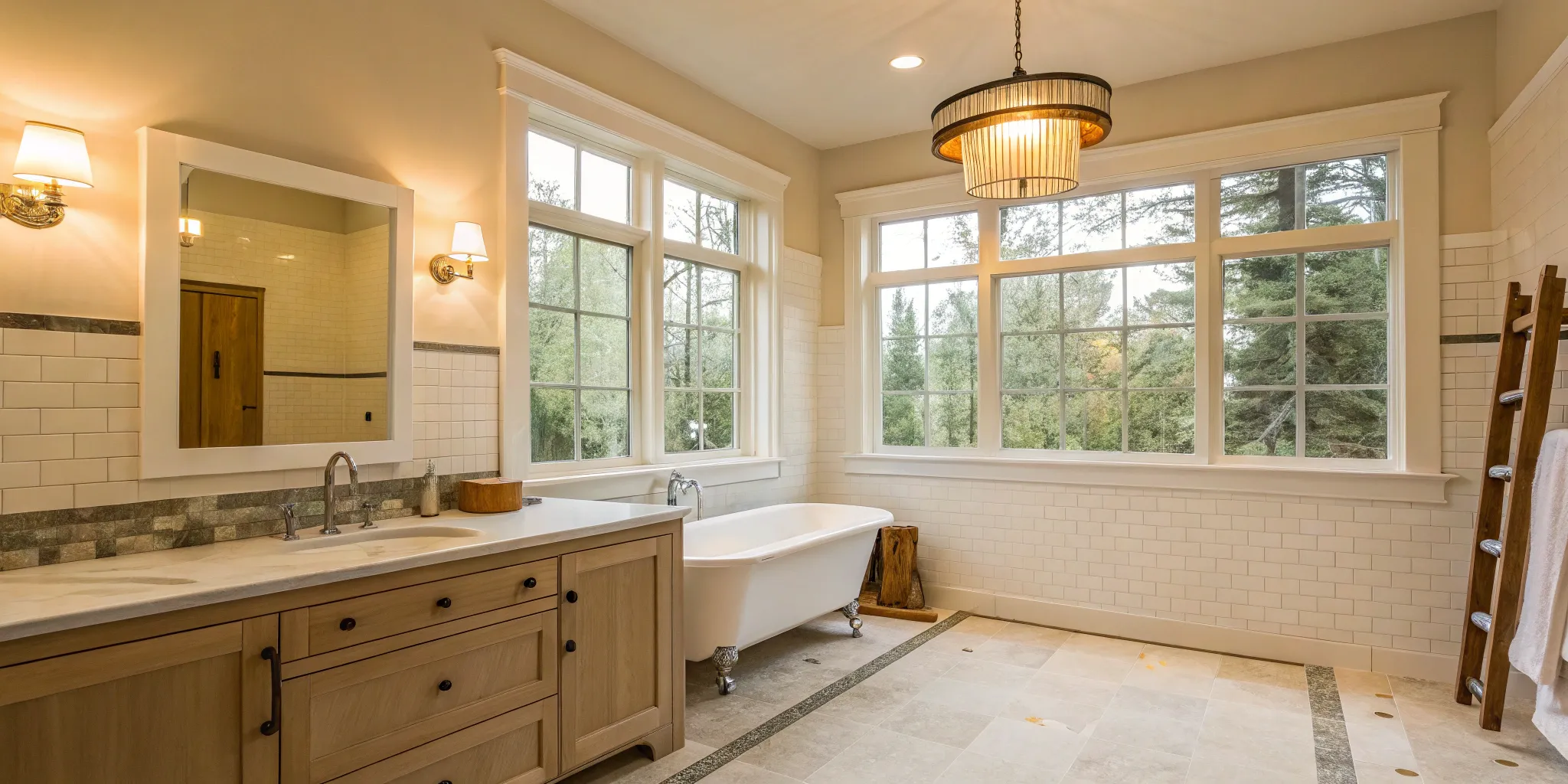
A bathroom renovation is a fantastic way to add comfort and value to your home. For a standard update, homeowners typically spend between $8,000 and $20,000. This usually covers new fixtures, tile, a vanity, and paint. If you’re planning a more luxurious primary suite with a freestanding tub, a walk-in shower, and premium materials, costs can climb above $30,000. It’s a project where small changes can make a big impact, but a full gut renovation requires careful planning and expert guidance to keep the project on track and within budget.
Updating Living Rooms and Bedrooms
Not every project has to be a major overhaul. Refreshing your living spaces is often much more affordable and can completely change the feel of your home. For bedrooms and home offices, a budget of $2,000 to $5,000 can cover new paint, flooring, and updated light fixtures. A living room update might range from $2,500 to $10,000, depending on whether you’re also investing in new furniture or built-ins. These projects are perfect for making a big visual impact without the cost and complexity of a structural renovation.
Converting Basements and Attics
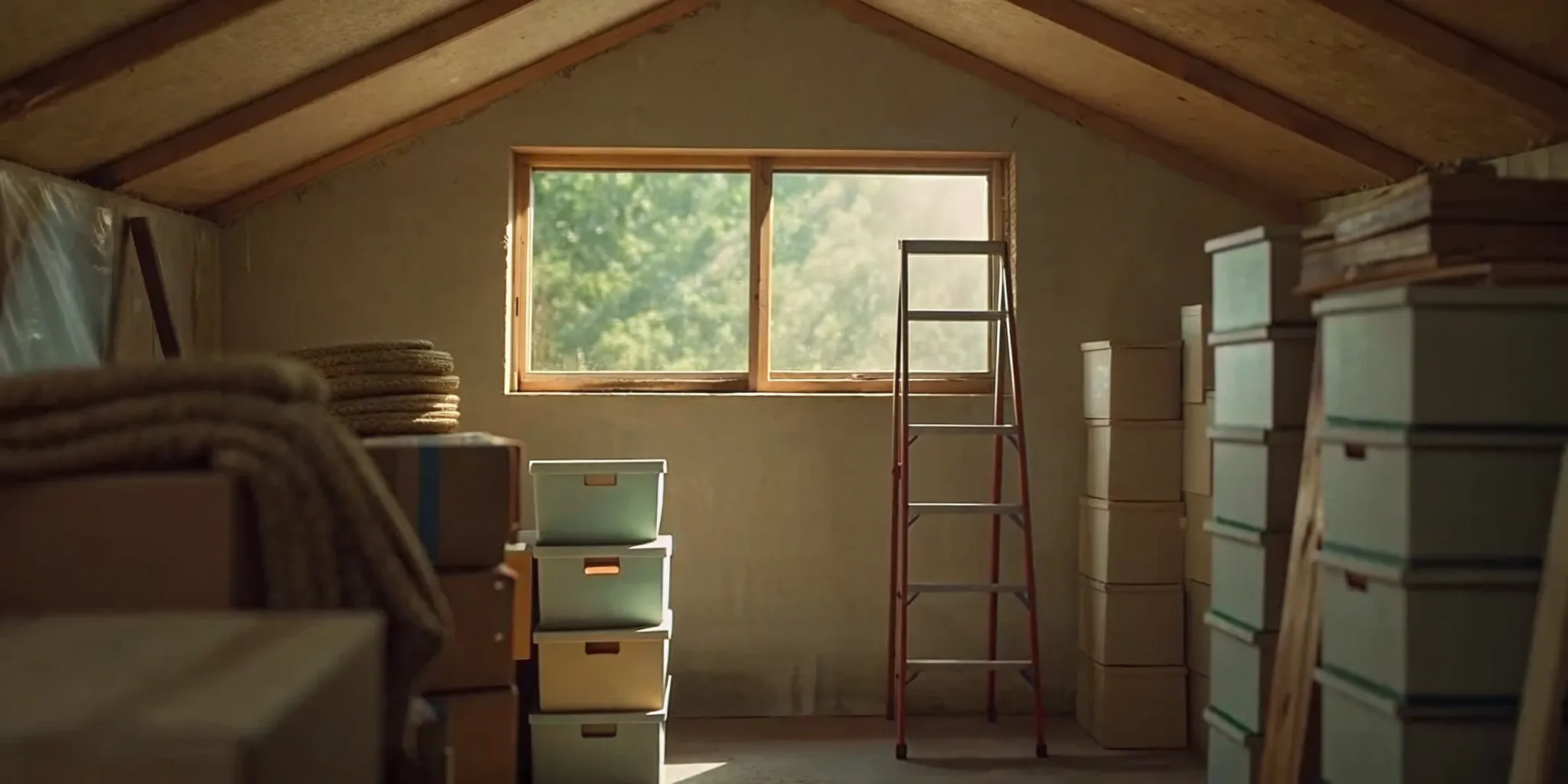
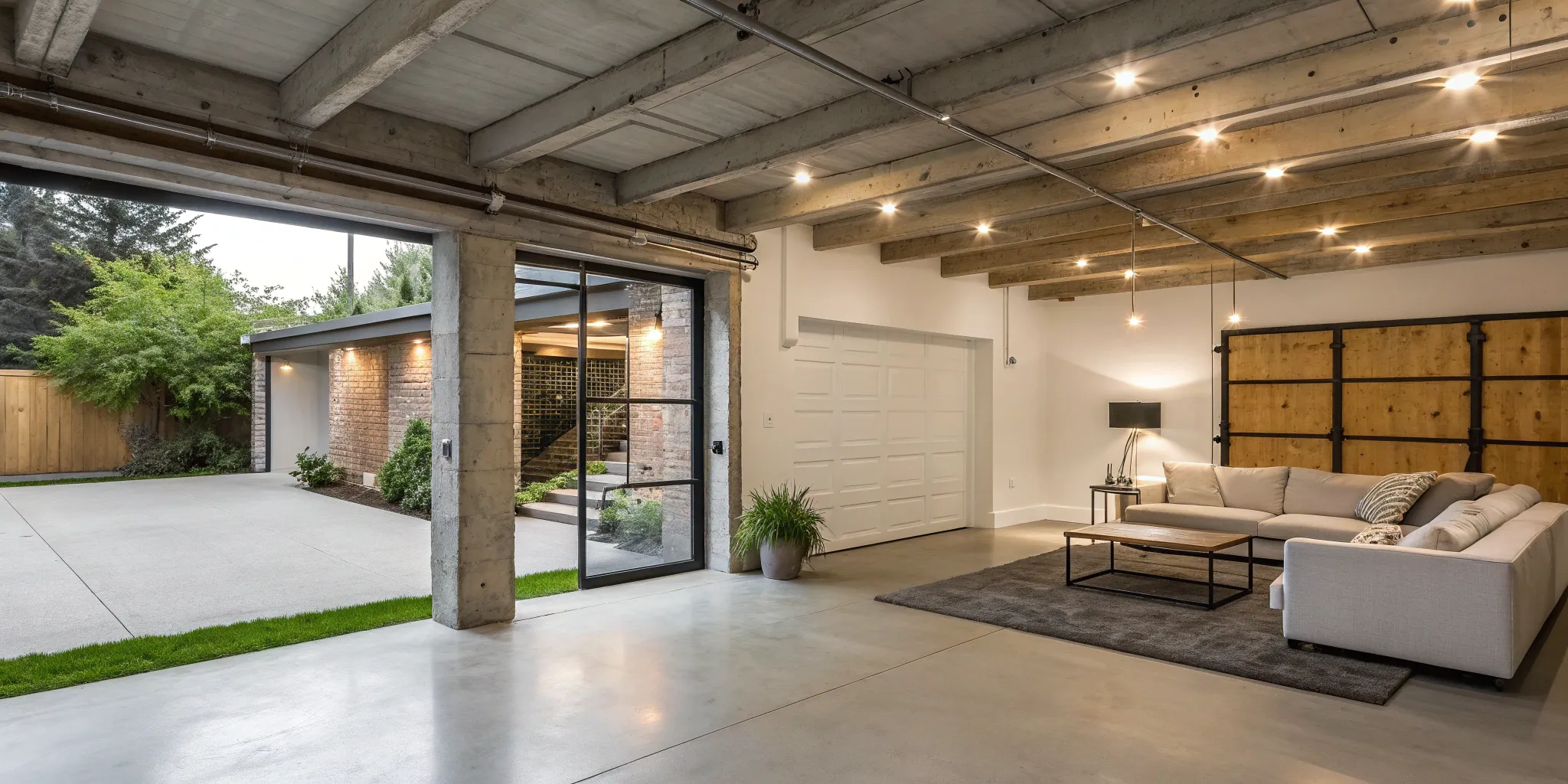
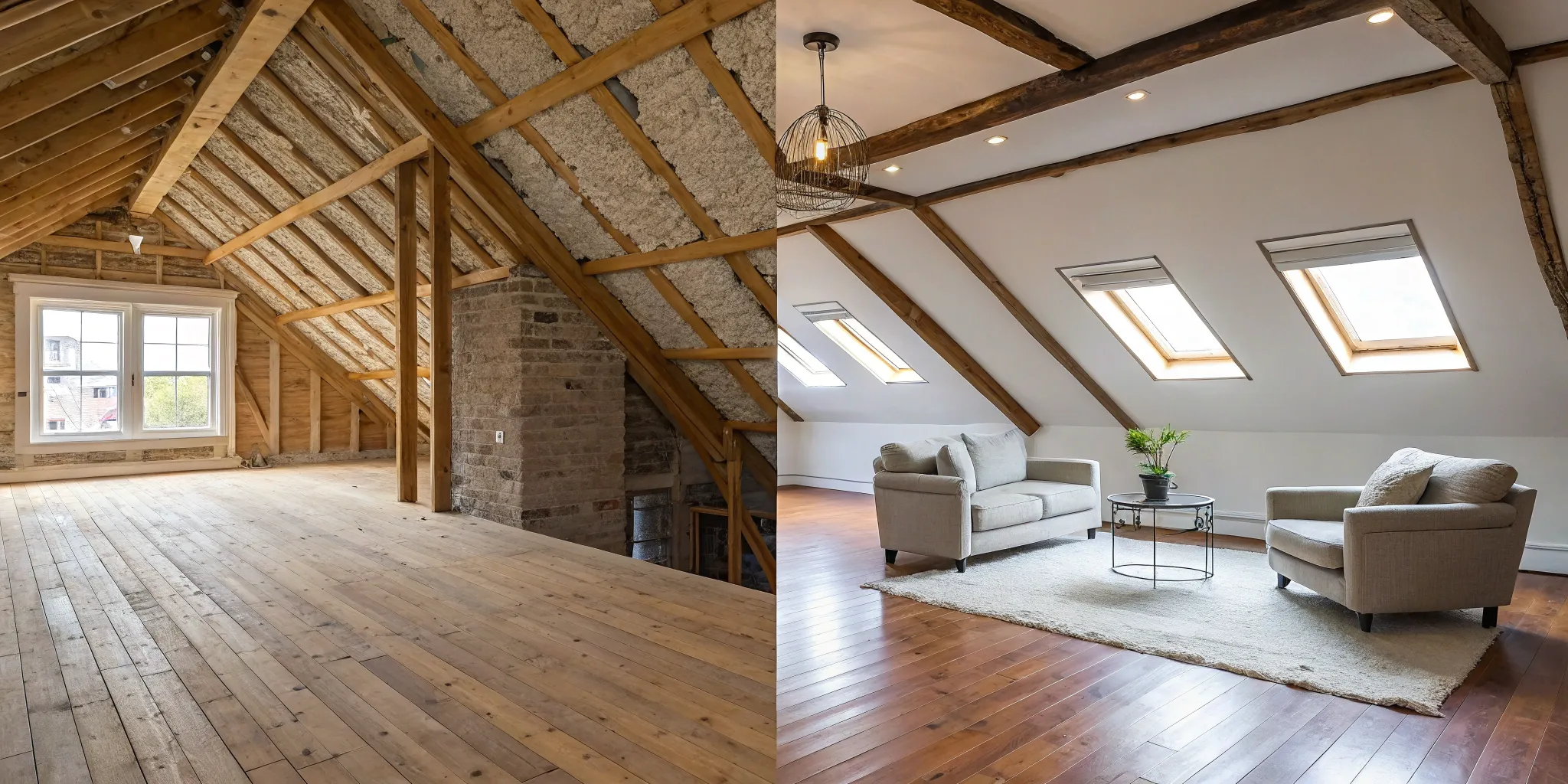
If you need more living space, look no further than your own attic or basement. Finishing a basement to create a family room or guest suite typically costs between $20,000 and $50,000. Converting an attic into a functional bedroom or office is a bit more complex and can range from $25,000 to $75,000. While these are significant investments, they are often more cost-effective than building a brand-new addition. Plus, they add valuable square footage to your home, which is a great return on investment.
Pricing Out Exterior Upgrades
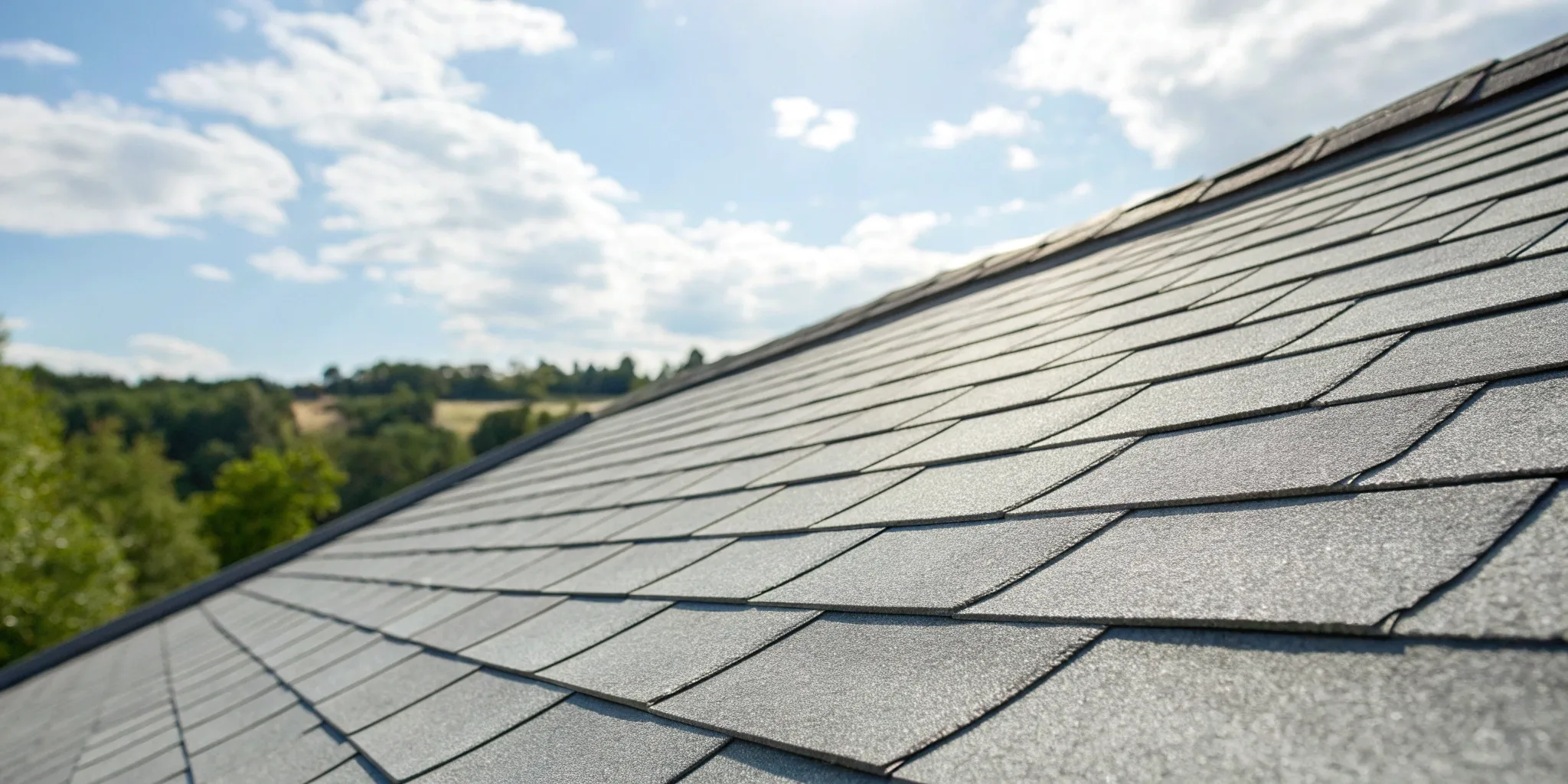
Curb appeal is real, and investing in your home’s exterior can make a lasting first impression. These projects also protect your home from the elements. Replacing a roof is a common major expense, typically costing between $8,000 and $15,000. Installing new siding is another popular project that can transform your home’s look, with costs generally falling between $10,000 and $20,000. These upgrades are essential for your home’s long-term health and can significantly increase its value when it’s time to sell.
What Factors Influence Your Renovation Budget?
When you start planning a renovation, it’s easy to focus on the final number. But that number is actually a collection of smaller costs, each influenced by different factors. Understanding these key variables is the first step to building a realistic budget and avoiding surprises down the road. From the materials you choose to the professionals you hire, every decision has an impact. Let’s break down the four biggest factors that will shape your project’s bottom line.
The Quality of Your Materials
The materials you select are one of the most significant drivers of your total renovation cost. Think of it as a spectrum: on one end, you have high-end finishes like marble countertops and custom-built cabinets, which create a luxurious feel but can easily double your expenses. On the other end, you’ll find more budget-friendly and durable options like laminate surfaces and stock cabinetry. Neither is right or wrong; it’s all about what fits your vision and financial plan. Your choices in flooring, tile, fixtures, and paint will all play a role, so it’s a great area to get clear on your priorities before you begin.
Labor and Contractor Rates
Unless you’re tackling a full DIY project, labor will be a substantial part of your budget, often accounting for 30% to 50% of the total cost. These rates aren’t just arbitrary; they reflect a contractor's experience, the complexity of the work, and the demand for skilled tradespeople in your area. A simple cosmetic update will require less specialized labor than a project involving plumbing or electrical work. This is why it’s so important to partner with vetted professionals who provide clear, detailed quotes. They can help you understand exactly what you’re paying for and ensure the job is done right the first time.
Project Scope and Permits
The size and complexity of your renovation directly influence its cost. Are you simply repainting a room, or are you tearing down walls and reconfiguring the layout? Larger projects often require building permits from your local municipality, which come with their own fees and inspection schedules. These regulations can vary quite a bit depending on where you live. For instance, homeowners in areas prone to natural disasters may face stricter building codes, especially in designated wildfire recovery zones. Factoring in the time and cost for permits from the start helps keep your project on track and fully compliant with local laws.
Uncovering Hidden Problems
Every older home has its secrets, and sometimes they’re revealed during a renovation. It’s not uncommon to open up a wall and discover outdated wiring, hidden water damage, mold, or even asbestos. While finding these issues can be stressful, addressing them is crucial for your home's safety and long-term integrity. This is one of the biggest reasons to build a contingency fund into your budget. Being prepared for potential surprises means you can handle them without derailing your entire project. A dedicated project advisor can be invaluable in these moments, helping you find the right solutions quickly.
How to Create a Budget That Actually Works
A solid budget is the foundation of any successful renovation. Think of it less as a set of restrictions and more as a strategic plan that guides every decision you make, from choosing materials to hiring contractors. It’s what keeps your project on track and prevents stressful financial surprises down the road. The key is creating a budget that’s realistic, detailed, and flexible enough to handle the unexpected. With a clear financial roadmap, you can focus on the exciting parts of transforming your space. At Realm, we help homeowners build these roadmaps every day, ensuring your vision and your finances stay aligned. Let’s walk through the steps to create a budget that truly works for you.
Set Your Total Spending Limit
Before you even think about paint colors or tile samples, you need to figure out your absolute maximum spending limit. This is your all-in number. Start by looking at your savings and determining how much you’re comfortable dedicating to the project. If you’re planning to finance part of the renovation, get pre-approved so you know exactly what you can borrow. It’s also crucial to understand what your project should cost based on your goals and location, not just a ballpark guess. A Realm project plan can give you a data-driven estimate to help you set a realistic and achievable total budget from the start.
Allocate Funds by Priority
Once you have your total number, it’s time to break it down. Not all parts of a renovation are created equal. Make a list of everything you want, then separate it into "must-haves" and "nice-to-haves." This helps you focus on the projects that will give you the most value and satisfaction for your money first. For example, fixing a leaky roof is a must-have, while high-end smart home features might be a nice-to-have. Allocating funds this way ensures your essential needs are met before you spend on cosmetic upgrades, keeping your budget focused on what matters most.
Build In a Contingency Fund
Here’s a rule every renovation pro lives by: expect the unexpected. A contingency fund is a portion of your budget, typically 10% to 20%, set aside specifically for unforeseen issues. You never know what you might find when you open up walls or floors, from outdated wiring to hidden water damage. Having this buffer built into your budget from day one prevents a minor hiccup from turning into a major financial crisis. It’s the single best thing you can do for your peace of mind during the renovation process.
Common Budgeting Mistakes to Sidestep
One of the biggest sources of renovation regret comes from budget surprises. A frequent error is underestimating the total cost of a project because it’s easy to focus on the big-ticket items and forget about the smaller expenses. Many homeowners overlook hidden costs like permits, delivery fees, labor, and taxes, which can add up quickly. To avoid this, work with professionals who provide detailed, line-item estimates. A clear and comprehensive plan is your best defense against unexpected expenses, ensuring you feel confident and in control throughout your project. That's a core part of the Realm experience.
How to Finance Your Home Renovation
You have your budget planned out, and you know what you want to achieve. Now for the big question: how will you pay for it all? Funding a home renovation can feel just as complex as the project itself, but there are several smart ways to finance your dream home without draining your savings. The right path for you depends on your project's scope, your personal finances, and how much equity you have in your home. It's about finding a solution that feels comfortable and sustainable for you long-term.
From tapping into your home's value with a home equity loan to considering a personal loan for smaller updates, each option has its own set of benefits. Think of financing as just another part of the project plan. It requires a bit of research and careful consideration, but finding the right fit can make the entire process smoother and less stressful. It's also worth noting that different financing methods come with different timelines and application processes, so it's wise to start exploring your options early. Remember, you don’t have to figure this out alone. A dedicated Realm advisor can help you understand your options and connect you with the right financial resources, making the entire process feel much more manageable from start to finish.
Home Equity Loans and Lines of Credit
If you’ve owned your home for a few years, you’ve likely built up some equity, which is the difference between your home's market value and what you owe on your mortgage. Home equity loans and home equity lines of credit (HELOCs) are two popular ways to borrow against that value. A home equity loan provides you with a lump sum of cash upfront with a fixed interest rate, which is great for projects with a clear, defined cost. A HELOC, on the other hand, works more like a credit card, giving you a line of credit you can draw from as needed. This flexibility is perfect for projects where costs might change along the way.
Personal Loans and Cash-Out Refinancing
What if you don't have a lot of equity or prefer not to use your home as collateral? A personal loan can be a fantastic option, especially for smaller-scale renovations. These loans are typically unsecured, and the approval process is often quicker than for equity-based loans. For a much larger overhaul, you might consider a cash-out refinance. This process involves replacing your current mortgage with a new, larger one and taking the difference in cash. It’s a significant financial decision, but it can be a great move if you’re also able to secure a lower interest rate on your mortgage. Both personal loans and refinancing are solid choices depending on your project's scale.
Government Programs and Tax Incentives
Before you commit to a loan, take some time to see if you qualify for any special programs that could ease the financial load. Depending on your location and the type of renovation you’re planning, you might be eligible for certain government programs or tax incentives. These are often designed to encourage homeowners to make specific upgrades, such as improvements in energy efficiency (like new windows or solar panels) or modifications that make a home more accessible. A little research into these government programs and incentives could uncover savings you didn't know were available, helping your renovation budget stretch even further.
How to Control Costs Without Cutting Corners
Keeping your renovation budget on track doesn’t mean you have to settle for a result you don’t love. It’s all about making strategic decisions from the very beginning. With a little bit of planning and some savvy choices, you can manage your spending effectively while still achieving a high-quality finish. Think of it less as cutting corners and more as spending smarter. A well-managed budget is the foundation of a successful renovation, preventing the stress that comes from unexpected expenses and ensuring you can complete the project without financial strain.
The key is to focus your budget on the elements that matter most to you and find clever ways to save on the rest. From knowing which tasks to tackle yourself to choosing the right materials, every decision plays a role in your final costs. We’ll walk through four practical strategies that will help you maintain control over your finances without compromising the integrity or beauty of your project. These steps will empower you to move forward with confidence, knowing you have a solid plan to get the most value out of every dollar you spend.
Know When to DIY vs. Hire a Pro
The urge to save on labor costs by doing it yourself is completely understandable. For tasks like painting, demolition, or installing new hardware, a little sweat equity can go a long way. However, it’s important to be honest about your skill set and the time you can realistically commit. A project that’s beyond your abilities can lead to costly mistakes and even bigger repair bills down the line.
For specialized work like plumbing, electrical, and structural changes, it’s almost always best to hire a professional. When you do, make sure to check their insurance, bonding, and reviews. Always get a detailed, written price estimate before work begins and clarify who is responsible for securing the necessary permits.
Make Smart Material Selections
Your choice of materials is one of the biggest factors influencing your total renovation cost. High-end finishes like marble countertops and custom cabinets can easily double your expenses. On the other hand, budget-friendly renovations often use more affordable, off-the-shelf options like stock cabinetry and laminate flooring to keep costs down.
Making smart material selections doesn’t mean you have to sacrifice style. You can often find beautiful, durable alternatives that offer a similar look for less. For example, consider quartz instead of marble for your countertops, or high-quality luxury vinyl tile that mimics the appearance of hardwood. The goal is to find the perfect balance between aesthetics, durability, and price to fit your specific budget.
Get Multiple Contractor Quotes
Never accept the first bid you receive. It’s essential to get multiple contractor quotes to get a clear picture of the fair market rate for your project. This step helps you avoid overpaying and gives you a chance to meet different professionals and find the right fit for your personality and communication style.
When comparing bids, don’t just look at the final number. A thorough quote should provide a detailed breakdown of costs for labor, materials, and permits. Make sure each contractor is bidding on the exact same scope of work so you can make an accurate comparison. A suspiciously low bid could be a red flag, potentially indicating lower-quality materials or an incomplete understanding of the project.
Phase Your Project Over Time
If you’re planning a large-scale renovation but don’t have the budget to do everything at once, consider breaking it up into smaller, more manageable stages. This approach allows you to phase your project over time, spreading the costs out and making the financial commitment feel less overwhelming.
For instance, you could focus on remodeling the kitchen this year and then tackle the primary bathroom next year. This strategy not only helps with cash flow but also reduces the disruption to your daily life. By renovating one area at a time, you can save up for each phase and complete your dream home transformation at a pace that feels comfortable for you and your wallet.
What to Expect During the Renovation
Once your budget is set and you’re ready to start, the project moves into the construction phase. This is where your vision starts to take shape, but it’s also where things can get complicated. Knowing what’s coming can help you handle the process with confidence. From working with your build team to managing the inevitable surprises, being prepared is your best strategy for a smooth and successful renovation. A clear understanding of timelines, communication, and potential changes will keep your project on track and your stress levels down.
Partnering with Vetted Professionals
The success of your renovation heavily depends on the people you hire. Choosing the right contractor is one of the most critical decisions you'll make. You’ll want to work with professionals who are licensed, insured, and have a portfolio of experience relevant to your project. Don't be shy about asking questions about their process, the subcontractors they use, and the warranties they offer. This is where having expert guidance can make a huge difference. A trusted partner can connect you with a network of vetted contractors, saving you the time and uncertainty of searching on your own and ensuring you have the right team for the job.
Understanding Project Timelines
It’s easy to get impatient when you’re living in a construction zone, so setting realistic expectations for your project timeline is key. A standard kitchen remodel might take six to eight weeks, while more complex custom work could extend to 12 weeks or more. The timeline depends entirely on the scope of your project. Simple cosmetic updates will be much faster than renovations that involve moving walls, rerouting plumbing, or changing the electrical layout. Your contractor should provide a detailed schedule before work begins, but remember that delays can happen. Regular check-ins will help you stay informed about progress and any adjustments to the timeline.
Managing Unexpected Costs and Changes
Even with the most detailed plan, surprises are a normal part of any renovation. This is why a contingency fund is non-negotiable. Budget surprises are one of the biggest regrets for homeowners, often because they didn't plan for them. When you open up walls or floors, you might find anything from outdated wiring to hidden water damage that needs to be addressed. Having that extra money set aside (typically 10% to 20% of your total budget) means these discoveries won't derail your project. An experienced advisor can help you anticipate potential issues and manage change orders, ensuring unexpected costs are handled without compromising your vision.
Related Articles
- How to Estimate Bathroom Remodel Cost Accurately
- How to Get a Bathroom Remodel Quote & Spot Red Flags
- Your Residential Remodel Construction Step-by-Step
- How to Estimate a Bathroom Remodel: A Full Breakdown
- Bathroom Remodel Estimate Sample: A Cost Breakdown
Frequently Asked Questions
Why do renovation costs vary so much, even for the same type of project? Think of a renovation cost as a unique recipe for your specific home. The final price depends on three main ingredients: the quality of materials you choose, the labor rates in your specific zip code, and the complexity of the work. A kitchen remodel that keeps the existing layout will cost far less than one that involves moving walls and rerouting plumbing. Similarly, choosing stock cabinets and laminate countertops will have a very different price tag than custom cabinetry and marble.
Is a 10-20% contingency fund really necessary? Yes, absolutely. It’s the single best way to protect your budget and your peace of mind. A contingency fund isn’t for splurging on upgrades; it’s a safety net for the problems you can’t see, like discovering outdated wiring or hidden water damage once a wall is opened up. Having that buffer means a surprise issue becomes a manageable task instead of a budget-breaking crisis that halts your entire project.
How can I be sure I'm getting a fair price from a contractor? The best way to gauge a fair price is to get at least three detailed quotes from different contractors. When you compare them, look beyond the final number. A good bid will break down the costs for labor, materials, and any permit fees. If one quote is significantly lower than the others, it could be a red flag that they're using lower-quality materials or have misunderstood the scope of the work.
When should I start thinking about financing for my renovation? You should explore your financing options very early in the planning process, even before you start talking to contractors. Getting pre-approved for a loan or setting up a line of credit gives you a firm, realistic number for your total spending limit. This helps you create a budget that is grounded in reality from day one, preventing you from planning a project that is ultimately outside your financial reach.
My budget is tight. What's the best way to start if I can't afford a full remodel right now? You don't have to do everything at once. A great strategy is to phase your renovation over time. Start by identifying the project that will have the biggest impact on your daily life. You could focus on one room, like a bathroom update, and then plan to tackle the kitchen next year. This approach makes the cost more manageable and allows you to complete your vision at a pace that feels comfortable for your finances.






























.png)












.png)