How to Apply for a Building Permit for a Home Addition
Get step-by-step guidance on how to apply for a building permit for a home addition, including tips for paperwork, fees, and avoiding common mistakes.
|
January 29, 2026
In this article:
Skipping the permit process on a home addition might seem like a tempting shortcut to save time and money, but the risks are significant. Unpermitted work can lead to stop-work orders, hefty fines, and even being forced to tear down your new space. More importantly, it jeopardizes your family’s safety and can create major problems when you try to sell your home later. Securing a permit is your assurance that the project is structurally sound and legally compliant. It’s the foundation of a successful renovation. This guide will walk you through the essential steps, explaining how to apply for a building permit for a home addition correctly from the start, protecting your investment for years to come.
Key Takeaways
- Secure Your Permit to Protect Your Investment: Think of a building permit as quality control for your project. It’s the official process that verifies your addition is safe, structurally sound, and legal, which prevents costly fines and protects your home's future resale value.
- A Complete Application is the Fastest Path to Approval: The most common reason for permit rejection is simple paperwork errors. Your best strategy for a speedy approval is submitting a complete and accurate application package that includes detailed architectural plans, site surveys, and engineering reports.
- Understand Local Rules Before Finalizing Your Design: Every city has specific zoning laws that dictate how close you can build to property lines and how large your addition can be. Researching these regulations upfront and working with professionals who know them is essential to avoid major redesigns and denials.
What is a building permit? (And why you need one for your addition)
Think of a building permit as the official green light from your local government to start your home addition. It’s a formal document confirming that your project plans meet all the required safety and construction standards for your area. Before you can break ground, you must obtain a building permit from the local building department. This process ensures that every aspect of your addition—from the foundation and framing to the electrical and plumbing systems—is designed to be safe, sound, and compliant with all local regulations.
Getting a permit might seem like just another piece of administrative work, but it’s a critical step in any major renovation. It’s the system that holds your project accountable to established safety protocols, protecting not only your family but also your community. The permit process involves a detailed review of your architectural plans and construction drawings by city officials. They check for compliance with zoning laws, building codes, and other ordinances. This isn't just about bureaucracy; it's about ensuring your new space is structurally sound and won't pose a hazard. Navigating the permitting process can feel complex, which is why having an expert guide you through the steps is so valuable. At Realm, we help you understand exactly what’s needed so your project starts off on the right foot.
Keeping your project safe and up to code
The primary reason for building permits is safety. Local building codes are a set of rules that dictate how structures should be built to withstand things like earthquakes, high winds, and fires. When you get a permit, an official inspector will visit your site at key stages of construction to verify the work is being done correctly.
This oversight ensures your project meets all applicable building codes and safety standards, protecting your investment and, more importantly, your family. It confirms that your addition’s foundation is strong enough, the electrical wiring is installed safely, and the plumbing is up to par. A permit is your assurance that your new space is built to last and won’t cause problems down the road.
What happens if you skip the permit?
It can be tempting to bypass the permit process to save time and money, but the risks far outweigh the benefits. If the city discovers unpermitted work, they can issue a “stop-work order,” halting your project immediately. You could face significant fines and even be required to tear down the completed work at your own expense.
Beyond immediate penalties, skipping a permit can create major headaches later. If you ever decide to sell your home, unpermitted additions can complicate the sale or lower your property value. Lenders may refuse to finance a home with illegal additions, and homeowner’s insurance might not cover damages that occur in an unpermitted space. Ultimately, if you ignore local building codes and zoning laws, your project could be deemed illegal, leading to costly fixes.
Does your home addition need a permit?
Let’s get straight to the point: if you’re planning a home addition, the answer is almost certainly yes, you will need a permit. It’s easy to think of permits as just another piece of paperwork, but they serve a critical purpose. A building permit is official approval from your local government that your project plans comply with building codes, zoning laws, and construction standards. Think of it as a system of checks and balances designed to keep you, your family, and your investment safe.
The permit process ensures that your new space is structurally sound, the electrical work is safe, and the plumbing is up to code. It protects your home’s resale value, as unpermitted work can cause major headaches for future buyers and even lead to you having to tear the addition down. While it might seem like an extra step, securing the right permits from the start is one of the smartest things you can do. It’s the official green light that says your project is safe, legal, and built to last. A Realm advisor can help you figure out exactly what your project needs before you even start.
How project size and scope play a role
You might think only massive, multi-room additions need a permit, but that’s a common misconception. The need for a permit is tied more to the type of work being done than the square footage. If your project involves changes to the building’s structure, electrical systems, or plumbing, you’ll need a permit. This means even a small bump-out for a breakfast nook or a bathroom expansion could require one. Any time you’re moving walls, adding new wiring, or changing pipe layouts, your local building department wants to review the plans to ensure everything is done safely and correctly.
Additions that almost always require a permit
While smaller projects can sometimes fall into a gray area, certain additions will always require a building permit. Before you start any major construction, you must get approval from your local building department. This isn't just a suggestion; it's a legal requirement. Projects that almost universally need a permit include building a new bedroom or bathroom, adding a second story, constructing an attached garage, or even building a large, elevated deck. These projects significantly alter your home’s structure and footprint, making a thorough review of your construction plans essential for safety and compliance.
Understanding local zoning and property line rules
Getting a permit isn’t just about the structure itself; it’s also about how your addition fits into your property and your neighborhood. Every city has its own set of zoning laws and building codes that dictate what you can build and where. These rules cover things like setbacks (how far your addition must be from your property lines), height limits, and lot coverage (the percentage of your property that can be covered by structures). Overlooking these local requirements is a frequent mistake that can stop a project in its tracks. It’s crucial to do your research upfront to ensure your plans are realistic and compliant.
Your permit application checklist: What to gather
Think of your permit application as the instruction manual for your home addition. Your local building department needs to see exactly what you’re planning to build, how you’re going to build it, and that it will be safe and sound. While every city has its own specific rules, most applications require a core set of documents. Getting these papers in order before you head to the permit office is the single best thing you can do to make the process smoother.
Below is a checklist of the most common items you’ll need to prepare. Your project’s designer or contractor can help you pull all of this together.
Architectural plans and construction drawings
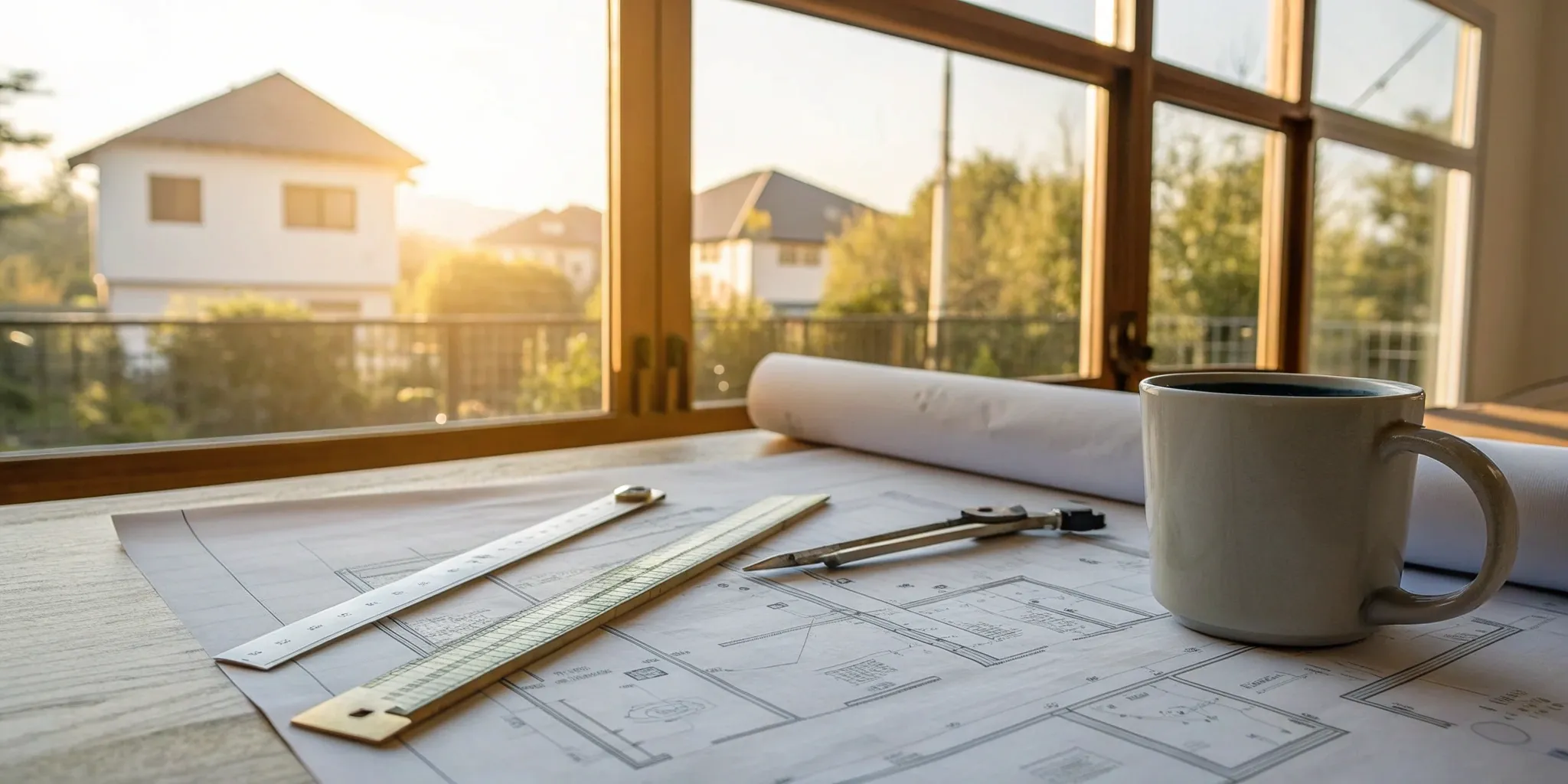
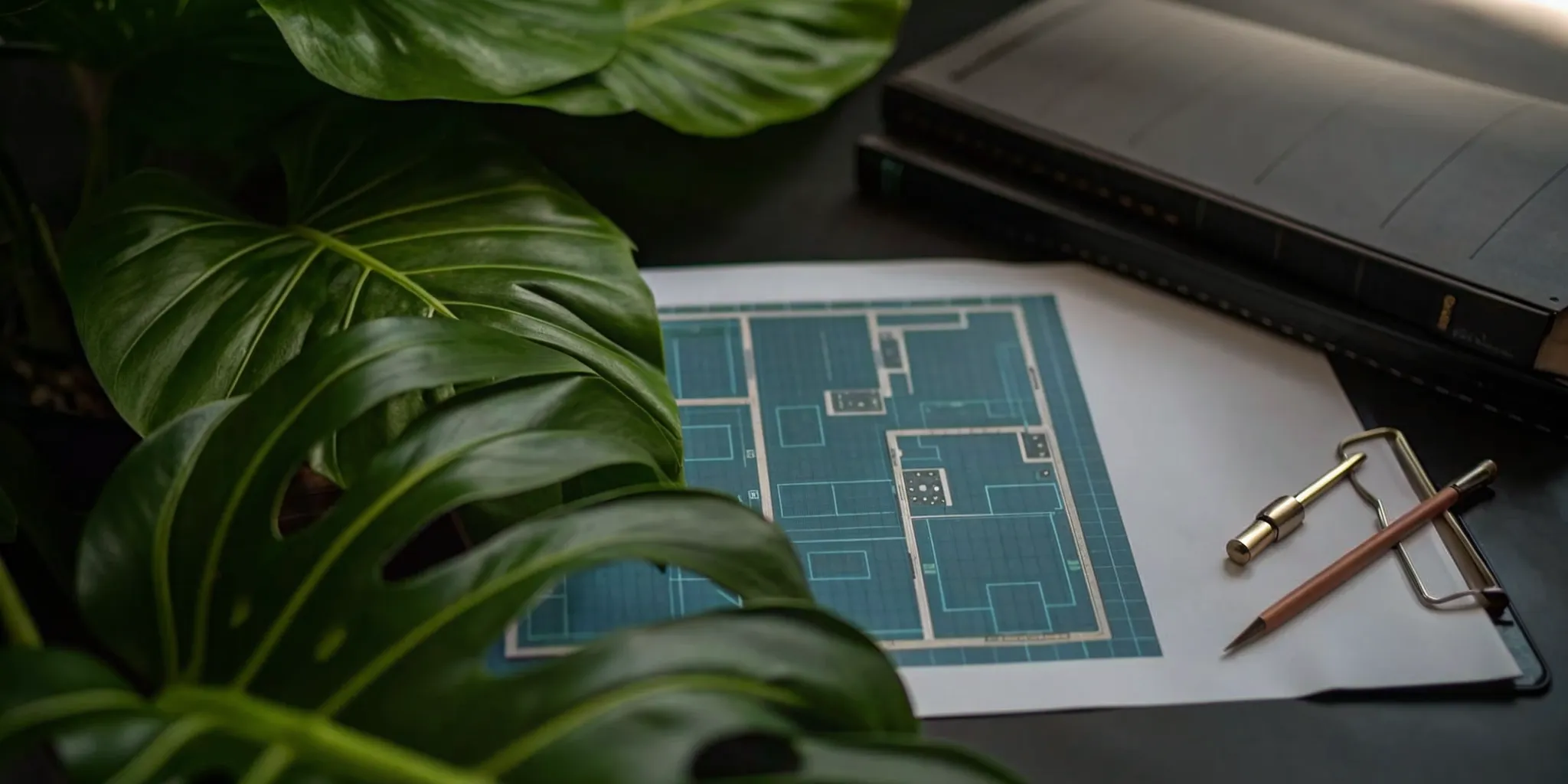
This is the heart of your application. Architectural plans are the detailed blueprints that show exactly what your new space will look like. They’re much more than a simple sketch; they are precise, to-scale drawings that include floor plans, exterior elevations (what the addition will look like from the outside), and cross-sections that show how the new structure is built. These plans need to be created by a qualified professional, like an architect or a building designer. They will compile all the necessary drawings to clearly communicate every detail of your project, from the dimensions of the rooms to the types of materials you’ll be using.
Site plans and property surveys
While architectural plans focus on the addition itself, the site plan shows how it fits onto your property. This drawing maps out your entire lot, including the location of your existing home, property lines, driveways, and any other structures. It clearly marks where the new addition will be built, demonstrating that it meets local zoning requirements for setbacks—the required distance between your home and your property lines. To create an accurate site plan, you’ll likely need a recent property survey. Some cities even require a tree disposition plan, which details any trees that will be removed or impacted by the construction.
Engineering and structural reports
If architectural plans are the heart of your application, engineering reports are the bones. A licensed structural engineer must review your plans and provide calculations to prove the addition will be structurally sound. This is especially important in areas with specific environmental factors, like earthquakes or high winds. These reports include crucial details about the foundation, wall framing, roof structure, and how the new addition will safely connect to your existing home. Your application will also need to include plans for your electrical, plumbing, and HVAC systems, which are often handled by specialized engineers or your contractor.
Environmental plans (if required)
Depending on your property’s location, you may need to submit environmental reports. These are typically required if your home is on a steep slope, near a creek or wetland, or in another environmentally sensitive area. These plans address potential issues like soil stability, drainage, and erosion control during and after construction. Your local building department will have very specific submission guidelines, so pay close attention to the details. They often specify everything down to the paper size, such as requiring all documents to be printed on single-sided, 8.5 x 11-inch paper. Following these small rules can prevent unnecessary delays in the review process.
How to apply for a building permit, step by step
Getting a building permit can feel like a huge hurdle, but it’s really just a series of manageable steps. Think of it as your project’s roadmap to safety and compliance. The process ensures your home addition is built correctly and meets all local standards, protecting your investment and your family. Breaking it down makes it much less intimidating. You’ll start with a bit of research, move on to preparing your application, and finish with inspections during construction. While it requires attention to detail, a well-prepared application can move through the system smoothly. And remember, you don't have to do it alone. Working with an experienced team, like your Realm advisor, can make this process much simpler, as they handle the coordination for you.
Step 1: Research your local requirements
Before you do anything else, you need to understand the specific rules in your area. Every city and county has its own set of building codes and zoning ordinances that dictate what you can build, where you can build it, and how it needs to be constructed. Almost all home additions require a permit, so this isn't a step you can skip. Start by visiting your local building department's website. Look for information on residential additions to find checklists, forms, and contact information. This initial research will help you ensure your plans are compliant from the very beginning, saving you from costly revisions down the road.
Step 2: Prepare and submit your application
Once you know what your city requires, it’s time to gather your documents. A complete application is your best tool for a speedy approval. You’ll need to compile a set of detailed plans and reports, which are typically prepared by your architect or designer. This package usually includes architectural plans showing the design, site plans illustrating the addition's location on your property, and engineering reports that verify the structural integrity. Make sure every document is included and every form is filled out correctly. Submitting a thorough and accurate application is key to avoiding delays and getting your project started on time.
Step 3: Pay fees and schedule inspections
After you submit your application, you’ll need to pay the associated permit fees. The cost can vary quite a bit depending on your project's size and complexity, but it’s a necessary part of your renovation budget. The average cost for a building permit is around $1,650, but it can range from about $530 to over $3,000. Once your permit is approved and construction begins, you’ll also need to schedule inspections. A city inspector will visit your home at key stages of the project—like foundation, framing, and electrical—to verify that the work meets code requirements, ensuring your addition is safe and sound.
How long does permit approval usually take?
The timeline for permit approval can be one of the most unpredictable parts of a renovation. It can take anywhere from a few weeks to several months, depending on your project's complexity and how busy your local building department is. The best way to keep things moving is to maintain clear and consistent communication. If the review board has questions or needs more information, responding quickly is essential. This is where having a dedicated professional on your side can be a huge advantage. Good communication between your team and the review board is the key to moving your application through the process as efficiently as possible.
How much does a building permit cost?
Let’s talk about one of the biggest questions on every homeowner’s mind: the cost. The price of a building permit isn’t a simple, flat fee. It varies widely based on your project's size, complexity, and location. Think of it less like buying a single ticket and more like paying for a series of services—from initial plan reviews to final inspections—that ensure your addition is safe and sound.
While the final number can seem daunting, understanding how it’s calculated helps you budget accurately and avoid surprises. The total cost is typically tied to the overall value of your construction project. A larger, more complex addition will naturally have higher permit fees than a small, straightforward one. Your local building department sets these fees, so the cost for the same project can differ from one city to the next. Getting a handle on these potential expenses early on is a key step in planning a successful and stress-free renovation. With a clear picture of the costs, you can confidently move forward with your project.
How permit fees are calculated
Most building departments calculate permit fees based on your project’s valuation—the total cost of labor and materials. While the national average cost for a building permit is around $1,650, the range is huge, from a few hundred to several thousand dollars. For a major project, the fees can be substantial. For example, a 500-square-foot addition with a construction value of $250,000 could have permit fees as high as $12,000 in some areas.
Because this is tied to your project's scope, it’s important to have a realistic construction budget from the start. This valuation is what the city uses to determine its fee, which covers the administrative work of reviewing your plans and managing your project file. A dedicated Realm advisor can help you understand these local nuances and ensure your budget accounts for these necessary costs.
Planning for inspection and review costs
The fee you pay when you submit your application is just the beginning. That initial cost typically covers the plan review, where officials check your drawings for code compliance. However, you’ll also need to account for inspection fees. Throughout your project, an inspector will visit your site at key milestones—like after the foundation is poured, the framing is up, or the electrical is roughed in—to ensure the work is being done correctly.
Each of these visits comes with a cost. For smaller projects, these fees might be bundled, but for a large-scale addition, you’ll likely pay for each inspection separately. The more complex your project, the more inspections you’ll need, which adds to the total cost. Factoring these review and inspection fees into your budget from day one prevents them from becoming an unexpected financial strain later on.
Budgeting for unexpected permit expenses
Just like any part of a home renovation, the permitting process can have its share of surprises. It’s smart to build a contingency fund into your budget specifically for these potential costs. For instance, a plan reviewer might require a new report from a structural engineer or soil specialist, which is an added professional fee you hadn't planned for.
Another common issue is a failed inspection. If the inspector finds something that isn’t up to code, you’ll have to pay for the contractor to fix the issue and pay a re-inspection fee for the inspector to come back out. These costs can add up, so setting aside an extra 5% to 10% of your estimated permit costs can provide a crucial financial cushion. This foresight helps keep your project on track without derailing your overall renovation budget.
Common reasons permit applications get denied
Getting a permit denial can feel like a huge roadblock, but it’s usually a fixable problem. Think of it less as a "no" and more as a "not yet." Most of the time, applications are sent back not because the project itself is impossible, but because of specific, correctable issues. The two most common culprits are simple paperwork errors and conflicts with local regulations. Understanding these pitfalls ahead of time can save you a lot of frustration and help you get that approval notice much faster.
The key is to be meticulous. Your local building department reviews hundreds of applications and needs every detail to be perfect to ensure projects are safe and legal. Even a small oversight can trigger a denial. The good news is that the denial letter itself is your guide to getting it right the second time. It will list exactly what needs to be fixed. If you’re feeling overwhelmed, remember that this is a standard part of the process. Working with an experienced team can help you anticipate these issues before you even submit your application. A dedicated project advisor can be a huge asset here, helping you prepare a complete and compliant application from the start.
Incomplete paperwork or missing plans
This is hands-down one of the most frequent reasons for a permit denial. Your application is a comprehensive package, and if any piece is missing or incomplete, it will be rejected. The permitting office won’t chase you down for a missing signature or an unclear drawing; they’ll simply send it back. To avoid this, you need to compile all the required documents, which often include detailed architectural plans, site plans showing property lines, and structural engineering reports. Make a checklist from your local building department’s website and physically tick off each item as you gather it. Double-check that every form is filled out completely and signed in all the right places before you submit.
Conflicts with building codes or zoning rules
Your dream addition has to fit within your city’s rules. Permit denials often happen when a project design conflicts with local building codes or zoning ordinances. Building codes are about safety—things like structural integrity, fire resistance, and electrical standards. Zoning rules, on the other hand, govern how land can be used, dictating things like how close your addition can be to your property line, how tall it can be, or how much of your lot you can build on. Ignoring these regulations is a common mistake that leads to an immediate denial. Researching your local zoning laws and building codes before you finalize your design is essential to ensure your project is compliant from day one.
How to fix issues and resubmit your application
A denial letter isn’t a dead end; it’s a to-do list. The notice from the building department will specify exactly why your application was rejected. Read it carefully. Your first step is to address every single point they’ve raised. If you’re missing a document, get it. If your design violates a zoning rule, you’ll need to work with your designer or architect to revise the plans. Don’t be afraid to call the permit office if you need clarification on their feedback. Once you’ve made all the necessary corrections, you can resubmit your revised application package. This is another point where having a professional on your side can make all the difference in making sure the corrections are done right.
What to expect after you apply
You’ve submitted your permit application—congratulations! That’s a huge step. Now, the waiting game begins, but it’s not a passive one. This next phase involves plan reviews, inspections, and ongoing communication with your local building department. Knowing what’s coming will help you keep your project on track and handle any bumps in the road with confidence.
The review timeline and who to talk to
After you submit your application, it goes into a queue for review. The timeline can vary widely depending on your city's workload, but it often takes several weeks. Your first point of contact will likely be a plan reviewer or a permit technician at the building department. Don't hesitate to ask them for an estimated timeline and who you should follow up with. Good communication is key to moving your application through the process efficiently. If you’re feeling overwhelmed, remember that a dedicated project advisor can help manage these conversations for you, ensuring nothing falls through the cracks.
What happens during construction inspections
Once your permit is approved and construction begins, you’ll need to schedule a series of inspections. An inspector from the city will visit your site at key milestones—like after the foundation is poured, the framing is up, and the electrical and plumbing are installed. Their job is to ensure the work meets all safety codes and regulations and matches the approved plans. Your contractor will typically coordinate these inspections, but it’s good for you to know the schedule. Passing these inspections is required to move on to the next phase of construction and, ultimately, to get your final certificate of occupancy.
Tips for working with your local building department
Building a good relationship with your local building department can make the entire process smoother. Start by being organized. When you compile all necessary documents and drawings for your application, keep a copy for your own records. Be polite and patient in all your communications—remember, the staff is there to ensure your project is safe. If you have questions, ask them clearly. Working with an experienced contractor or designer who has a history with your local department can also be a major advantage, as they understand the specific requirements and personalities involved.
How to get your permit approved faster
Waiting for a permit can feel like a major roadblock, but you have more control over the timeline than you might think. While every jurisdiction has its own process, a thoughtful and thorough approach can significantly shorten your wait time. Getting your application approved on the first try is the goal, and it’s entirely achievable. It all comes down to clear communication, leaning on the right experts, and planning for the unexpected. By focusing on these key areas, you can keep your project moving forward with fewer headaches.
Tips for a successful first-time submission
The secret to a speedy approval is submitting an application that’s impossible to poke holes in. Before you turn anything in, review every document for accuracy and completeness. Make sure your plans are clearly labeled, drawn to scale, and include all required details. If you’re unsure about a requirement, call your local building department. A quick phone call to clarify a question is much faster than having your application sent back weeks later. Good communication with the review board is the best way to move your application through the process efficiently.
When to bring in a contractor or designer
Working with building codes can be overwhelming, which is why bringing in a professional early is one of the smartest moves you can make. A licensed contractor or architect isn’t just there to build; they’re experts in local regulations. They know exactly what plans the city needs and how to prepare them correctly, ensuring your project is built safely and to code. Having an expert from Realm's network of vetted professionals who speaks the language of the permit office can prevent common mistakes and save you weeks, if not months, of back-and-forth.
How to prepare for potential delays
Even with a perfect application, delays can happen. The best way to handle them is to anticipate them. One of the most common snags is an unexpected conflict with local building codes or zoning laws. Before you finalize your plans, research your property’s zoning regulations, easements, and setback requirements. Understanding these rules upfront can help you avoid a major redesign down the line. It’s also wise to build some buffer time into your project schedule. That way, if the permit office has a backlog or requests a revision, it won’t derail your entire timeline.
Related Articles
- Home Addition Cost Per Sq Ft: A Full Breakdown
- How Much Does a Home Addition Cost? A Full Breakdown
- The True Cost to Build a Home Addition Explained
Frequently Asked Questions
Can I apply for the permit myself, or should my contractor handle it? While it's technically possible for a homeowner to apply for a permit, it’s often best to have your architect or contractor manage the process. They are experts who prepare these applications regularly and have established relationships with the local building department. They understand the specific language, drawing requirements, and technical details that reviewers are looking for, which can prevent common mistakes and keep your project moving forward without unnecessary delays.
My contractor suggested we could skip the permit to save time and money. Should I be concerned? Yes, that is a major red flag. A reputable contractor will never suggest skipping a required permit. Doing unpermitted work exposes you to significant risks, including stop-work orders from the city, hefty fines, and even being forced to tear down the new construction. It can also create serious problems when you try to sell your home or file an insurance claim in the future. A permit is your official assurance that the work is safe and up to code, and it’s not a corner you should ever cut.
What’s the difference between a building code and a zoning law? Think of it this way: building codes are about how you build, while zoning laws are about what and where you can build. Building codes focus on safety and construction standards, ensuring your addition is structurally sound, with safe electrical and plumbing systems. Zoning laws govern land use in your neighborhood, dictating things like how far your home must be from the property line, how tall it can be, and what type of structures are allowed on your lot. Your project must comply with both to get approved.
Does the building permit cover everything, or could I need other approvals? The building permit is the main approval from your city's building department, but it might not be the only one you need. For example, if you live in a community with a Homeowners Association (HOA), you will likely need their approval for your addition's design and materials before you even apply for the city permit. Depending on your property's location, you might also need separate approvals from health, environmental, or public works departments.
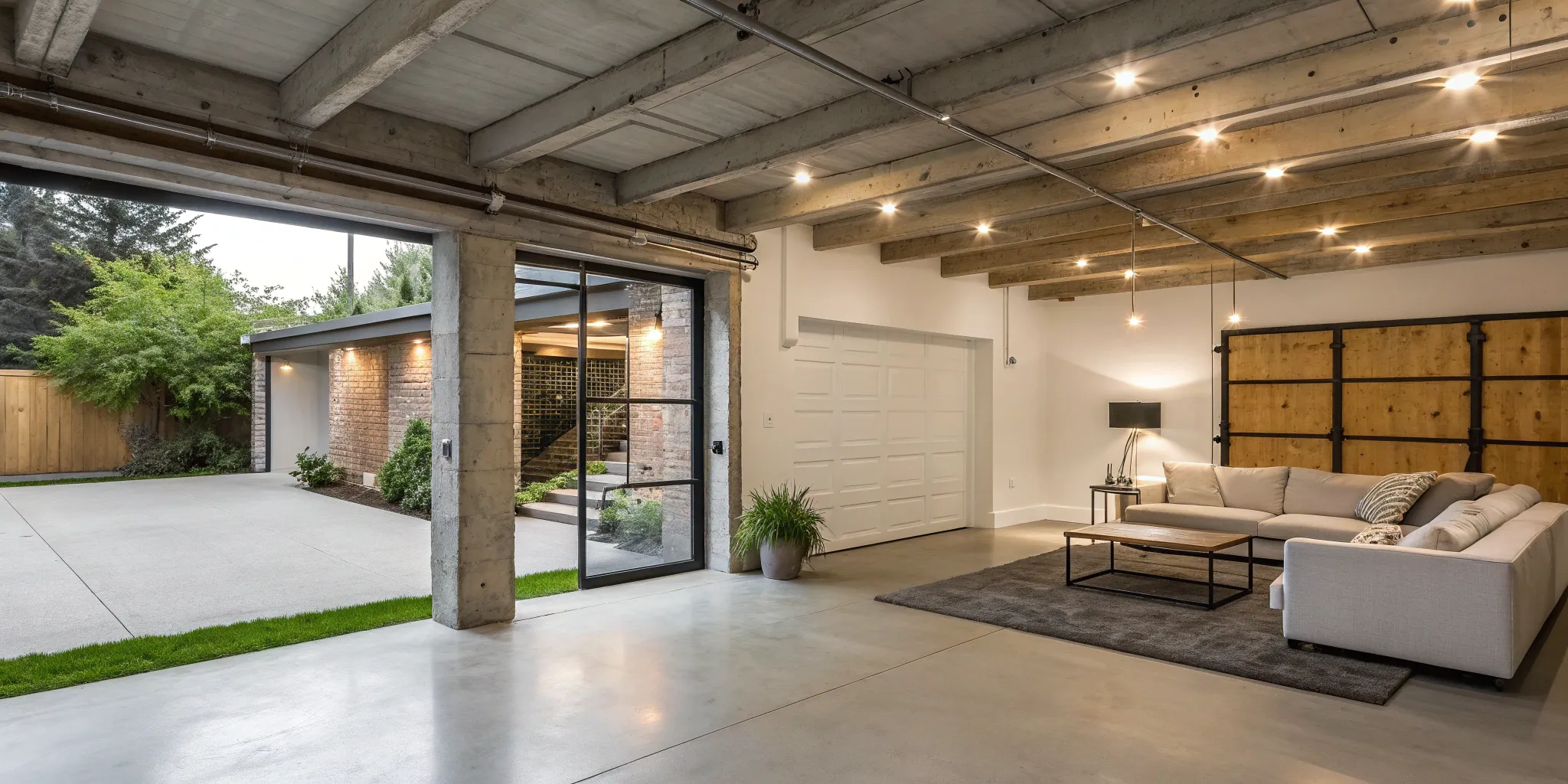
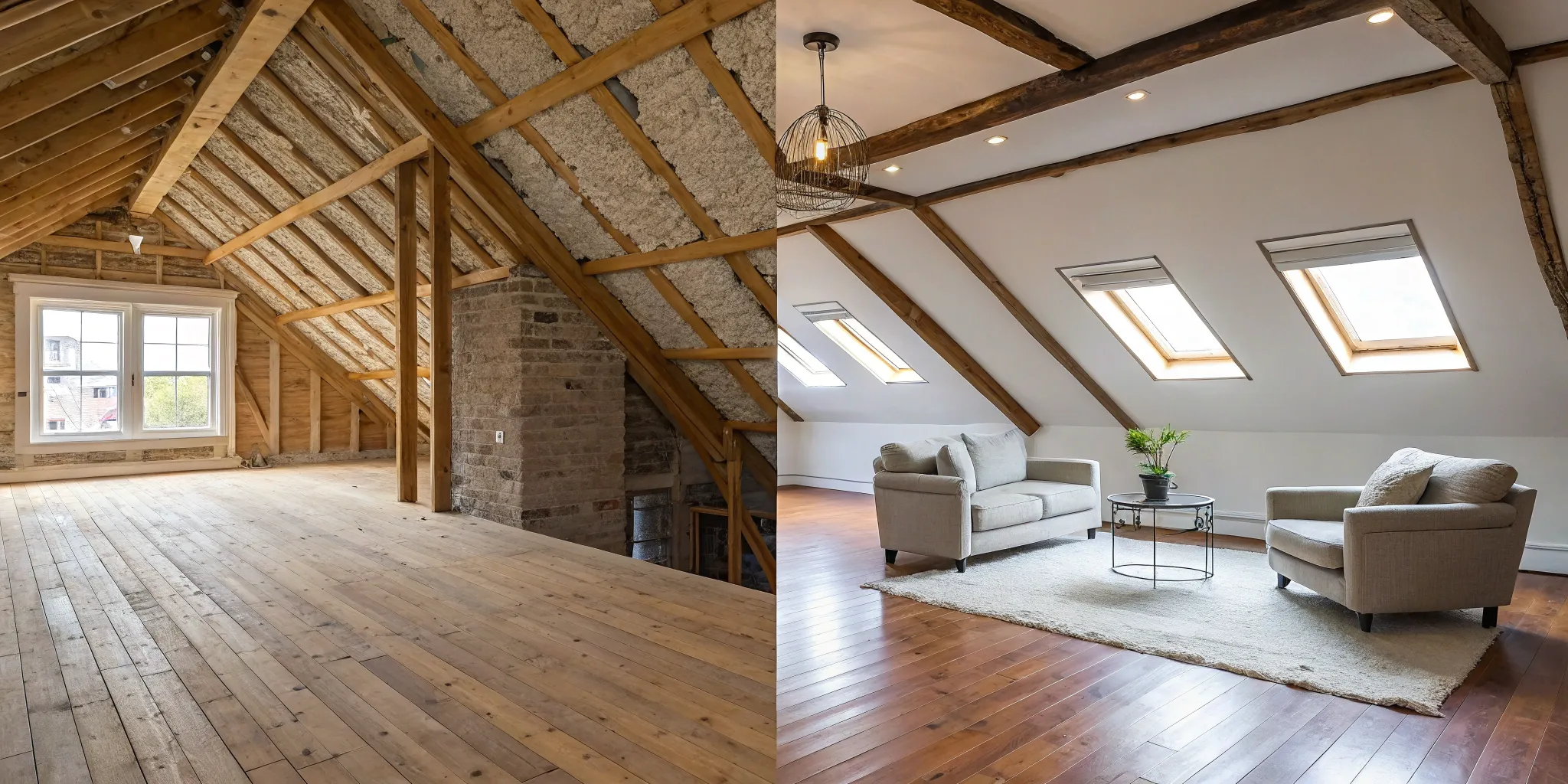
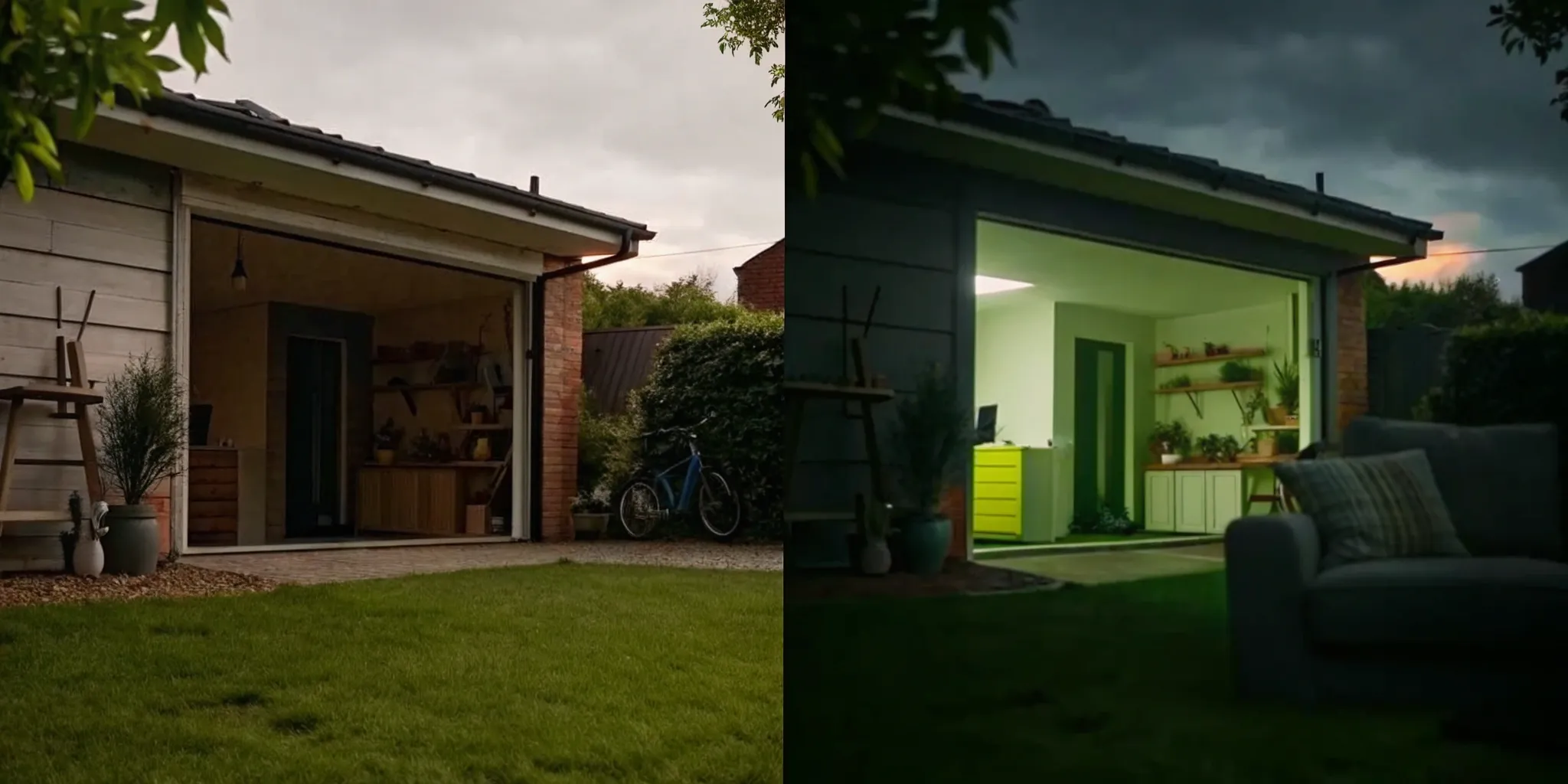
Do I still need a permit if I'm just converting an existing space, like a garage or attic? Almost certainly, yes. Even though you aren't changing your home's footprint, converting a space like a garage into a living area involves significant changes. You'll likely be adding insulation, drywall, new electrical wiring, and possibly plumbing. These modifications fall under the scope of building codes to ensure the new room is safe, properly ventilated, and has adequate emergency exits. Your local building department will want to review the plans to confirm the conversion meets all the requirements for a habitable space.

























.png)










.png)