Your Guide to the Average Cost of a Tile Shower Remodel
Get the facts on the average cost to remodel bathroom with tile shower, plus tips on budgeting, material choices, and how to avoid common renovation mistakes.
|
December 11, 2025
In this article:
A tile shower remodel is so much more than just the tile you see. While the beautiful materials get all the attention, a huge portion of your budget goes toward the critical work happening behind the walls. Skilled labor, proper waterproofing, and potential plumbing upgrades are the unsung heroes of a long-lasting, leak-free shower. Understanding the average cost to remodel a bathroom with a tile shower means looking at the complete picture. This guide will pull back the curtain on all the expenses, breaking down how much you should budget for materials versus labor and highlighting the essential, non-negotiable steps that protect your home and your investment for years to come.
Key Takeaways
- Focus on the Big Picture, Not Just the Tile Price: Your final cost is a mix of materials and skilled labor, which can account for over a third of your budget. The complexity of the job—like moving plumbing or laying intricate patterns—has a bigger impact on the price than the tile itself.
- Make a Contingency Fund Non-Negotiable: Set aside an extra 15-20% of your total budget for surprises. This is your project's safety net for handling unexpected issues like hidden water damage or mandatory code upgrades without derailing your plans.
- Save Strategically Without Sacrificing Style: The single most effective way to lower your bill is to keep your existing plumbing layout. You can also save significantly by choosing beautiful and durable materials like ceramic or porcelain over more expensive natural stone.
How Much Does a Tile Shower Bathroom Remodel Really Cost?
Let's get straight to the point, because it's the number one question on every homeowner's mind: What's the bottom line? When you're dreaming of a new tile shower, understanding the potential cost is the first step to making it a reality.
On average, a full shower remodel costs about $7,195. Of course, this is just a starting point. A more basic project might land closer to $2,895, while a high-end remodel with premium materials can easily surpass $11,495. This average figure typically covers the essentials: the shower itself, wall and floor tiles, proper ventilation, waterproofing (which is non-negotiable), removal of your old shower, and shiny new fixtures.
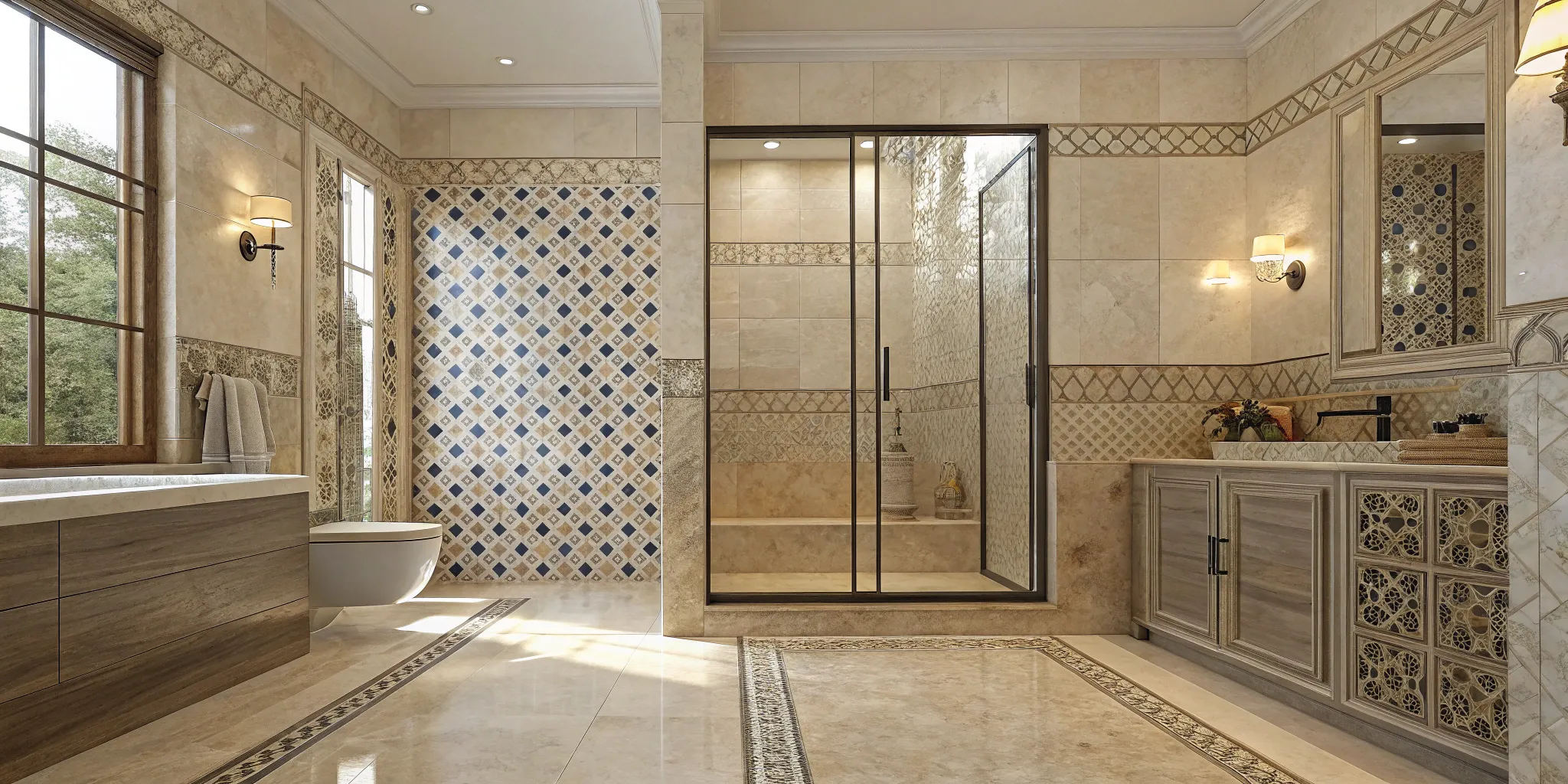
If you have your heart set on a walk-in tile shower, the budget can shift. A simple design using standard materials usually falls between $6,000 and $10,000. For a mid-range project with upgraded tile and fixtures, you can expect to spend between $8,000 and $13,000. If you’re planning a luxury spa-like retreat with custom features, the cost can climb to $13,000 to $20,000 or more.
It's easy to focus on the beautiful tiles and fixtures, but labor is a huge piece of the puzzle. Installing a single fixture might cost between $140 and $241, but the labor for the entire shower enclosure installation is much more significant, typically ranging from $2,260 to $2,740. This is where having a customized plan from the start helps you see exactly where your money is going. Bathrooms may be small, but the intricate work involved—from plumbing to precise tile setting—makes them one of the most complex rooms to renovate.
What Factors Drive Your Remodel's Final Price?
When you start dreaming up your new tile shower, it’s easy to get swept up in tile samples and shiny new fixtures. But to create a realistic budget, you need to understand all the components that contribute to the final price tag. A tile shower remodel isn’t a one-size-fits-all project; the total cost is a blend of your bathroom’s specific needs, your design choices, and the labor required to bring it all to life. Think of it less as a single price and more as a collection of individual costs that add up.
From the square footage of your space to the type of tile you fall in love with, every decision has a financial impact. Even factors you can’t see, like the condition of the plumbing behind your walls, play a major role. Understanding these variables from the start helps you plan effectively and avoid surprises down the road. Having a clear picture of where your money is going allows you to make informed decisions, splurge where it matters most to you, and save where it doesn't. Let’s break down the key factors that will shape the budget for your shower remodel.
Bathroom Size and Layout
It might seem obvious, but the bigger your shower, the more it will cost. More space means more tile, more backer board, more waterproofing materials, and more hours of labor to put it all together. A simple, small shower stall will naturally be more budget-friendly than a spacious, spa-like walk-in. If you’re planning to change the existing layout—like moving the shower to a different wall or expanding its footprint—expect costs to rise. Relocating plumbing and drains is a complex job that adds significant labor and material expenses to your project.
Tile Material and Quality
The tile you choose is one of the biggest variables in your budget. The options are vast, with prices that can range from just a few dollars per square foot to well over $30. For example, classic ceramic or porcelain tiles are often the most affordable, typically running between $3 and $7 per square foot. On the other end of the spectrum, high-end materials like natural stone, such as marble or travertine, can easily cost $15 to $25 per square foot or more. Your choice will directly influence the material costs for your walk-in shower remodel.
Fixtures and Hardware
The fixtures are like the jewelry of your shower—they provide the finishing touch and can have a surprisingly large impact on your budget. A basic, functional showerhead might only cost you $25, but a high-end rainfall system with multiple body jets can run into the thousands. The same goes for valve controls, drain covers, and any built-in shelving or benches. Features like a custom glass door, heated floors, or a steam system will also add to the final bill, so it’s important to decide which of these upgrades are must-haves and which are nice-to-haves.
Labor and Installation Complexity
Don't underestimate the cost of skilled labor, which typically accounts for a large portion of your total budget—often around 36%. The complexity of your design plays a huge role here. Laying large, simple tiles in a basic pattern is much faster and therefore less expensive than installing a detailed mosaic or a tricky herringbone pattern. The more cuts, corners, and custom niches your design includes, the more time and skill it requires from your installer. This is why it’s so important to get detailed quotes from vetted professionals who can accurately estimate the hours required for your specific project.
Existing Plumbing and Electrical
What’s hiding behind your current walls can hold some of the biggest budget surprises. If you’re converting a bathtub into a shower, you’ll likely need to upgrade the plumbing to meet modern building codes, such as increasing the drain pipe size. In older homes, this can be a significant undertaking, potentially costing between $500 and $2,000. Any issues like old, corroded pipes or hidden water damage will also need to be addressed before new tile can be installed. Similarly, if you’re adding new lighting or a ventilation fan, you’ll need to budget for an electrician’s time.
Exploring Tile Shower Types and Their Costs
The type of shower you choose is one of the biggest decisions you'll make in your bathroom remodel, and it has a huge impact on your budget. Whether you're dreaming of a spacious, spa-like walk-in shower or need a practical tub combo for a busy family bathroom, understanding the typical costs can help you set a realistic budget from the start. The final price tag isn't just about the shower unit itself; it's a combination of size, the tile you select, the fixtures you love, and the labor required to bring it all together.
The numbers we'll explore are based on common project scopes, but remember that every home is different. Factors like moving plumbing lines or discovering unexpected issues behind the walls can alter your final costs. Think of these figures as a solid starting point for your planning. They represent typical ranges that can help you frame your initial conversations with contractors. For a precise estimate tailored to your specific home, layout, and vision, working with an expert to create a customized plan is the most reliable way to understand your total investment. Let's break down the most common shower types to see how their costs compare and what you get for your money.
Walk-In Showers
Walk-in showers are a favorite for a reason. They offer a clean, modern look and an open, accessible design that can make any bathroom feel more spacious. Because they don't have a curb to step over, they're also a great choice for aging-in-place designs. For a standard walk-in shower, you can expect the cost to range from $3,170 to $9,220, with the average project landing around $6,195. If you’re envisioning a larger, more luxurious setup with high-end tile and multiple showerheads, the price can easily climb above $12,000. The wide range reflects the vast choices in materials and custom features like built-in benches or niches.
Shower-Tub Combos
A shower-tub combo is the ultimate space-saver, offering the best of both worlds without requiring a massive footprint. It’s a practical and popular choice, especially for homes with only one full bathroom. Remodeling a standard shower-tub combo typically costs between $2,990 and $8,150, with an average price of about $5,570. This includes tiling the surround and installing a new tub and fixtures. If you're looking for a smart way to save, consider a high-quality shower curtain instead of glass doors. This simple swap can reduce your total cost by $450 to $830 without sacrificing style.
Corner and Alcove Showers
If you're working with a smaller bathroom, a corner or alcove shower can be a brilliant solution. These designs make the most of limited square footage by tucking neatly into an existing nook or corner. An alcove shower is enclosed by three walls, while a corner shower fits into, well, a corner. The cost for these space-efficient showers generally ranges from $2,895 to $7,955. The final price depends on the size of the unit, the type of tile you choose, and whether you opt for a framed or frameless glass door. They prove you don’t need a huge bathroom to have a beautiful, functional shower.
Custom Shower Designs
For a shower that is uniquely yours, a custom design is the way to go. This option allows you to personalize every detail, from a unique tile mosaic to a built-in steam system or multiple body sprays. Because they are built to your exact specifications, custom showers have the widest cost range. You can expect prices to start around $7,000 and go up to $16,000 or more for complex projects. The main cost drivers are significant plumbing changes, luxury materials like natural stone, and high-end features like frameless glass enclosures. This is where having expert guidance becomes invaluable to ensure your vision is executed perfectly and within budget.
Where Does the Money Go? A Look at Material and Labor Costs
When you look at the total estimate for your shower remodel, it can be hard to see exactly where every dollar is going. Generally, the costs break down into two main categories: materials (the physical items like tile, grout, and fixtures) and labor (the skilled work required to put it all together). On average, you can expect about 64% of your budget to go toward materials, with the other 36% covering labor. Understanding this split is the first step to building a realistic budget and making smart decisions about your project. Let's take a closer look at the key components that make up your total cost.
Tile Costs by Material
The tile you choose is one of the biggest variables in your shower remodel budget. There’s a huge range of options, and the price can differ dramatically from one material to the next. For a classic and budget-friendly choice, ceramic tiles typically run from $3 to $7 per square foot. If you’re aiming for a more luxurious feel, high-end materials like marble can cost anywhere from $15 to $25 per square foot. Exploring different bathroom tile trends can help you find a style you love that also aligns with what you’re prepared to spend.
Labor for Installation and Waterproofing
Skilled labor is a critical investment for a long-lasting and beautiful shower. Installation costs typically range from $50 to $100 per hour, and this rate can increase for more complex designs, like intricate mosaic patterns or large-format tiles that require special handling. A significant portion of this labor cost goes toward proper waterproofing—a non-negotiable step that protects your home from leaks and water damage. While it might be tempting to cut corners here, hiring an experienced professional ensures the job is done right, saving you from much more expensive repairs in the future. A good shower remodel cost calculator will always factor in this essential work.
Costs for Plumbing and Electrical Work
Don’t forget to budget for the work that happens behind the walls. If you live in an older home, you may need to update the plumbing to support your new shower, which can cost between $500 and $2,000. A common and often overlooked expense comes up when you convert a tub into a shower. Building codes often require upgrading the drain pipe from 1.5 inches to 2 inches to handle the water flow, which adds to your plumbing costs. Planning for these potential updates from the beginning helps prevent budget surprises. This is where having a dedicated project advisor can be invaluable for anticipating needs specific to your home.
Budgeting for Tile: What to Expect for Different Materials
The tile you choose is one of the biggest decisions you'll make for your shower remodel, impacting both the final look and your budget. From classic, budget-friendly options to luxurious natural stone, the cost of materials can vary significantly. Understanding these differences is key to creating a realistic budget that aligns with your vision. Let's break down the most common tile types and what you can expect to pay for each. This will help you balance your aesthetic goals with your financial plan, ensuring you select a material that you'll love for years to come without any surprise expenses.
Ceramic and Porcelain
If you're looking for a durable, versatile, and budget-friendly option, ceramic and porcelain tiles are fantastic choices. They are the workhorses of the bathroom world for a reason. You can find them in a massive range of colors, shapes, and patterns, making it easy to match any design style. Porcelain is a bit denser and less porous than ceramic, making it slightly more durable and water-resistant, but both are excellent for showers. Expect to pay between $3 and $7 per square foot for materials, making this one of the most cost-effective tile options available.
Natural Stone
For a touch of luxury and a truly one-of-a-kind look, natural stone is unmatched. Materials like marble, slate, and travertine bring organic beauty and texture into your shower, instantly elevating the space. Each tile is unique, with its own veining and color variations. This high-end aesthetic comes with a higher price tag, typically ranging from $15 to $25 per square foot. Keep in mind that natural stone is porous and requires regular sealing to prevent staining and water damage, so you'll need to factor in the long-term maintenance for your stone tile as well.
Glass and Mosaic Tiles
Glass and mosaic tiles are perfect for creating a show-stopping focal point. Whether you use them for an accent wall, a decorative niche, or the entire shower, their reflective quality can make your bathroom feel brighter and more spacious. The design possibilities are nearly endless, from simple subway patterns to intricate, custom murals. The cost for these tiles varies widely based on the complexity and uniqueness of the design, but they generally fall into the mid-to-high price range. Because installation can be more detailed, labor costs may also be higher, so be sure to discuss this with your contractor upfront.
Large Format and Designer Tiles
A growing trend in modern bathroom design, large format tiles offer a sleek, contemporary look with fewer grout lines to clean. These oversized tiles can make a small shower feel more expansive and create a seamless, high-end finish. Designer tiles, which include unique shapes, textures, and handcrafted varieties, also fall into this premium category. The cost for large format and designer tiles can vary significantly depending on the material and brand, but they are generally a more expensive option. Their size and weight can also make installation more challenging, potentially increasing labor costs.
Planning for the Unexpected: Hidden Remodel Costs
Even the most meticulously planned remodel can have a few surprises. When you start opening up walls and floors, you might uncover issues that need to be addressed before your beautiful new tile can go in. This is precisely why a contingency fund—typically 15% to 20% of your total budget—is so important. It gives you a financial cushion to handle these unexpected costs without derailing your project. Think of it as your project’s safety net.
Working with an experienced team can help you anticipate some of these potential issues during the planning phase. A seasoned contractor often knows what to look for based on your home’s age and location. At Realm, we connect you with vetted professionals who can help you create a more accurate initial budget, but it’s always wise to be prepared for the unknown. Let’s walk through some of the most common hidden costs you might encounter.
Water Damage and Mold
Bathrooms are wet environments, so it’s not uncommon to find signs of water damage or mold once demolition begins, especially in older homes. A slow, hidden leak from an old pipe or failed waterproofing behind your existing shower tile can lead to rotten wood and mold growth. These problems must be fixed properly before any new work can start, which adds to your material and labor costs. Addressing these issues immediately is crucial for the health of your home and the longevity of your new shower.
Plumbing Upgrades and Code Compliance
Your home’s plumbing might not be up to current standards, which can trigger necessary and non-negotiable upgrades. For example, local building codes often require a larger drain pipe for a walk-in shower than for a bathtub. If you’re converting a tub to a shower, your contractor will need to replace the existing 1.5-inch drain with a 2-inch one. While this ensures proper drainage and prevents future problems, it’s an additional plumbing expense that you’ll need to factor into your budget.
Structural or Foundation Repairs
Sometimes, demolition reveals deeper structural problems. You might discover that floor joists are damaged, a wall isn’t structurally sound, or the subfloor is uneven and needs to be leveled. These issues are more common in older houses but can happen anywhere. While uncovering a structural problem is never fun, fixing it is essential for a stable and safe installation of your new shower. An experienced contractor can identify these problems early and recommend the most effective solution to keep your project on solid ground.
Permits and Inspection Fees
Most significant remodels, including a tile shower replacement that involves plumbing or electrical changes, require a permit from your local building department. Permits ensure the work is done safely and meets all local regulations. The cost for permits can range from a hundred to several hundred dollars, depending on your project's scope and location. Your contractor typically handles the process of obtaining the right permits, but the fee itself is a line item you should anticipate in your overall budget.
How Your Tile Choice Affects Installation Costs
It’s easy to get swept up in the visual side of choosing tile—the colors, patterns, and textures are the fun part, after all. But the material you select has a ripple effect on your total project cost that goes far beyond the price per square foot. From the complexity of the installation to the necessary prep work and even how much time you’ll spend cleaning it years from now, your tile choice is a major budget driver. Understanding these connections ahead of time helps you pick a tile you love that also aligns with what you’re prepared to spend, both now and in the future.
How Tile Type Affects Installation
The material cost of tile varies dramatically. You might find simple ceramic tiles for under $5 per square foot, while high-end natural stone or intricate mosaic tiles can easily climb past $30 per square foot. This price difference alone can add thousands to your budget. Beyond the sticker price, consider the labor involved. Small, complex mosaic tiles or tiles laid in a herringbone pattern require more time and precision from your installer, which increases labor costs. Large-format tiles, while seemingly simpler, often require a perfectly level surface and specialized handling, which can also affect the final price.
Waterproofing and Drainage Needs
Proper waterproofing is the most critical part of a shower remodel, and your project’s specific needs can influence the cost. For example, if you’re converting an old bathtub into a walk-in shower, your contractor will likely need to upgrade the drain pipe from 1.5 inches to a 2-inch pipe to meet modern building codes. This ensures proper drainage and prevents future issues. While it’s a necessary and non-negotiable step for a lasting remodel, it’s an installation cost that’s easy to overlook. Working with vetted professionals ensures these crucial details are handled correctly from the start.
Long-Term Maintenance and Durability
Your tile choice also impacts the long-term cost of ownership. While beautiful, traditional tile requires grout lines that need regular cleaning and occasional sealing to prevent mildew and staining. If low maintenance is a priority, you might consider solid-surface acrylic panels. These panels are more affordable, typically costing between $8 and $12 per square foot, and have no grout lines, making them incredibly easy to clean. This choice represents a trade-off: you get a different aesthetic, but you save on both upfront material costs and future cleaning time and effort.
Common Budgeting Mistakes to Avoid
Creating a budget for your shower remodel can feel like trying to hit a moving target. It’s one of the trickiest parts of the process, but getting it right from the start saves you so much stress down the line. Even with the best intentions, a few common slip-ups can derail your project’s finances.
The good news is that these mistakes are entirely avoidable when you know what to look for. Think of it like this: a successful remodel isn’t just about picking the perfect tile; it’s about building a financial plan that can handle the realities of renovation. Let’s walk through the most common budgeting blunders I see homeowners make and talk about how you can steer clear of them. By planning ahead for these potential pitfalls, you can keep your project on track and ensure your vision becomes a reality without any surprise bills.
Underestimating the Total Cost
It’s a common line of thinking: a bathroom is a small space, so its remodel should have a small price tag. Unfortunately, that’s one of the biggest misconceptions in renovating. Bathrooms are complex little rooms, packed with expensive infrastructure like plumbing and electrical, plus costly materials and specialized labor. The price for stone, tile, and plumbing fixtures can add up quickly, and the expert work required for installation is a significant part of the budget. Unlike a bedroom, where you might just be dealing with paint and flooring, a shower remodel involves waterproofing, precision tile setting, and plumbing—all jobs that require a skilled professional to get right.
Forgetting a Contingency Fund
If there’s one rule in remodeling, it’s this: expect the unexpected. A contingency fund is your project’s financial safety net, and it’s not optional. This is money—typically 15% to 20% of your total project cost—that you set aside specifically for surprise issues. What kind of surprises? Think finding hidden water damage behind the old tile, discovering your plumbing isn’t up to code, or realizing the subfloor needs to be replaced. Without this buffer, an unforeseen problem can force you to make compromises on your design or, worse, halt the project altogether. Having a dedicated advisor to help you plan your project can ensure you account for these possibilities from day one.
Trying to DIY Complex Tasks
I’m all for rolling up your sleeves for a good DIY project, but a tile shower remodel involves several high-stakes tasks that are best left to the pros. While you might save on labor costs upfront, a mistake in waterproofing, plumbing, or tile installation can lead to catastrophic (and expensive) failures later on. Leaks can cause thousands in water damage, and improperly set tile can crack and fail. Remember, a huge portion of your budget goes toward labor for a reason—it’s a skill. Hiring a vetted professional ensures the job is done right the first time, protecting your investment and giving you peace of mind.
Smart Ways to Save on Your Tile Shower Remodel
A beautiful tile shower remodel doesn’t have to drain your savings. While it’s easy for costs to add up, a little strategic planning can make a huge difference in your final bill. The good news is that you can achieve a high-end look without the high-end price tag by making smart, targeted decisions.
Focusing on a few key areas—like materials, timing, and layout—can help you keep your budget in check while still creating the shower of your dreams. It’s all about knowing where to spend and where to save. With the right approach, you can get the most value out of every dollar you put into your project. Let’s walk through some of the most effective ways to save on your remodel.
Choose Your Materials Wisely
Your choice of tile and fixtures is one of the biggest factors in your total cost, but it’s also one of the easiest places to save. Shower tiles can range from just a few dollars to over $30 per square foot. By opting for classic, durable materials like ceramic or porcelain, you can get a beautiful and long-lasting finish for a fraction of the cost of high-end stone. The same goes for fixtures. You don’t need a designer brand to get a stylish and functional shower head or faucet. Many affordable options look great and are built to last, giving you a polished look without the premium price. With some expert guidance, you can find materials that fit your style and your budget.
Time Your Project for Better Rates
Did you know that the time of year you schedule your remodel can impact the price? Most homeowners plan renovations for the spring and summer, which means contractors are at their busiest. If your timeline is flexible, consider scheduling your project during the off-season, like in the fall or winter. During these slower months, contractors may have more availability and sometimes offer more competitive pricing to keep their crews busy. Planning ahead gives you a better chance of securing one of your top-choice vetted professionals at a potentially better rate.
Keep Your Existing Plumbing Layout
Here’s one of the most impactful ways to save money: work with your current plumbing layout. Moving drains, water lines, or electrical wiring is a complex job that significantly increases labor and material costs. Every wall you open up and every pipe you relocate adds more time and expense to the project. By designing your new shower within the existing footprint, you avoid these major expenses altogether. You can still create a dramatic transformation with new tile, fixtures, and a glass door, all while keeping the foundational plumbing right where it is. This single decision can save you thousands and simplify the entire renovation process.
Your Game Plan for a Successful Remodel Budget
Creating a budget isn't about limiting your creativity; it's about creating a clear roadmap for your project. A well-planned budget is the single best tool you have to ensure your remodel goes smoothly from start to finish, without any stressful financial surprises. By thinking through the costs upfront, you can make informed decisions that align your vision with your wallet. Let’s walk through the three essential steps to building a budget that sets you up for success.
Set a Realistic Budget
First things first: you need a realistic starting number. A full shower remodel typically costs around $7,200, but this can range from about $2,900 for a simple update to over $11,500 for a high-end, spa-like retreat. Where your project falls on this spectrum depends on factors like tile choice, fixtures, and labor complexity. Do some initial research on the materials and features you love, and be honest about what you can comfortably spend. This isn't about cutting corners; it's about making smart choices that give you the beautiful, functional shower you want without breaking the bank.
Build in a 20% Contingency Fund
If there’s one rule in remodeling, it’s to expect the unexpected. That’s where a contingency fund comes in. Think of it as your project’s safety net. We recommend setting aside an extra 10% to 20% of your total budget to cover these surprise problems, like discovering old, corroded pipes or minor water damage behind the walls once demolition starts. Having this buffer means a small hiccup won’t derail your entire project or force you to compromise on the finishes you really want. It’s the key to keeping your project on track and your stress levels low.
Get and Compare Multiple Contractor Quotes
You wouldn't buy the first car you test-drive, and you shouldn't hire the first contractor you talk to. It’s essential to get several quotes from different vetted professionals to compare prices and ensure you’re getting a fair deal. This process isn't just about finding the lowest bid; it's about finding the right partner. A detailed quote should break down costs for labor, materials, and permits. It also gives you a chance to assess each contractor's professionalism and communication style. Finding a team you trust is just as important as the final price tag.
Related Articles
- How to Estimate Bathroom Remodel Cost Accurately
- Bathroom Remodel Estimate Sample: A Cost Breakdown
- How Much Does A Bathroom Renovation Cost?
Frequently Asked Questions
Why does labor for a small bathroom cost so much? It’s a great question because it seems counterintuitive. The high cost isn't about the square footage, but the density of expertise required in that small space. A shower remodel involves a plumber, a tile setter, and sometimes an electrician, all working in tight quarters. Unlike painting a bedroom, this work is highly technical. Tasks like waterproofing, ensuring proper drainage slope, and precisely cutting and setting tile require specialized skills to prevent leaks and expensive water damage down the road. You're paying for the craftsmanship that ensures your beautiful new shower lasts for years.
What's the most effective way to save money without sacrificing quality? The single most impactful way to save is to keep your shower's existing plumbing layout. Moving drains and water supply lines is a complex and expensive part of a remodel. By designing your new shower within the current footprint, you avoid a huge chunk of labor costs. After that, focus on choosing cost-effective materials. Classic ceramic or porcelain tiles offer incredible durability and style for a fraction of the price of natural stone, allowing you to get a high-end look on a more practical budget.
Can I save money by buying the materials myself? While it might seem like a good way to control costs, it can often create more headaches than savings. Contractors frequently get trade discounts on materials that aren't available to the public. More importantly, when you buy your own materials, you become responsible for everything: calculating the correct quantities (including overages for cuts and mistakes), coordinating delivery, and ensuring everything arrives on time and undamaged. If you order the wrong item or not enough of it, the project can come to a halt, costing you more in labor delays.
How can I avoid surprise costs during the remodel? The best way to handle surprise costs is to plan for them from the start. This is where a contingency fund becomes your best friend. Setting aside an extra 15% to 20% of your total budget gives you a financial cushion to deal with the unknowns that can pop up when you open up walls, like finding old plumbing that needs updating or minor water damage. It’s not a sign of a poorly planned project; it’s the signature of a smart, well-prepared homeowner.
How do I get a truly accurate cost estimate for my specific bathroom? Online articles and cost calculators are fantastic for getting a general idea, but they can’t account for the unique details of your home. The only way to get a truly reliable number is to have a professional create a detailed project scope based on your actual space and material choices. This involves an in-depth conversation about your goals and a thorough look at the existing conditions of your bathroom to anticipate any specific challenges. This tailored approach is what turns a ballpark guess into a dependable budget.













.png)




.avif)